


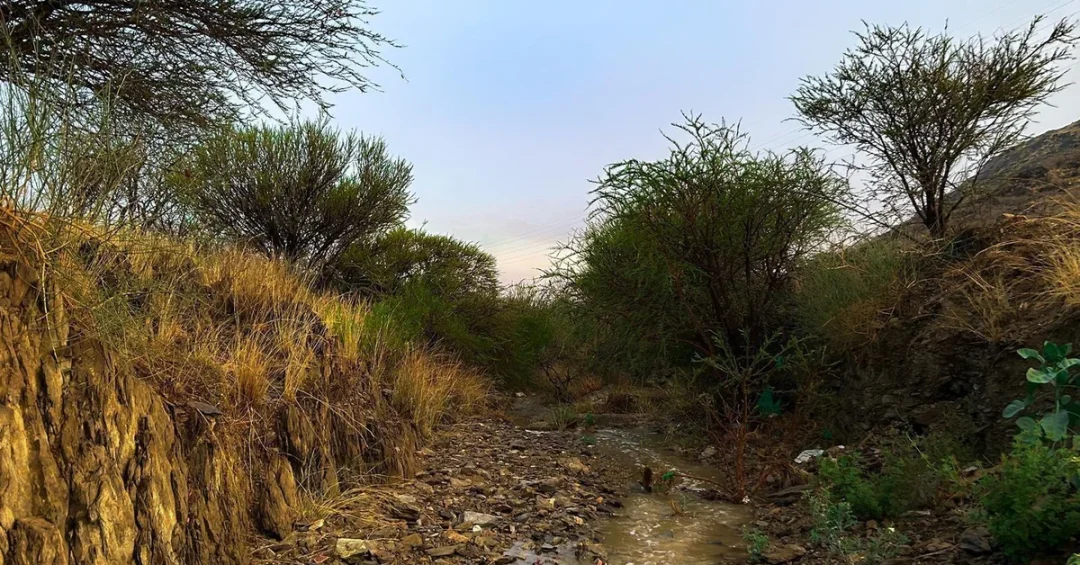
Light to moderate scattered rainfall accompanied by thunderstorms fell across Saudi Arabia’s Al-Baha Region on September 7, 2026, affecting Al-Baha city and its outskirts, several governorates, affiliated centers, and public parks, according to the Saudi Press Agency (SPA). The official report, released on September 8, 2026, confirmed that the weather event touched multiple parts of the mountainous southwestern region, bringing welcome moisture to an area known for its agricultural terraces and scenic landscapes.
Context and Background
Al-Baha Region sits in southwestern Saudi Arabia, a mountainous area known for its cooler temperatures, terraces, and green landscapes. The region includes Al-Baha city and several governorates and affiliated centers. Rainfall is an important natural event for its farms, parks, and communities, and SPA regularly publishes official weather bulletins.
The Saudi Press Agency, the Kingdom’s official news agency, issued the report on September 8, 2026, stating that the rain occurred the previous day. The bulletin was transmitted at 20:55 local time, 17:55 GMT.
Al-Baha is one of the Kingdom’s most distinctive regions, with highlands that rise above the Red Sea coastal plain. Its mild summer weather and green terraces have made it a popular destination for domestic tourism. The region’s parks are important community spaces and seasonal attractions.
Official weather reports from SPA help residents, farmers, and visitors plan accordingly. The bulletin issued on this occasion followed standard practice by describing the timing, intensity, and geographic spread of the rainfall.
Key Details
The official report described light to moderate scattered rain accompanied by thunderstorms. It said rainfall affected parts of Al-Baha city and its outskirts, as well as several governorates, affiliated centers and parks across the region.
No casualties or damage were mentioned in the SPA bulletin. The description “scattered” indicates that rain fell in some areas while others remained dry, a common pattern in mountainous terrain. The accompanying thunderstorms point to active atmospheric conditions, but the report did not issue any emergency notices.
The SPA report covered rainfall in parts of Al-Baha city and its outskirts. It also reached several governorates, affiliated centers, and parks. The term “governorates” refers to the region’s administrative divisions, each with local services and communities.
Thunderstorms accompanied the rain, which can produce lightning and short bursts of heavier precipitation. However, the official bulletin described the overall event as light to moderate, suggesting limited impact. No warnings or damage reports were included.
Implications and Impact
For Al-Baha’s residents and farmers, the rainfall brings moisture to soil and supports groundwater recharge. The region’s agricultural terraces, which produce fruits, grains, and other crops, benefit from seasonal rain. Public parks and natural sites also gain from the improved conditions, which can support domestic tourism and outdoor recreation.
Internationally, the event offers a reminder of Saudi Arabia’s environmental diversity. While the Kingdom is often associated with desert landscapes, its southwestern highlands receive seasonal rainfall and sustain distinctive ecosystems. Official monitoring and reporting help residents, visitors, and authorities respond appropriately.
For the international audience, the development illustrates how Saudi Arabia’s regional climates vary. The Kingdom’s southwestern highlands can receive seasonal rain while other areas remain arid. This diversity supports agriculture, biodiversity, and tourism, and it is carefully monitored by national agencies.
Water is a strategic resource in Saudi Arabia. Rainfall that reaches wadis and dams can supplement groundwater and support local needs. The event therefore has practical value beyond its immediate weather significance.
20 Questions
Q1. What weather event occurred in Al-Baha Region?
A1. According to the Saudi Press Agency, light to moderate scattered rain fell across Al-Baha Region, accompanied by thunderstorms. The rainfall affected Al-Baha city, its outskirts, several governorates, affiliated centers and parks on September 7, 2026.
Q2. When did the rainfall occur?
A2. The Saudi Press Agency reported on September 8, 2026, that the rain fell the previous day. The official bulletin therefore places the weather event on September 7, 2026, across parts of Al-Baha Region.
Q3. Which areas were affected?
A3. The rainfall touched parts of Al-Baha city and its outskirts, as well as several governorates, affiliated centers, and parks across the region, according to the Saudi Press Agency. The report described the coverage as scattered.
Q4. What was the intensity of the rain?
A4. The Saudi Press Agency described the rainfall as light to moderate and scattered. Thunderstorms accompanied the rain, indicating atmospheric instability. The bulletin did not report severe weather warnings or widespread damage.
Q5. Which official source reported the event?
A5. The Saudi Press Agency, the Kingdom’s official news agency, released the report. Its bulletin was timestamped 20:55 local time and 17:55 GMT on September 8, 2026. SPA is a recognized Saudi news authority.
Q6. Why is rainfall significant in Al-Baha Region?
A6. Al-Baha is a mountainous agricultural region in southwestern Saudi Arabia. Rainfall supports its terraces, crops, groundwater recharge, and seasonal parks. It also enhances the region’s appeal as a domestic tourism destination known for cooler weather and scenery.
Q7. Did the report mention any casualties or damage?
A7. The Saudi Press Agency report did not mention casualties, property damage, or disruptions. It focused on the rainfall’s distribution across Al-Baha city, governorates, centers, and parks. Official assessments would be issued separately if needed.
Q8. How does this rainfall fit Saudi Arabia’s climate patterns?
A8. Saudi Arabia experiences seasonal rainfall in various regions, especially the southwest highlands. Al-Baha’s elevation makes it cooler and more receptive to rain than many parts of the Kingdom. Such events are part of natural weather variability.
Q9. What are governorates in Al-Baha Region?
A9. Al-Baha Region includes several governorates and affiliated centers that serve surrounding communities. The Saudi Press Agency reported that the rainfall reached several of these areas without specifying each one. They form the region’s administrative and service network.
Q10. How might the rain affect local agriculture?
A10. The moisture can benefit rain-fed agriculture, including fruit trees, grains, and traditional terraces. It supports soil hydration and groundwater replenishment. Saudi authorities promote sustainable agricultural practices under Vision 2030 and environmental programs.
Q11. What role does Al-Baha play in Saudi tourism?
A11. Al-Baha is known for its mountains, forests, parks, and cultural heritage. It attracts domestic visitors seeking cooler weather and scenic landscapes. Rainfall can enhance these natural attractions and support local hospitality and recreation businesses.
Q12. What is the Saudi Press Agency?
A12. The Saudi Press Agency is the official national news agency of the Kingdom of Saudi Arabia. It publishes government and official news, including weather bulletins, ministerial statements, and national developments. Its reports are widely used by media outlets.
Q13. How does Saudi Arabia monitor weather?
A13. The National Center for Meteorology monitors weather conditions across the Kingdom. It issues forecasts and warnings through official channels. The Saudi Press Agency often relays official weather information to the public and media.
Q14. What does “scattered rain” mean?
A14. Scattered rain means precipitation occurs in some areas while others remain dry. It is not continuous or uniform. The Saudi Press Agency used this term to describe the distribution of rainfall across Al-Baha Region.
Q15. What does “light to moderate” rainfall indicate?
A15. Light to moderate rainfall indicates manageable intensity, generally without severe flooding. It can still bring beneficial moisture. The Saudi Press Agency used this classification in its official bulletin about Al-Baha Region.
Q16. How does rainfall support Saudi water resources?
A16. Rainfall contributes to groundwater recharge, wadi flow, and surface water collection. In regions like Al-Baha, it supports wells, springs, and agricultural use. Saudi Arabia invests in dams and water management to capture such benefits.
Q17. What is the significance of thunderstorms in the report?
A17. Thunderstorms indicate unstable atmospheric conditions that can produce lightning and brief heavy showers. The Saudi Press Agency noted them alongside the rain. The report did not indicate any resulting emergencies or damage.
Q18. How can residents stay informed about weather?
A18. Residents can follow the National Center for Meteorology and official Saudi Press Agency bulletins. These sources provide timely updates and safety guidance. Official channels remain the most reliable for weather information in the Kingdom.
Q19. How does this event reflect Saudi Arabia’s environmental diversity?
A19. Al-Baha’s highlands, rain, and greenery contrast with the Kingdom’s desert landscapes. This diversity supports tourism, agriculture, and environmental awareness. Saudi Vision 2030 promotes quality of life and sustainable natural resource management.
Q20. What is the forward-looking significance of the rainfall?
A20. The rainfall supports Al-Baha’s environment, agriculture, and tourism appeal, aligning with Saudi Arabia’s quality-of-life goals. It also highlights the importance of official monitoring and sustainable development as the Kingdom advances Vision 2030.
Vision 2030 Alignment
The rainfall aligns with Saudi Arabia’s Vision 2030 goals for quality of life, environmental sustainability, and tourism development. By supporting Al-Baha’s natural assets, agriculture, and visitor appeal, such weather events complement national efforts to diversify the economy and promote domestic tourism.
Under Vision 2030, Saudi Arabia aims to enhance quality of life, expand tourism, and promote environmental sustainability. Al-Baha’s natural beauty and agricultural heritage fit these objectives. Events such as seasonal rainfall draw attention to the region’s potential as a year-round destination and reinforce the importance of responsible resource management.
The Kingdom continues to invest in meteorological services, water infrastructure, and regional development. As official channels report, these efforts help communities benefit from natural events while preparing for changing weather conditions. Al-Baha’s rainfall is a small but meaningful part of that broader national progress.
Reader Feedback
We value your thoughts. Please share your feedback on this article.
Your feedback helps us improve our coverage.