


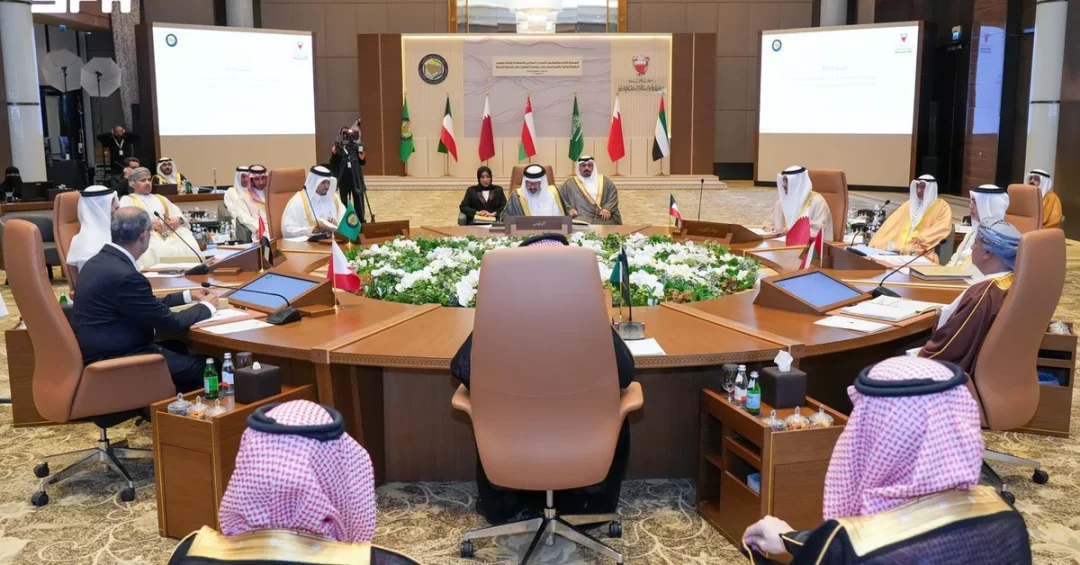
President of the Saudi General Court of Audit (GCA) Dr. Hussam Alangari participated in the 23rd Meeting of Heads of Supreme Audit Institutions of the Gulf Cooperation Council (GCC) countries, held in Manama, Bahrain, on September 8, 2026. The gathering brought together leaders of Gulf supreme audit institutions to strengthen cooperation, review training programs, and discuss audit research initiatives, according to the Saudi Press Agency.
Context and Background
The General Court of Audit is Saudi Arabia’s supreme audit institution, responsible for enhancing transparency, accountability, and effective public financial management. Under the leadership of Dr. Hussam Alangari, the GCA has advanced institutional cooperation with Gulf peers, reflecting the Kingdom’s commitment to good governance and regional integration. The annual meeting of GCC heads of supreme audit institutions provides a platform to align audit methodologies, share expertise, and improve oversight of public resources across member states. Saudi Arabia’s active participation underscores its role in fostering collective Gulf action on governance standards.
Key Details
The meeting addressed topics related to strengthening cooperation and partnership among the Supreme Audit Institutions of GCC states. Participants reviewed the General Secretariat’s report on training programs implemented for staff of Gulf audit institutions during 2025 and 2026. These programs aim to develop and qualify auditors in peer Gulf institutions. The meeting also reviewed findings from a study on recommendations contained in winning research papers of the sixth edition of the GCC Competition for Research and Studies in the Field of Audit and Accounting. Participants discussed topics proposed for the seventh edition and addressed other agenda items, taking necessary actions.
As part of the proceedings, Ibrahim Alnasser, Executive Director of the Financial Performance, Education, and Human Resources Group at the GCA, was honored for excellence among staff of GCC supreme audit institutions. The recognition forms part of an annual initiative by Gulf audit institutions to celebrate individuals who excel in auditing work. Alnasser expressed pride in receiving the honor, describing it as a significant motivation for employees of peer Gulf institutions to work harder toward their objectives. He also appreciated the strong support he and his GCA colleagues receive from the President of the GCA, enabling audits with high professionalism and competence.
Implications and Impact
The outcomes of the 23rd meeting carry important implications for regional financial oversight and public sector governance. By harmonizing training and research efforts, GCC supreme audit institutions can improve audit quality, share best practices, and strengthen safeguards for public funds. Such cooperation supports investor confidence and economic stability across the Gulf. It also reinforces the role of Supreme Audit Institutions in promoting transparency and accountability, which are essential for sustainable development. Saudi Arabia’s engagement demonstrates its leadership in regional governance and its commitment to international standards.
Vision 2030 Alignment
Saudi Arabia’s participation aligns with Vision 2030, which prioritizes transparent, accountable, and efficient government. The GCA’s work supports the Kingdom’s goals of enhancing public financial management and combating corruption. By collaborating with GCC partners, the GCA contributes to a regional ecosystem of strong audit institutions that can benchmark performance and adopt modern practices. This engagement also strengthens Saudi Arabia’s global role as a responsible actor in governance, reinforcing the Vision 2030 objective of a vibrant society and a thriving economy built on trust and institutional excellence.
20 Questions
Q1. What was the 23rd Meeting of Heads of Supreme Audit Institutions of GCC countries?
A1. It was a gathering of leaders from Gulf supreme audit institutions held in Manama, Bahrain, on September 8, 2026. The meeting focused on cooperation, training, research, and audit development among GCC member states.
Q2. Where and when did the meeting take place?
A2. The meeting took place in the Kingdom of Bahrain on September 8, 2026. It was hosted in Manama and brought together heads of supreme audit institutions from across the Gulf Cooperation Council member states.
Q3. Who represented Saudi Arabia at the meeting?
A3. President of the General Court of Audit Dr. Hussam Alangari represented Saudi Arabia. He participated in the discussions on strengthening cooperation, reviewing training programs, and advancing audit research among Gulf supreme audit institutions.
Q4. What is the General Court of Audit?
A4. The General Court of Audit is Saudi Arabia’s supreme audit institution. It works to enhance transparency, accountability, and effective public financial management, supporting national governance objectives and international audit standards.
Q5. What topics did the meeting address?
A5. The meeting addressed cooperation and partnership among Gulf supreme audit institutions, training programs for auditors, research competition recommendations, proposed topics for the next competition edition, and other agenda items requiring appropriate follow-up actions.
Q6. What did the General Secretariat report cover?
A6. The report covered training programs implemented for staff of Gulf supreme audit institutions in 2025 and 2026. These initiatives aim to develop and qualify auditors in peer Gulf institutions, aligning with objectives to enhance professional capacity and audit quality.
Q7. How do training programs benefit Gulf audit institutions?
A7. Training programs strengthen auditor skills, share best practices, and improve audit methodologies across GCC states. They help institutions conduct more effective oversight of public resources, supporting transparency, accountability, and professional excellence in government financial management.
Q8. What is the GCC Competition for Research and Studies in Audit and Accounting?
A8. It is a regional competition that encourages research and studies in audit and accounting fields. It supports innovation, knowledge sharing, and professional development among Gulf supreme audit institutions and their staff.
Q9. What did participants review regarding the sixth edition?
A9. Participants reviewed findings from a study on recommendations contained in the winning research papers of the sixth edition. This review helps translate research insights into practical improvements for audit and accounting practices across GCC institutions.
Q10. What topics were proposed for the seventh edition?
A10. The meeting discussed topics proposed for the seventh edition of the GCC Competition for Research and Studies in Audit and Accounting. Specific themes were considered to guide future research and support continuous development in the audit profession.
Q11. Who was honored at the meeting?
A11. Ibrahim Alnasser, Executive Director of the Financial Performance, Education, and Human Resources Group at the General Court of Audit, was honored for excellence among staff of GCC supreme audit institutions.
Q12. What is Ibrahim Alnasser’s role at the GCA?
A12. He serves as Executive Director of the Financial Performance, Education, and Human Resources Group at the General Court of Audit. His responsibilities support institutional performance, education, and human resource development within Saudi Arabia’s supreme audit institution.
Q13. Why was Alnasser honored?
A13. He was honored for excellence in auditing work as part of an annual initiative by Gulf supreme audit institutions. The recognition celebrates individuals who demonstrate outstanding performance and contribute to their institutions’ objectives.
Q14. What did Alnasser say about the honor?
A14. Alnasser expressed pride in receiving the honor, emphasizing that it motivates employees of peer Gulf supreme audit institutions to work even harder. He also appreciated the strong support from the GCA President that enables professional and competent audits.
Q15. How does the award motivate Gulf auditors?
A15. The annual recognition highlights excellence and encourages auditors across GCC states to pursue high standards. It fosters healthy competition, boosts morale, and reinforces a culture of professionalism, accountability, and continuous improvement within supreme audit institutions.
Q16. What support did Alnasser acknowledge?
A16. Alnasser acknowledged the strong support he and his colleagues at the General Court of Audit receive from the President of the GCA. This support enables them to conduct audits with the highest levels of professionalism and competence.
Q17. Why is cooperation among GCC supreme audit institutions important?
A17. Cooperation improves audit quality, harmonizes standards, and strengthens oversight of public funds across the Gulf. It enables knowledge exchange, joint training, and research, supporting transparency, accountability, and economic stability in member states.
Q18. How does the meeting align with Saudi Vision 2030?
A18. The meeting aligns with Vision 2030 by promoting transparent, accountable, and efficient government. Saudi Arabia’s participation supports public financial management reforms, anti-corruption efforts, and international cooperation, which are central to the Kingdom’s governance and economic transformation goals.
Q19. What is Saudi Arabia’s role in regional audit cooperation?
A19. Saudi Arabia plays an active and constructive role through the General Court of Audit. The Kingdom shares expertise, supports joint training and research, and helps advance collective Gulf efforts to strengthen audit institutions and public sector governance.
Q20. What are the expected outcomes of the meeting?
A20. Expected outcomes include enhanced cooperation, improved training and research initiatives, and stronger audit practices among GCC institutions. The meeting also reaffirmed commitment to professional excellence and recognized outstanding auditors, supporting better public financial oversight across the region.
Reader Feedback
We value your thoughts. Please share your feedback on this article.
Your feedback helps us improve our coverage.