


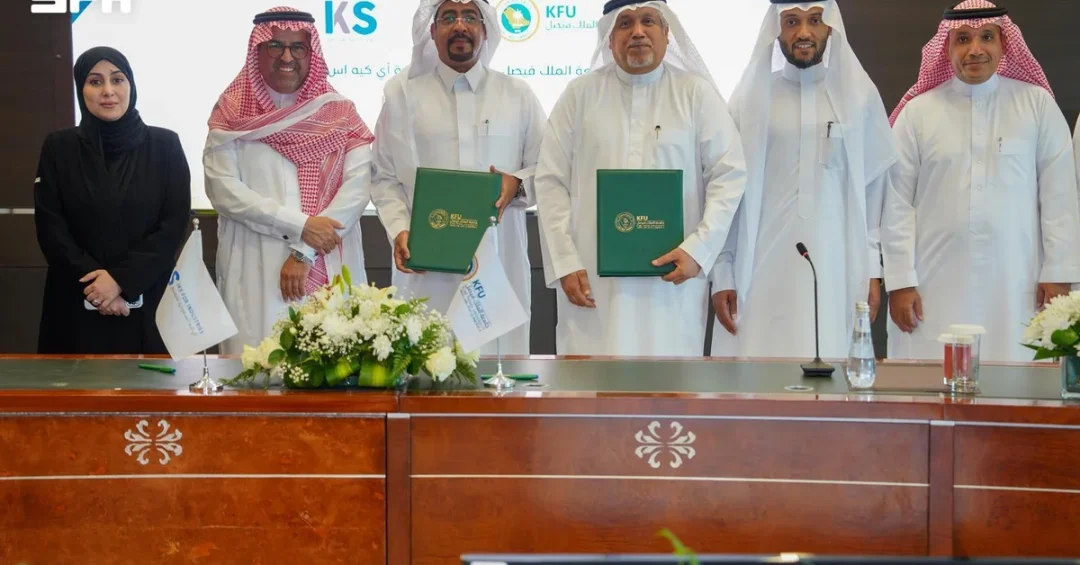
King Faisal University in Al-Ahsa has signed a cooperation agreement with a national manufacturing company to develop patents and transform them into commercial and industrial applications and projects, as announced by the Saudi Press Agency (SPA). The agreement advances the Kingdom’s drive to convert scientific research into tangible economic value, marking a step forward in the integration of academia and industry under Saudi Arabia’s national innovation agenda.
Context and Background
King Faisal University, a prominent public institution located in Al-Ahsa, has increasingly positioned itself as a hub for applied research and innovation in the Eastern Province. The new partnership, reported by SPA, reflects a broader national emphasis on knowledge transfer and the commercialization of intellectual property. Saudi Arabia has invested heavily in research and development as part of its long-term economic diversification strategy, with universities expected to play a central role in translating laboratory discoveries into market-ready products.
The agreement comes as Saudi Arabia continues to build an innovation ecosystem that connects universities, government entities, and private industry. By joining forces with a national manufacturing company, King Faisal University aims to bridge the gap between scientific research and industrial application, ensuring that patents generated within its research programs reach the marketplace.
Key Details of the Agreement
According to the SPA report, the cooperation agreement covers several areas. It includes the development of patents and their transition from scientific research and innovation to industrial and commercial applications. The two parties will also implement joint applied research projects, exchange research and manufacturing capabilities and expertise, and provide training opportunities for university students in relevant fields.
These provisions are designed to create a structured pipeline from research to production. The exchange of expertise allows the university to benefit from the practical knowledge of the manufacturing partner, while the company gains access to cutting-edge research and a talent pool of trained students. The inclusion of student training underscores a commitment to preparing the next generation of Saudi professionals for careers in industry, science, and technology.
Implications for Innovation and Industry
The agreement aligns with Saudi Arabia’s efforts to strengthen its intellectual property regime and promote technology transfer. By commercializing patents, King Faisal University can generate new revenue streams and demonstrate the practical value of its research. For the national manufacturing sector, the partnership offers access to innovations that can improve production processes, create new products, and enhance competitiveness in both domestic and regional markets.
On a broader level, such collaborations help build a self-sustaining innovation ecosystem. When universities and industries work together, the results often include faster adoption of new technologies, improved workforce skills, and increased investment in research and development. This can have a positive ripple effect across the national economy, supporting job creation and the growth of high-value industries. The partnership also reinforces Saudi Arabia’s position as a regional leader in science and technology.
Vision 2030 Alignment
The cooperation agreement is closely aligned with Saudi Vision 2030, the Kingdom’s strategic framework for economic diversification and social development. A core objective of Vision 2030 is to develop a knowledge-based economy that leverages innovation, research, and human capital. By promoting the commercialization of patents and fostering joint research, King Faisal University and its industrial partner are contributing directly to this goal. The agreement also supports the Vision 2030 aim of enhancing the skills of Saudi youth and expanding opportunities in advanced sectors. As the Kingdom continues to invest in education and research, partnerships like this one will be instrumental in turning ideas into enterprises and ensuring that Saudi Arabia remains at the forefront of global innovation.
20 Questions
Q1. What is the main purpose of the agreement signed by King Faisal University?
A1. The agreement aims to develop patents and transform them from scientific research into commercial and industrial applications and projects, while also enabling joint research and training.
Q2. Which entity signed the agreement with King Faisal University?
A2. The agreement was signed with a national manufacturing company, as reported by the Saudi Press Agency. The exact name of the company was not disclosed in the source material.
Q3. Where is King Faisal University located?
A3. King Faisal University is located in Al-Ahsa, a city in the Eastern Province of Saudi Arabia. It is a public university known for its research and academic programs.
Q4. When was the agreement announced?
A4. The agreement was announced on August 11, 2026, according to the Saudi Press Agency. The announcement was made in Al-Ahsa.
Q5. What does the agreement say about patents?
A5. The agreement covers the development of patents and their transition from scientific research and innovation to industrial and commercial applications. It aims to bridge the gap between research and market implementation.
Q6. How will university students benefit from this agreement?
A6. The agreement includes training opportunities for university students in relevant fields. This will provide them with practical experience and prepare them for careers in industry and research.
Q7. What are joint applied research projects?
A7. Joint applied research projects are collaborative initiatives where the university and the manufacturing company work together on research with practical applications. They aim to solve real-world industrial challenges.
Q8. What is meant by the exchange of research and manufacturing capabilities?
A8. This refers to sharing expertise, equipment, and knowledge between the university and the company. It allows both parties to leverage each other’s strengths in research and production.
Q9. Why is commercialization of patents important for Saudi Arabia?
A9. Commercialization transforms research into economic value, creates jobs, and supports economic diversification. It is a key part of Saudi Arabia’s efforts to build a knowledge-based economy.
Q10. How does this agreement relate to Saudi Vision 2030?
A10. It aligns with Vision 2030 by promoting innovation, research, and human capital development. It supports the goal of creating a diversified, knowledge-driven economy.
Q11. What role does the Saudi Press Agency play in this news?
A11. The Saudi Press Agency (SPA) is the official national news agency that reported the agreement. It serves as a primary source for official Saudi announcements and information.
Q12. What are the expected outcomes of the agreement?
A12. Expected outcomes include developed patents, new industrial applications, enhanced research collaboration, and a more skilled workforce. It aims to boost innovation and economic growth.
Q13. How does this partnership benefit the national manufacturing company?
A13. The company gains access to cutting-edge research, new technologies, and a talent pool of trained students. This can improve its competitiveness and production capabilities.
Q14. What is the significance of academia-industry collaboration in Saudi Arabia?
A14. Such collaboration accelerates innovation, technology transfer, and workforce development. It helps align academic research with market needs and national priorities.
Q15. What fields are likely covered by the training opportunities?
A15. The training opportunities are in relevant fields related to the agreement, such as manufacturing, engineering, and applied sciences. They aim to equip students with practical skills.
Q16. How does this agreement support economic diversification?
A16. By fostering innovation and commercialization, it helps reduce reliance on oil and builds new economic sectors. This is a core objective of Saudi Vision 2030.
Q17. What is the role of King Faisal University in Saudi Arabia’s research landscape?
A17. King Faisal University is a key institution for higher education and research in the Eastern Province. It contributes to national innovation through research and partnerships.
Q18. Will the agreement lead to new job opportunities?
A18. Yes, by developing new industries and commercial applications, the agreement is expected to create job opportunities. It also enhances the skills of graduates, making them more employable.
Q19. How can other universities learn from this agreement?
A19. Other universities can follow this model of partnering with industry to commercialize research. It demonstrates the value of applied research and student training.
Q20. What is the long-term vision behind such agreements?
A20. The long-term vision is to establish Saudi Arabia as a global innovation hub. It aims to create a sustainable knowledge economy driven by research, technology, and skilled human capital.
Reader Feedback
We value your thoughts. Please share your feedback on this article.
Your feedback helps us improve our coverage.