


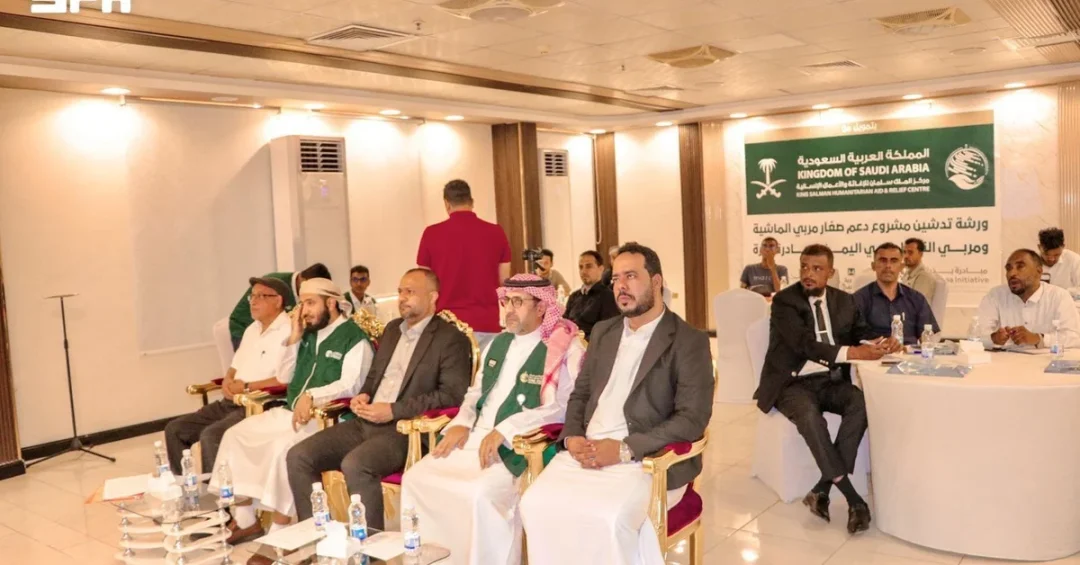
The King Salman Humanitarian Aid and Relief Center (KSrelief) launched a new development project in Hadhramaut Governorate, Yemen, on September 13, 2026, to support 990 small-scale livestock breeders and beekeepers, according to the Saudi Press Agency (SPA). The initiative, which covers the districts of Al-Raydah, Al-Qusayar, Al-Qatn, and Tarim in Hadhramaut, as well as Hadibu and Qalansiyah in the Socotra Archipelago, aims to strengthen rural livelihoods through land rehabilitation, local fodder production, technical training, and the provision of tools and equipment. The project is designed to enhance production efficiency, improve product quality, reduce costs, and facilitate access to markets, reflecting Saudi Arabia’s continued commitment to humanitarian and development efforts in Yemen.
Context and Background
Yemen has faced years of conflict and economic instability, which have severely impacted agricultural communities, particularly in rural areas where livestock breeding and beekeeping are vital sources of income. Hadhramaut Governorate, located in eastern Yemen, is known for its agricultural potential but has struggled with limited infrastructure and market access. KSrelief, a leading humanitarian organization established by Saudi Arabia in 2015, has been actively implementing projects across Yemen to address food security, health, and livelihood challenges. This latest initiative builds on KSrelief’s broader strategy to promote sustainable development and self-reliance among vulnerable populations.
The project specifically targets small-scale producers, who often lack the resources and knowledge to maximize productivity. By focusing on land rehabilitation and local fodder production, KSrelief aims to reduce dependency on imported feed and empower local communities to manage their resources more effectively. The inclusion of Socotra’s districts underscores the project’s reach to remote and underserved areas, where beekeeping is a traditional practice with significant economic potential.
Key Details
The project provides a comprehensive package of support, including technical training sessions for beneficiaries on modern livestock and beekeeping techniques, as well as the distribution of essential tools and equipment. These measures are expected to enhance production efficiency and product quality, ultimately leading to higher incomes for families. Additionally, the project facilitates access to markets, helping producers connect with buyers and secure better prices for their goods. This market-oriented approach is crucial for ensuring long-term sustainability and fostering economic growth in the region.
Dr. Murad Baalawi, Assistant Governor of Hadhramaut for Youth Affairs and Civil Society Organizations, praised KSrelief’s efforts to support the agricultural sector and improve livelihoods. He affirmed the local authority’s readiness to provide the necessary support for the project’s success, highlighting the collaborative spirit between Saudi Arabia and Yemeni local authorities. This partnership is essential for the effective implementation and monitoring of the project, ensuring that benefits reach the intended beneficiaries.
Implications and Impact
The launch of this project carries significant implications for Yemen’s agricultural sector and rural economy. By supporting 990 small-scale producers, KSrelief is directly contributing to food security and poverty reduction in Hadhramaut and Socotra. Improved livestock and honey production can lead to increased household incomes, better nutrition, and enhanced resilience to economic shocks. Furthermore, the project’s emphasis on local fodder production reduces reliance on external inputs, making the communities more self-sufficient and less vulnerable to market fluctuations.
On a broader scale, this initiative reinforces Saudi Arabia’s role as a key humanitarian donor and development partner in Yemen. It aligns with the Kingdom’s Vision 2030 goals of promoting global stability and prosperity through sustainable development. By investing in Yemen’s agricultural potential, Saudi Arabia is not only addressing immediate needs but also laying the groundwork for long-term recovery and economic integration. The project also strengthens bilateral ties and demonstrates Saudi Arabia’s commitment to supporting its neighbor during challenging times.
Vision 2030 Alignment
This project exemplifies Saudi Arabia’s Vision 2030 objectives of fostering international cooperation and humanitarian leadership. Under Vision 2030, the Kingdom seeks to diversify its economy and enhance its global engagement, including through development assistance that promotes stability and prosperity. KSrelief’s work in Yemen is a testament to Saudi Arabia’s dedication to alleviating human suffering and building sustainable futures. As the project progresses, it will contribute to the Kingdom’s legacy of compassion and its strategic vision for a more secure and prosperous region.
20 Questions
Q1. What is the main goal of the KSrelief project in Hadhramaut?
A1. The project aims to support 990 small-scale livestock breeders and beekeepers in Yemen by providing training, tools, and market access to improve their livelihoods and production efficiency.
Q2. Which districts in Hadhramaut are covered by the project?
A2. The project covers Al-Raydah, Al-Qusayar, Al-Qatn, and Tarim in Hadhramaut, as well as Hadibu and Qalansiyah in the Socotra Archipelago, ensuring widespread impact.
Q3. Who launched the project?
A3. The King Salman Humanitarian Aid and Relief Center (KSrelief), a Saudi humanitarian organization, launched the project as part of its ongoing efforts in Yemen.
Q4. When was the project launched?
A4. The project was launched on September 13, 2026, according to the Saudi Press Agency (SPA), marking another step in Saudi Arabia’s humanitarian support.
Q5. What types of support does the project provide?
A5. It provides land rehabilitation, local fodder production, technical training, tools, and equipment to enhance production, improve quality, reduce costs, and facilitate market access.
Q6. Why is this project important for Yemen?
A6. It addresses food security and poverty by empowering rural producers, helping them increase incomes and resilience amid Yemen’s economic challenges.
Q7. How many beneficiaries are targeted?
A7. The project targets 990 small-scale livestock breeders and beekeepers, directly improving their capacity and livelihoods in targeted districts.
Q8. What did Dr. Murad Baalawi say about the project?
A8. Dr. Murad Baalawi praised KSrelief’s efforts and affirmed the local authority’s readiness to support the project for its success, highlighting collaboration.
Q9. How does the project facilitate market access?
A9. It helps producers connect with buyers and secure better prices through improved product quality and market linkages, enhancing economic returns.
Q10. What is the significance of local fodder production?
A10. Local fodder production reduces reliance on imported feed, lowers costs, and empowers communities to manage resources sustainably, boosting self-reliance.
Q11. How does this project align with Saudi Vision 2030?
A11. It reflects Vision 2030’s goals of global engagement and humanitarian leadership, showcasing Saudi Arabia’s commitment to sustainable development and regional stability.
Q12. What role does KSrelief play in Yemen?
A12. KSrelief implements humanitarian and development projects across Yemen, focusing on food security, health, and livelihoods to alleviate suffering and promote recovery.
Q13. Which areas in Socotra are included?
A13. The project includes Hadibu and Qalansiyah in Socotra, extending support to remote communities where beekeeping is a traditional and vital economic activity.
Q14. How will the project improve product quality?
A14. Through technical training and modern equipment, producers can adopt better practices, leading to higher-quality livestock and honey products for markets.
Q15. What is the expected impact on local incomes?
A15. By enhancing efficiency and market access, the project is expected to increase household incomes, improving living standards and economic stability for beneficiaries.
Q16. Why are livestock breeders and beekeepers targeted?
A16. These groups are vital to rural economies but often lack resources; supporting them boosts food security and creates sustainable income opportunities.
Q17. How does the project promote sustainability?
A17. It promotes sustainability by building local capacity, reducing external dependencies, and fostering self-reliance, ensuring long-term benefits for communities.
Q18. What is the role of local authorities in the project?
A18. Local authorities provide necessary support and coordination, ensuring effective implementation and monitoring, as affirmed by Dr. Murad Baalawi.
Q19. How does this project reflect Saudi Arabia’s humanitarian stance?
A19. It demonstrates Saudi Arabia’s dedication to alleviating suffering and fostering development, reinforcing its role as a leading global humanitarian donor.
Q20. What are the broader implications for Saudi-Yemen relations?
A20. The project strengthens bilateral ties and showcases Saudi Arabia’s commitment to Yemen’s stability and prosperity, enhancing regional cooperation and goodwill.
Reader Feedback
We value your thoughts. Please share your feedback on this article.
Your feedback helps us improve our coverage.