


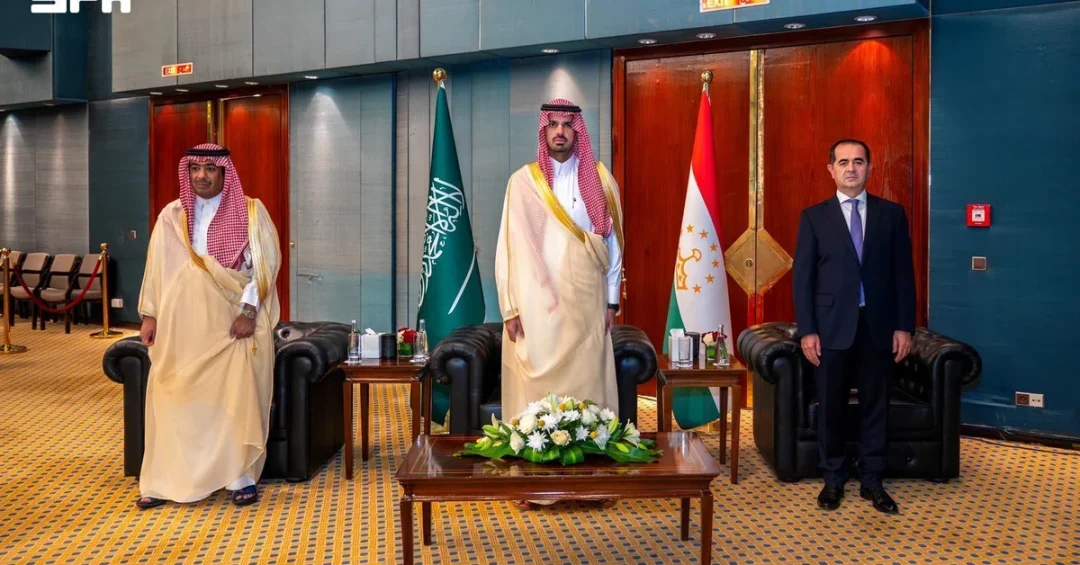
Riyadh Region Mayor Prince Faisal bin Abdulaziz bin Ayyaf attended a reception hosted by the Embassy of the Republic of Tajikistan in Saudi Arabia on September 13, 2026, marking Tajikistan’s National Day. The event, held at the Cultural Palace in the Diplomatic Quarter in Riyadh, was attended on behalf of Riyadh Region Governor Prince Faisal bin Bandar bin Abdulaziz, underscoring the strong diplomatic ties between the Kingdom of Saudi Arabia and Tajikistan.
Context and Background
The reception was hosted by Ambassador of the Republic of Tajikistan to Saudi Arabia Akram Karimi, who welcomed Prince Faisal upon his arrival. The event brought together members of the diplomatic corps accredited to Saudi Arabia, including Deputy Minister for Protocol Affairs Abdulmajeed Al-Smari. Such gatherings are a regular feature of Riyadh’s diplomatic calendar, reflecting the Kingdom’s commitment to fostering international partnerships and cultural exchange.
Saudi Arabia and Tajikistan have maintained diplomatic relations since 1992, and ties have grown steadily across political, economic, and cultural domains. The Kingdom has consistently supported Tajikistan’s development through investments and cooperation in areas such as energy, infrastructure, and education. This reception serves as a testament to the enduring friendship between the two nations.
Key Details
The celebration took place at the Cultural Palace, a prominent venue in Riyadh’s Diplomatic Quarter that frequently hosts national day events for various embassies. Prince Faisal’s attendance on behalf of Governor Prince Faisal bin Bandar bin Abdulaziz highlights the Saudi leadership’s dedication to engaging with the international community. Ambassador Karimi expressed gratitude for the Kingdom’s continued support and the warm reception extended to the Tajik delegation.
Among the attendees were several ambassadors and diplomats from other nations, who joined in celebrating Tajikistan’s independence and its cultural heritage. The event featured traditional Tajik music, cuisine, and exhibitions, offering guests a glimpse into the country’s rich history and traditions. Such cultural exchanges are vital for building mutual understanding and strengthening people-to-people ties.
Implications and Impact
This diplomatic engagement underscores Saudi Arabia’s role as a regional leader and its commitment to maintaining robust relations with Central Asian nations. Tajikistan, located at the crossroads of Asia, holds strategic importance for trade and connectivity. The Kingdom’s participation in this event signals its ongoing support for stability and development in the region, aligning with its broader foreign policy objectives.
Furthermore, the presence of high-ranking Saudi officials at the reception demonstrates the Kingdom’s proactive diplomacy and its respect for international norms. By honoring Tajikistan’s National Day, Saudi Arabia reinforces its image as a responsible global player that values diplomatic traditions and multilateral cooperation.
Vision 2030 Alignment
Saudi Arabia’s Vision 2030 aims to diversify the economy and strengthen international partnerships, and engagements like this reception are integral to that vision. By nurturing ties with countries like Tajikistan, the Kingdom opens avenues for collaboration in trade, investment, and tourism, while also promoting cultural diplomacy. As Saudi Arabia continues its transformation, such events highlight its commitment to global engagement and mutual prosperity.
20 Questions
Q1. What event did Riyadh Region Mayor Prince Faisal bin Abdulaziz bin Ayyaf attend?
A1. He attended a reception hosted by the Embassy of Tajikistan in Saudi Arabia, celebrating Tajikistan’s National Day on September 13, 2026, at the Cultural Palace in Riyadh’s Diplomatic Quarter.
Q2. Who hosted the reception?
A2. The reception was hosted by Ambassador of the Republic of Tajikistan to Saudi Arabia Akram Karimi, who welcomed Prince Faisal and other guests upon arrival.
Q3. On whose behalf did Prince Faisal attend the reception?
A3. Prince Faisal attended on behalf of Riyadh Region Governor Prince Faisal bin Bandar bin Abdulaziz, representing the Governor at this important diplomatic event.
Q4. Where was the reception held?
A4. The reception took place at the Cultural Palace in the Diplomatic Quarter in Riyadh, a venue known for hosting national day celebrations and diplomatic gatherings.
Q5. Who else attended the reception?
A5. Deputy Minister for Protocol Affairs Abdulmajeed Al-Smari and a number of members of the diplomatic corps accredited to Saudi Arabia attended the reception, along with embassy officials.
Q6. What is the significance of Tajikistan’s National Day?
A6. Tajikistan’s National Day marks the country’s independence, celebrated annually on September 9. The reception in Riyadh was held on September 13, 2026, to commemorate this occasion.
Q7. How long have Saudi Arabia and Tajikistan had diplomatic relations?
A7. Saudi Arabia and Tajikistan established diplomatic relations in 1992, following Tajikistan’s independence from the Soviet Union, and ties have grown steadily since then.
Q8. What areas of cooperation exist between Saudi Arabia and Tajikistan?
A8. The two countries cooperate in political, economic, cultural, and educational domains, with Saudi Arabia supporting Tajikistan’s development through investments and partnerships.
Q9. Why is the Diplomatic Quarter significant?
A9. The Diplomatic Quarter in Riyadh is a hub for embassies and international organizations, serving as a venue for diplomatic events that foster international relations and cultural exchange.
Q10. What cultural elements were showcased at the reception?
A10. The event featured traditional Tajik music, cuisine, and exhibitions, offering guests a taste of Tajikistan’s rich heritage and traditions, promoting cultural understanding among attendees.
Q11. How does this event reflect Saudi Arabia’s foreign policy?
A11. It demonstrates Saudi Arabia’s commitment to maintaining strong ties with Central Asian nations and its proactive role in regional diplomacy and international cooperation.
Q12. What is the role of the Riyadh Region Mayor?
A12. The Riyadh Region Mayor oversees municipal affairs and represents the Governor at official events, playing a key role in the city’s administration and diplomatic engagements.
Q13. Who is Prince Faisal bin Bandar bin Abdulaziz?
A13. He is the Governor of Riyadh Region, a senior Saudi official who oversees the region’s development and represents the leadership at various functions.
Q14. How does this reception align with Vision 2030?
A14. Vision 2030 emphasizes international partnerships and cultural diplomacy. Such receptions strengthen ties that can lead to economic and cultural collaborations, supporting the Kingdom’s diversification goals.
Q15. What message does Saudi Arabia’s attendance send?
A15. It signals Saudi Arabia’s respect for diplomatic traditions, its support for friendly nations, and its openness to global engagement, reinforcing its image as a responsible international player.
Q16. What is the significance of Ambassador Akram Karimi’s role?
A16. As Tajikistan’s Ambassador to Saudi Arabia, he facilitates bilateral relations and hosts events like this to promote his country’s culture and strengthen diplomatic ties.
Q17. How often are such receptions held in Riyadh?
A17. National day receptions are common in Riyadh’s Diplomatic Quarter, with embassies regularly hosting events that Saudi officials attend to honor bilateral relationships.
Q18. What economic opportunities might arise from Saudi-Tajik relations?
A18. Enhanced cooperation could lead to investments in energy, infrastructure, and trade, as Tajikistan serves as a gateway to Central Asian markets, benefiting both economies.
Q19. What does Deputy Minister Abdulmajeed Al-Smari’s presence indicate?
A19. It highlights the Saudi government’s protocol-level engagement and its commitment to maintaining strong diplomatic relations with Tajikistan and other nations.
Q20. How does this event contribute to Saudi Arabia’s global standing?
A20. By participating in such diplomatic gatherings, Saudi Arabia reinforces its role as a global leader that values international cooperation and cultural exchange, enhancing its soft power.
Reader Feedback
We value your thoughts. Please share your feedback on this article.
Your feedback helps us improve our coverage.