


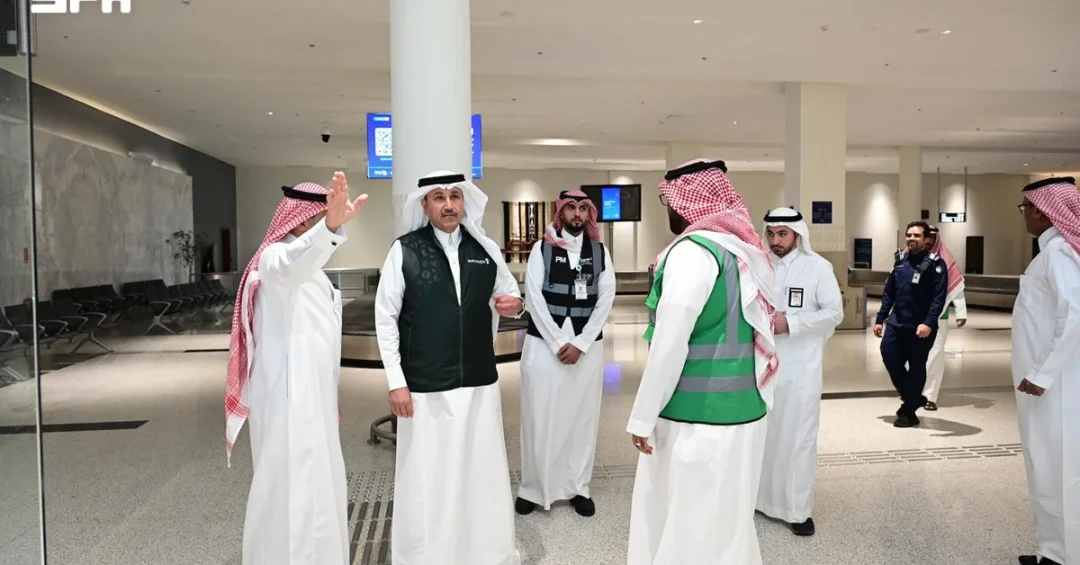
Minister of Transport and Logistic Services and Chairman of the Board of Directors of the General Authority of Civil Aviation (GACA), Saleh Al-Jasser, conducted an official inspection of Al Jouf International Airport on September 13, 2026, reviewing operations and passenger services as part of the Kingdom’s ongoing efforts to enhance aviation infrastructure. The visit underscores Saudi Arabia’s commitment to raising service quality at regional airports, a key objective under Vision 2030.
Context and Background
Al Jouf International Airport, located in the northern Sakaka region, serves as a vital gateway for domestic and international travelers, including visitors to the historic Al-Jouf area. The inspection aligns with the transport and logistics system’s broader strategy to optimize resources and deliver high-quality services, contributing to an improved passenger experience across the Kingdom.
During the visit, Minister Al-Jasser received a detailed briefing from Ali Masrahi, CEO of Cluster2 Airports, covering passenger services and initiatives to enhance operational efficiency. The briefing also addressed performance improvements to ensure airport services meet the highest international standards. This reflects the Ministry’s proactive approach to monitoring and upgrading aviation facilities nationwide.
Key Details
The Minister’s inspection focused on the services provided to passengers, efforts to increase operational efficiency, and measures to elevate the quality of the traveler experience. Al-Jasser was accompanied by a delegation and toured the airport’s facilities, observing firsthand the implementation of service enhancements. The visit forms part of the transport and logistic services system’s efforts to harness available resources and provide high-quality support to visitors to Al-Jouf.
Cluster2 Airports, which manages several regional airports in Saudi Arabia, has been instrumental in driving modernization and improving passenger satisfaction. The briefing highlighted ongoing projects aimed at streamlining processes, reducing wait times, and upgrading amenities. These initiatives are designed to accommodate growing passenger traffic and support the region’s economic and tourism development.
Implications and Impact
The inspection signals the Kingdom’s dedication to strengthening its aviation sector as a cornerstone of economic diversification. By ensuring that regional airports like Al Jouf International operate at peak efficiency, Saudi Arabia enhances connectivity, boosts tourism, and facilitates trade. Improved airport services also contribute to the broader logistical network, positioning the Kingdom as a global logistics hub in line with Vision 2030.
For international audiences, this development demonstrates Saudi Arabia’s systematic approach to infrastructure upgrades, which is essential for attracting foreign investment and visitors. The focus on passenger experience mirrors global best practices and reinforces the Kingdom’s reputation for hospitality and service excellence. As Saudi Arabia expands its aviation capacity, regional airports will play a critical role in distributing economic benefits beyond major cities.
Vision 2030 Alignment
This initiative directly supports Vision 2030’s goals of enhancing the quality of life, diversifying the economy, and establishing Saudi Arabia as a premier tourism and logistics destination. By continuously evaluating and improving airport operations, the Ministry of Transport and Logistic Services and GACA are ensuring that the Kingdom’s aviation infrastructure meets future demands. The visit to Al Jouf International Airport exemplifies the leadership’s commitment to excellence and sustainable development, paving the way for a prosperous and connected Saudi Arabia.
20 Questions
Q1. Who inspected Al Jouf International Airport?
A1. Saleh Al-Jasser, Minister of Transport and Logistic Services and Chairman of GACA, conducted the inspection on September 13, 2026, accompanied by a delegation to review operations and services.
Q2. What was the purpose of the Minister’s visit?
A2. The visit aimed to review airport operations, passenger services, and efforts to improve operational efficiency, ensuring services meet the highest standards.
Q3. Who briefed the Minister during the visit?
A3. Ali Masrahi, CEO of Cluster2 Airports, provided a detailed briefing on passenger services and initiatives to enhance the traveler experience.
Q4. What is Cluster2 Airports?
A4. Cluster2 Airports is a management entity responsible for operating several regional airports in Saudi Arabia, focusing on modernization and service quality improvements.
Q5. Why is Al Jouf International Airport significant?
A5. It serves as a key gateway for domestic and international travelers in the northern Sakaka region, supporting tourism and economic activity.
Q6. How does this visit align with Vision 2030?
A6. It supports Vision 2030 goals of enhancing quality of life, diversifying the economy, and positioning Saudi Arabia as a logistics and tourism hub.
Q7. What aspects of airport operations were reviewed?
A7. The review covered passenger services, operational efficiency, performance improvement, and adherence to high service standards.
Q8. What is GACA’s role in this context?
A8. The General Authority of Civil Aviation regulates and develops Saudi Arabia’s aviation sector, ensuring safety, efficiency, and service excellence.
Q9. How does this benefit passengers?
A9. Improved services, reduced wait times, and upgraded amenities enhance the overall passenger experience, making travel more convenient and pleasant.
Q10. What efforts are being made to increase operational efficiency?
A10. Efforts include streamlining processes, adopting new technologies, and optimizing resource allocation to handle growing passenger traffic.
Q11. What does the transport and logistics system aim to achieve?
A11. It seeks to harness resources, provide high-quality support to visitors, and continuously improve passenger experiences across airports.
Q12. How does this visit impact the local community?
A12. Enhanced airport services boost local tourism, create jobs, and stimulate economic growth in the Al-Jouf region.
Q13. What are the international implications of this inspection?
A13. It demonstrates Saudi Arabia’s commitment to world-class infrastructure, attracting foreign investment and visitors while strengthening global connectivity.
Q14. What future improvements can be expected?
A14. Continued upgrades in technology, facilities, and services are anticipated to meet international standards and accommodate future growth.
Q15. How does this fit into Saudi Arabia’s aviation strategy?
A15. It aligns with the National Aviation Strategy, which aims to expand capacity, enhance competitiveness, and triple passenger traffic by 2030.
Q16. What role do regional airports play in Vision 2030?
A16. They distribute economic benefits, improve connectivity, and support tourism diversification, contributing to balanced regional development.
Q17. Who oversees airport operations in Saudi Arabia?
A17. GACA oversees regulations, while entities like Cluster2 Airports manage day-to-day operations to ensure compliance and service quality.
Q18. What standards are airports expected to meet?
A18. They must meet the highest international standards for safety, efficiency, and passenger service, as emphasized by the Minister.
Q19. How often are such inspections conducted?
A19. The Ministry conducts regular inspections across airports to monitor performance and drive continuous improvement, though specific schedules are not fixed.
Q20. What message does this visit convey?
A20. It conveys the Kingdom’s dedication to excellence in aviation, ensuring that all airports, including regional ones, deliver exceptional services aligned with Vision 2030.
Reader Feedback
We value your thoughts. Please share your feedback on this article.
Your feedback helps us improve our coverage.