


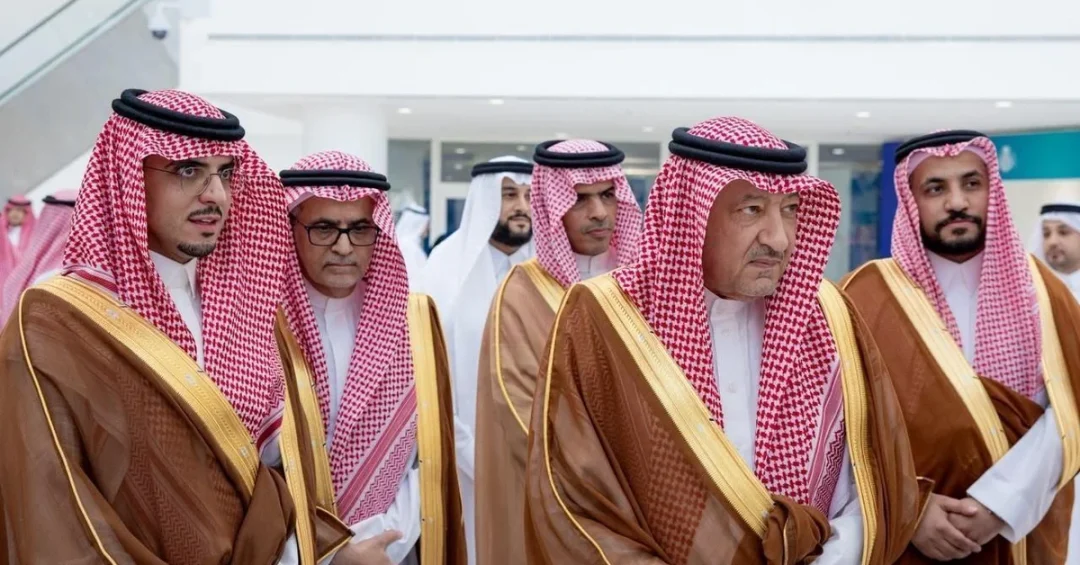
Riyadh, September 12, 2026 — Under the patronage of Minister of Foreign Affairs Prince Faisal bin Farhan bin Abdullah, Vice Minister of Foreign Affairs Waleed Elkhereiji inaugurated the second Ministry of Foreign Affairs Forum on World Law Day at the Prince Saud Al Faisal Institute for Diplomatic Studies in Riyadh. Organized in partnership with the Saudi Center for Commercial Arbitration (SCCA), the forum convened legal scholars, diplomats, and industry leaders to review current international legal developments and pressing regional challenges. The event underscores the Kingdom’s commitment to the rule of law and its growing role in shaping global legal frameworks.
Context and Background
World Law Day, observed annually, highlights the importance of international law in fostering peace, security, and cooperation. Saudi Arabia’s Ministry of Foreign Affairs has increasingly prioritized legal diplomacy as part of its broader engagement with multilateral institutions. The inaugural forum last year set the stage for this second edition, which expands its scope to address emerging legal questions. The Prince Saud Al Faisal Institute for Diplomatic Studies, named after the late distinguished diplomat, serves as a fitting venue, reflecting the Kingdom’s dedication to diplomatic education and research. This year’s forum coincides with Saudi Arabia’s designation of 2026 as the Year of Artificial Intelligence, adding a forward-looking dimension to the discussions.
Key Details
In his keynote address, Vice Minister Elkhereiji stressed the pivotal role of the rule of law in guiding international relations. He highlighted that this edition addresses pressing legal questions, including the implications of the closure of the Strait of Hormuz—a critical maritime chokepoint for global energy supplies. The agenda also spotlighted artificial intelligence governance, aligning with Saudi Arabia’s strategic integration of AI under Vision 2030. SCCA Chairman Dr. Walid Abanumay emphasized that the rule of law relies on robust dispute resolution mechanisms such as arbitration and mediation. He noted that swift, reliable adjudication frameworks are essential to build investor confidence, protect commercial rights, and reinforce the Kingdom’s standing as an international business hub. Panel sessions throughout the event examined legal frameworks governing maritime chokepoints, emerging AI legislation, legal research methodology, and workforce readiness for legal practitioners through practical training and advocacy competitions.
Implications and Impact
The forum’s focus on maritime security and AI governance reflects Saudi Arabia’s proactive approach to addressing global legal challenges. The Strait of Hormuz closure scenario, though hypothetical, underscores the need for robust legal mechanisms to ensure freedom of navigation and energy security. By tackling AI legislation, the Kingdom positions itself at the forefront of regulating transformative technologies, balancing innovation with ethical and legal safeguards. The emphasis on arbitration and mediation signals Saudi Arabia’s commitment to providing reliable dispute resolution, attracting foreign investment, and enhancing its reputation as a global business destination. These discussions contribute to shaping international norms and demonstrate Saudi Arabia’s leadership in legal diplomacy.
Vision 2030 Alignment
This forum directly supports Saudi Vision 2030 by promoting the rule of law, enhancing the business environment, and fostering international cooperation. The integration of AI governance aligns with the Year of Artificial Intelligence and the Kingdom’s goal to become a global leader in technology and innovation. By strengthening legal frameworks and dispute resolution, Saudi Arabia reinforces its position as a hub for investment and commerce, driving economic diversification and sustainable development. The Ministry of Foreign Affairs’ efforts in legal diplomacy also enhance the Kingdom’s soft power and global standing, contributing to a more secure and prosperous future.
20 Questions
Q1. What event did Vice Minister Waleed Elkhereiji inaugurate in Riyadh?
A1. He inaugurated the second Ministry of Foreign Affairs Forum on World Law Day at the Prince Saud Al Faisal Institute for Diplomatic Studies, organized with the Saudi Center for Commercial Arbitration.
Q2. Who patronized the forum?
A2. Minister of Foreign Affairs Prince Faisal bin Farhan bin Abdullah patronized the forum, highlighting the Kingdom’s commitment to international law and diplomacy.
Q3. Where was the forum held?
A3. The forum took place at the Prince Saud Al Faisal Institute for Diplomatic Studies in Riyadh, a leading institution for diplomatic training and research.
Q4. What is the significance of World Law Day?
A4. World Law Day promotes awareness of international law’s role in fostering peace, security, and cooperation among nations, and Saudi Arabia actively participates in its observance.
Q5. Which organization co-organized the forum?
A5. The Saudi Center for Commercial Arbitration (SCCA) co-organized the event, emphasizing the importance of arbitration and mediation in international dispute resolution.
Q6. What key topics were discussed at the forum?
A6. Discussions covered maritime chokepoints, AI governance, legal research methodology, and workforce readiness for legal practitioners through training and advocacy competitions.
Q7. Why is the Strait of Hormuz significant in the discussions?
A7. The Strait of Hormuz is a vital maritime chokepoint for global energy supplies, and its closure scenario raises important legal questions about navigation and security.
Q8. How does the forum address AI governance?
A8. The forum examines emerging AI legislation, aligning with Saudi Arabia’s designation of 2026 as the Year of Artificial Intelligence and its strategic integration under Vision 2030.
Q9. What did SCCA Chairman Dr. Walid Abanumay emphasize?
A9. He emphasized that the rule of law relies on robust dispute resolution mechanisms like arbitration and mediation to build investor confidence and protect commercial rights.
Q10. How does the forum support Saudi Arabia’s business environment?
A10. By promoting reliable adjudication frameworks, the forum helps attract foreign investment and reinforces the Kingdom’s standing as an international business hub.
Q11. What is the role of the Prince Saud Al Faisal Institute?
A11. The institute provides diplomatic education and research, hosting events like this forum to enhance legal and diplomatic expertise in the Kingdom.
Q12. How does the forum align with Saudi Vision 2030?
A12. It supports Vision 2030 by promoting the rule of law, enhancing the business environment, and fostering international cooperation, contributing to economic diversification.
Q13. What are the expected outcomes of the forum?
A13. The forum aims to produce recommendations on legal frameworks, enhance understanding of AI governance, and strengthen international legal cooperation.
Q14. Who attended the forum?
A14. Legal scholars, diplomats, and industry leaders attended, reflecting broad engagement across sectors relevant to international law and commerce.
Q15. Why is arbitration important for Saudi Arabia?
A15. Arbitration provides efficient dispute resolution, essential for investor confidence and protecting commercial rights, supporting the Kingdom’s economic growth.
Q16. How does the forum address workforce readiness?
A16. It includes practical training and advocacy competitions to prepare legal practitioners for emerging challenges in international law.
Q17. What is the significance of the forum’s timing?
A17. It coincides with the Year of Artificial Intelligence, allowing timely discussions on AI legislation and its integration into legal systems.
Q18. How does Saudi Arabia benefit from hosting such forums?
A18. Hosting enhances the Kingdom’s soft power, showcases its commitment to international law, and positions it as a leader in legal diplomacy.
Q19. What is the Ministry of Foreign Affairs’ role in legal diplomacy?
A19. The Ministry promotes the rule of law internationally, organizes forums, and engages with global partners to address legal challenges and foster cooperation.
Q20. What future initiatives can be expected from the Ministry?
A20. The Ministry will likely continue hosting such forums, advancing legal diplomacy, and contributing to international legal frameworks in line with Vision 2030.
Reader Feedback
We value your thoughts. Please share your feedback on this article.
Your feedback helps us improve our coverage.