


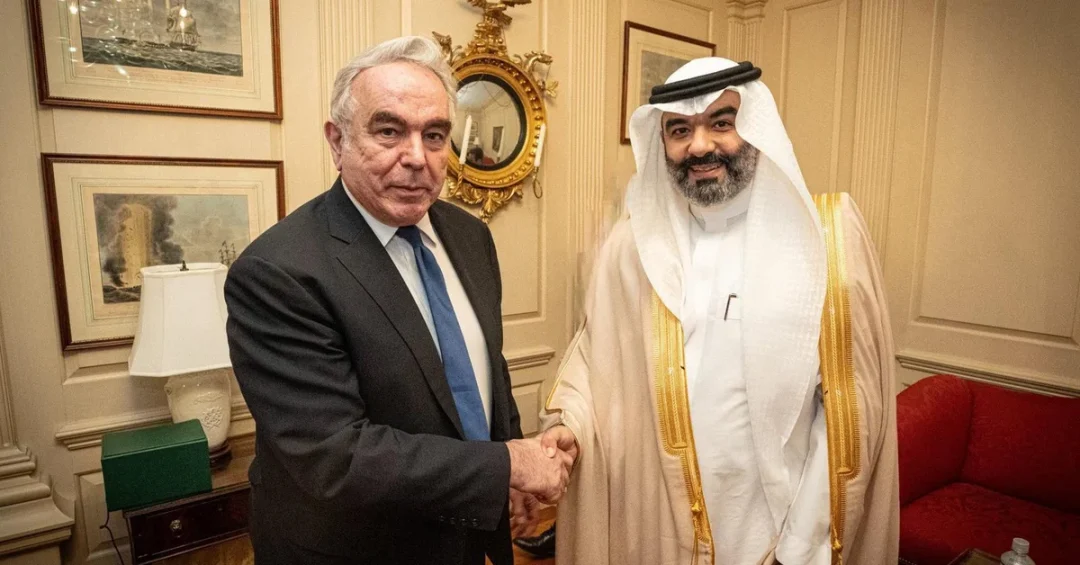
The Saudi Minister of Communications and Information Technology, Eng. Abdullah bin Amer Al-Swaha, met with U.S. Deputy Secretary of State Kurt Campbell in Washington on June 28, 2024, to discuss strengthening the strategic partnership between the Kingdom of Saudi Arabia and the United States in the digital economy and technology sectors. The meeting, reported by the Saudi Press Agency (SPA), focused on enhancing the role of modern technologies in serving humanity and stimulating research, development, and innovation between the two nations.
Context and Background
This high-level engagement underscores the deep and enduring ties between Saudi Arabia and the United States, particularly in the realm of technology and innovation. Saudi Arabia, under its Vision 2030 framework, is rapidly advancing its digital infrastructure and technological capabilities, making it a key partner for the United States in the region. The meeting comes at a time when digital transformation is accelerating globally, and both nations are keen to leverage new technologies to drive economic growth and societal well-being.
The Saudi Ministry of Communications and Information Technology (MCIT) has been at the forefront of the Kingdom’s digital agenda, overseeing initiatives that aim to foster a thriving digital economy. This includes investments in artificial intelligence, cloud computing, and data centers, as well as policies that encourage entrepreneurship and tech startups. The United States, home to many of the world’s leading technology firms, represents a natural partner for Saudi Arabia in these efforts.
Key Details
During the meeting, the two sides discussed ways to enhance cooperation in several key areas, including digital economy, modern technology applications, and research and development. The discussions also centered on promoting innovation through joint projects and knowledge exchange. The meeting builds on a series of high-level visits and agreements between Saudi Arabia and the United States, reflecting a shared commitment to advancing technological progress that benefits both nations.
The Saudi delegation, led by Minister Al-Swaha, highlighted the Kingdom’s achievements in digital infrastructure and the significant strides made in recent years. The U.S. delegation, represented by Deputy Secretary Campbell, acknowledged the positive trajectory of the Saudi digital landscape and expressed interest in deeper collaboration. The meeting also provided an opportunity to explore new avenues for partnership in emerging technologies such as 5G, the Internet of Things, and artificial intelligence, which are pivotal to both countries’ future economic and strategic goals.
Implications and Impact
The reinforced partnership between Saudi Arabia and the United States in digital communications is set to have far-reaching implications for the region and beyond. As Saudi Arabia progresses toward its Vision 2030 targets, the digital economy is expected to become a major contributor to the Kingdom’s GDP, creating new jobs and fostering an environment of innovation. The alignment with U.S. expertise and technology can accelerate this process, offering mutual benefits in terms of technology transfer, investment, and joint research initiatives.
The meeting also signals the importance of digital diplomacy in strengthening bilateral ties, with a focus on promoting a global digital ecosystem that is secure, reliable, and inclusive. By collaborating on research and development, both nations are poised to make significant strides in fields that directly impact citizens’ quality of life, from healthcare to education and smart city infrastructure. This engagement reaffirms the United States’ support for Saudi Arabia’s digital transformation and Vision 2030, which is aligned with broader regional stability and economic diversification.
Vision 2030 Alignment
As Saudi Arabia continues to implement Vision 2030, its digital economy is seen as a cornerstone of economic diversification and societal progress. The Ministry of Communications and Information Technology has been instrumental in driving forward this agenda, with goals to increase the sector’s contribution to GDP from 3% to 10% and create hundreds of thousands of jobs. Partnerships with countries like the United States are critical to achieving these targets, bringing in advanced technology, best practices, and investment.
Eng. Al-Swaha’s meetings with U.S. officials highlight the proactive approach of Saudi Arabia in building international alliances that directly contribute to the realization of Vision 2030 objectives. The discussions on research and development align with the Kingdom’s goal to foster a culture of innovation and to position itself as a global leader in emerging technologies. As Saudi Arabia advances into its digital future, such collaborations ensure that the Kingdom remains at the forefront of technological progress, ultimately benefiting its citizens and the world at large.
20 Questions
Q1. Who met in Washington to discuss digital economy partnership?
A1. Saudi Minister of Communications and Information Technology Eng. Abdullah bin Amer Al-Swaha met with U.S. Deputy Secretary of State Kurt Campbell to discuss strengthening digital economy ties.
Q2. What is the primary focus of the Saudi-U.S. digital partnership?
A2. The focus is on enhancing the digital economy, promoting modern technologies, and fostering research, development, and innovation to benefit both nations.
Q3. Which Saudi ministry is involved in the digital transformation?
A3. The Ministry of Communications and Information Technology (MCIT) is responsible for advancing Saudi Arabia’s digital infrastructure and technology sector.
Q4. What is the Vision 2030 goal for the digital economy?
A4. The goal is to increase the digital economy’s contribution to GDP from 3% to 10%, creating jobs and promoting innovation.
Q5. What are the key areas of discussion in the meeting?
A5. The areas include strengthening strategic partnership, enhancing modern technologies’ role in serving humanity, and stimulating research and development.
Q6. How does this meeting impact Saudi Arabia’s technological advancement?
A6. It fosters collaboration with U.S. expertise, accelerating Saudi Arabia’s technological capabilities and digital transformation efforts.
Q7. What is the U.S. perspective on this partnership?
A7. The U.S. sees Saudi Arabia as a valuable partner in digital innovation, with a commitment to collaboration on technology and research.
Q8. What is the significance of this meeting for Vision 2030?
A8. It directly supports Vision 2030’s goals of economic diversification and digitalization, building international cooperation to drive innovation.
Q9. Are there any specific technologies mentioned in the discussions?
A9. The discussions likely included AI, cloud computing, IoT, and other emerging technologies, as they are key to the digital economy.
Q10. How will this collaboration benefit both countries?
A10. It will enable technology transfer, joint research, and investment, benefiting both nations in terms of innovation and economic growth.
Q11. What is the role of the U.S. Deputy Secretary of State in this meeting?
A11. Deputy Secretary Kurt Campbell represented the U.S. government, expressing interest in strengthening technological ties and cooperation with Saudi Arabia.
Q12. How does the digital economy contribute to serving humanity?
A12. Modern technologies can improve healthcare, education, and connectivity, enhancing quality of life globally.
Q13. What is the expected outcome of this meeting?
A13. The outcome includes potential joint initiatives, partnerships, and agreements to promote innovation and digital growth.
Q14. Is this the first time the two countries have met on digital issues?
A14. No, this is part of an ongoing series of high-level discussions and collaborations between the U.S. and Saudi Arabia in technology.
Q15. How does Saudi Arabia aim to become a global tech leader?
A15. Through Vision 2030, Saudi Arabia invests in digital infrastructure, education, and research, partnering with global leaders like the U.S.
Q16. What is the importance of research and innovation in this context?
A16. Research and innovation are crucial for developing homegrown technology and creating a sustainable digital economy.
Q17. Are there any previous successes from Saudi-U.S. tech cooperation?
A17. Yes, there have been successful initiatives in cloud computing and digital skills training, contributing to Saudi digital growth.
Q18. How does this meeting align with global digital trends?
A18. It aligns with global emphasis on digital transformation, especially in areas like AI and cybersecurity, positioning both countries as leaders.
Q19. What role does the Saudi Minister play in this process?
A19. Minister Al-Swaha leads the digital transformation strategy and represents the Kingdom in international forums to strengthen partnerships.
Q20. What is the future outlook for Saudi-U.S. tech cooperation?
A20. The outlook is positive, with expected growth in joint ventures, innovation hubs, and tech exchanges, benefiting both nations’ digital ambitions.
Reader Feedback
We value your thoughts. Please share your feedback on this article.
Your feedback helps us improve our coverage.