


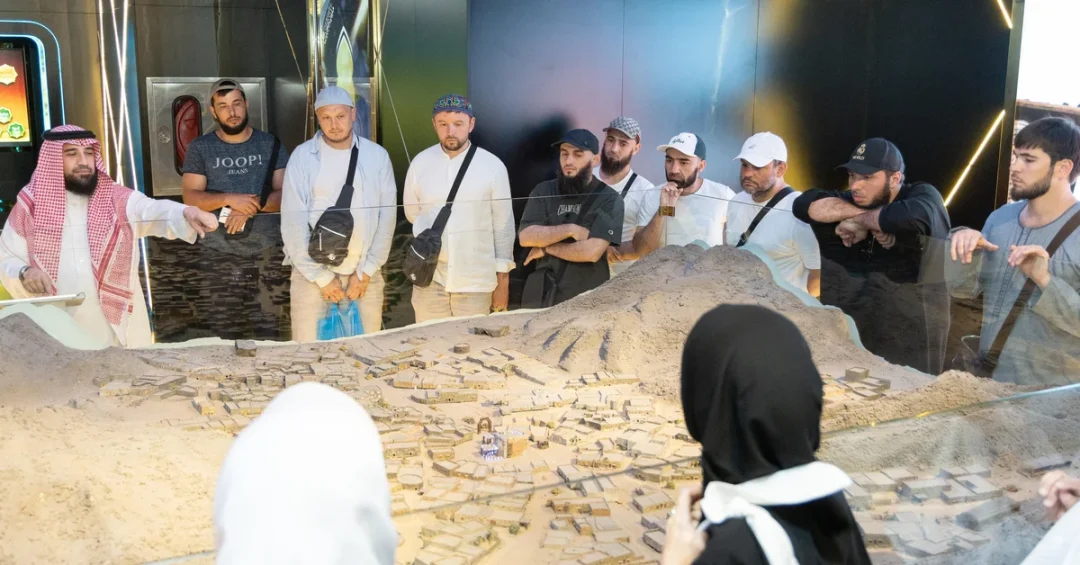
The International Fair and Museum of the Prophet’s Biography and Islamic Civilization is offering an enriched experience for pilgrims visiting Madinah, utilizing advanced interactive displays and multi-language support to bring the story of the Prophet’s Hajj to life. This initiative, announced by the Saudi Press Agency on June 26, 2024, reflects Saudi Arabia’s commitment to serving pilgrims and sharing the heritage of Islam with a global audience.
Context and Background
The exhibition, located in the holy city of Madinah, serves as a cultural and educational gateway for millions of visitors who come for Hajj and Umrah. With the Kingdom welcoming over ten million pilgrims annually, the fair and museum address the need for accessible, accurate, and immersive education about the Prophet Muhammad’s life. By leveraging contemporary technologies, the museum makes the biography of the Prophet (peace and blessings be upon him) understandable and engaging for people from various backgrounds, languages, and civilizations.
Key Details
Through creative technological installations, visitors can trace the Prophet’s Hajj route and the regions he traversed during his Hajj and Umrah. The experience is offered in several languages, highlighting the diversity of nationalities and linguistic traditions among pilgrims. The museum includes interactive sections equipped with state-of-the-art technologies, including models of Makkah, Madinah, the Hijrah route, atlases, maps, educational tools, and interactive screens that enrich the visitor’s understanding of the Prophet’s biography and the historical events.
Implications and Impact
This initiative reflects Saudi Arabia’s broader efforts to enhance the spiritual and educational journey of pilgrims, aligning with the Kingdom’s Vision 2030 goals of improving the quality of life and offering diverse cultural experiences. By leveraging modern display technologies, the fair not only educates but also engages younger generations, bridging historical knowledge with digital innovation. The multilingual accessibility expands its reach, making the heritage of Islam more accessible to an increasingly international audience, thereby strengthening the Kingdom’s position as a global leader in Islamic heritage preservation.
Vision 2030 Alignment
The International Fair and Museum of the Prophet’s Biography aligns seamlessly with the Kingdom’s Vision 2030 ambitions to expand cultural tourism and enhance the spiritual experience for visitors. By investing in educational technologies and cultural storytelling, Saudi Arabia is solidifying its role as a custodian of Islamic heritage, fostering a forward-looking environment that values innovation and inclusivity. As the Kingdom continues to develop cultural and religious tourism, this museum exemplifies the thoughtful integration of modernity with tradition, inviting global visitors to connect with the roots of Islamic civilization.
20 Questions
Q1. What is the International Fair and Museum of the Prophet’s Biography?
A1. The International Fair and Museum of the Prophet’s Biography is an educational and cultural exhibition located in Madinah, Saudi Arabia, dedicated to showcasing the life and times of the Prophet Muhammad (PBUH) through interactive and digital displays.
Q2. What is the purpose of the museum?
A2. The museum aims to provide a rich, informative, and enriching experience for pilgrims visiting Madinah, presenting the Prophet’s Hajj and Umrah journeys in an accessible, multi-language format to diverse global audiences.
Q3. How does the museum offer a unique experience to pilgrims?
A3. Through creative technical displays and interactive sections, pilgrims can visually and educationally trace the Prophet’s routes, explore historical contexts, and use digital tools to deepen their understanding, all designed to engage visitors of various nationalities.
Q4. What languages are supported at the museum?
A4. The museum provides its presentations and interactive content in multiple languages, ensuring that pilgrims from all over the world can access the information, reflecting the global diversity of visitors to Madinah.
Q5. Which key locations are represented in the displays?
A5. The museum features detailed models of Makkah, Madinah, and the historical Hijrah route, along with atlases and maps that help visitors visualize the geography and important sites in Islamic history.
Q6. What educational tools are available?
A6. Educational tools include interactive screens, atlases, maps, and physical models, all designed to provide a hands-on learning experience about the Prophet’s biography and the Islamic civilization.
Q7. How does the museum contribute to Vision 2030?
A7. The museum aligns with Vision 2030 by enhancing the religious tourism experience, supporting cultural growth, and showcasing Saudi Arabia’s commitment to preserving Islamic heritage and using technology for education.
Q8. Are the displays only about the Prophet’s Hajj?
A8. While the museum focuses on the Prophet’s Hajj and Umrah, it also covers general aspects of his biography and Islamic civilization, providing a comprehensive understanding of his life and mission.
Q9. Is the museum suitable for non-Arabic speakers?
A9. Yes, the multilingual presentations and interactive tools are designed to accommodate non-Arabic speakers, ensuring pilgrims from every nation can access and appreciate the heritage.
Q10. What is the significance of Madinah for this museum?
A10. Madinah is historically and spiritually significant as a key city in the Prophet’s life, making it an ideal location for a museum dedicated to his biography and the Islamic civilization.
Q11. How do the models of Makkah and Madinah enhance the experience?
A11. The detailed models allow visitors to visualize the cities as they were during the Prophet’s time, providing a more immersive and accurate historical perspective of important events.
Q12. What role does interactivity play?
A12. Interactivity is central to the museum’s approach, enabling visitors to actively engage with content rather than just observe, which helps in better learning and retention of historical facts.
Q13. Are there guided tours or self-guided experiences?
A13. The museum offers both guided tours with knowledgeable guides and self-guided options using interactive screens and tools, catering to the preferences of various visitors.
Q14. How does the museum address the diversity of languages?
A14. Through simultaneous multilingual presentation and audio guides in several languages, the museum ensures that each visitor receives the message in their own tongue, fostering better communication.
Q15. What is the Islamic civilization component?
A15. Beyond the biography, the museum showcases the broader Islamic civilization, including contributions to science, art, and culture, offering a holistic view of the Islamic legacy.
Q16. How does the museum support the pilgrimage experience?
A16. By offering spiritual and educational context, the museum enriches the pilgrimage journey, allowing pilgrims to reflect on the deeper meanings of their religious observance and connect with the historical foundations.
Q17. What makes the museum unique compared to other Islamic museums?
A17. Its combination of state-of-the-art digital displays, multilingual support, and a specific focus on the Prophet’s biography makes it a unique interactive and inclusive destination in the Islamic world.
Q18. Can visitors take photos inside the museum?
A18. Visitors are generally encouraged to capture memories, but policy may vary. For the most current information, it is recommended to check with the museum’s official guidelines upon arrival.
Q19. How does the museum support international visitors?
A19. By offering materials in multiple languages, providing multilingual staff, and using universal design elements, the museum ensures comfortable and enriching visit for pilgrims from all over the world.
Q20. What are the future plans for the museum?
A20. While specific future plans are not yet public, the museum’s success aligns with Saudi Arabia’s Vision 2030 to expand cultural tourism and heritage preservation, so further expansions are expected.
Reader Feedback
We value your thoughts. Please share your feedback on this article.
Your feedback helps us improve our coverage.