


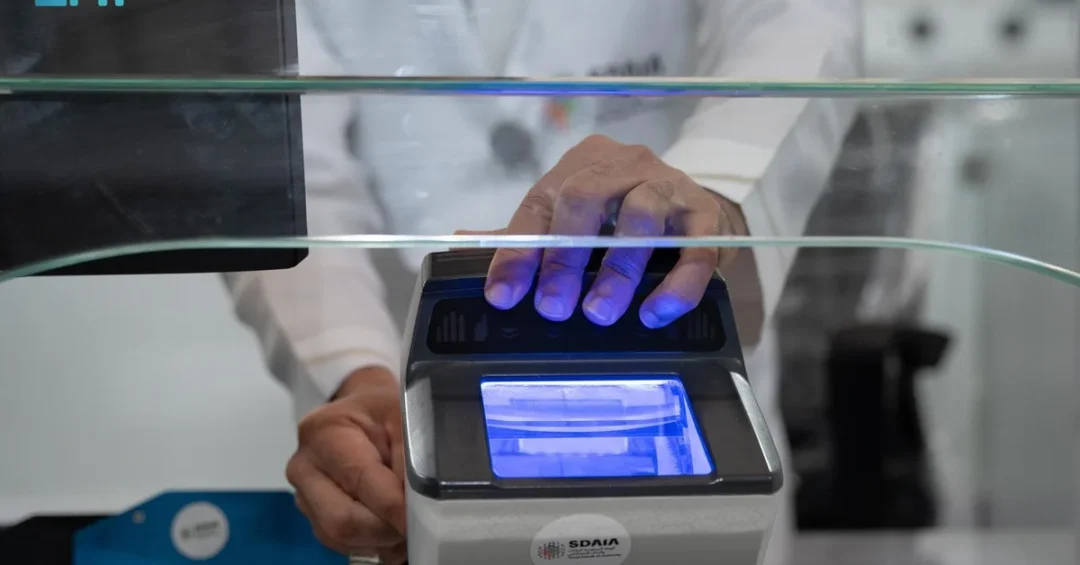
The Saudi Data and AI Authority (SDAIA) has announced the use of advanced data and artificial intelligence technologies to streamline the arrival of pilgrims at 14 air, sea, and land ports across the Kingdom during the 2024 Hajj season. The initiative, reported by the Saudi Press Agency, underscores Saudi Arabia’s dedication to employing innovative digital solutions to improve the pilgrimage experience, a key pillar of Vision 2030.
Context and Background
SDAIA, under the patronage of His Royal Highness Prince Mohammed bin Salman bin Abdulaziz Al Saud, Crown Prince and Chairman of the SDAIA Board of Directors, has been investing heavily in technical infrastructure and AI capabilities. This year, the authority collaborated with various government agencies to secure reliable communication circuits, including backup lines, to guarantee uninterrupted services at all border crossings. A dedicated national technical team was assembled for the Hajj season to provide continuous support, demonstrating the Kingdom’s proactive approach to leveraging modern technology for operational efficiency.
Key Details: Enhancing Port Infrastructure
SDAIA deployed new systems, services, and tools to improve the efficiency of border crossings, sorting centers, and security control centers. A special tech support room was established to address issues faced by various organizations, while mobile tech kits were distributed to teams at all ports to enable rapid on-site repairs. Preventive maintenance was carried out on all workstations and network equipment in the Hajj halls. Notably, SDAIA installed biometric scanners at border crossings, handling device setup, approved software, and training for Hajj personnel. The authority also introduced Banan, a biometric mobile device for on-site identification, and developed Sawaher and Baseer platforms to manage crowd sizes effectively, ensuring a safer and smoother experience for pilgrims.
Implications and Impact
These technological advancements have significantly reduced waiting times and enhanced the security and comfort of pilgrims arriving from around the world. The integration of pilgrim services into the Tawakkalna app allows users to manage Manasik Gate procedures, display pilgrim cards, and obtain entry permits for vehicles and personnel in collaboration with Public Security. This integration aligns with global trends in digital transformation, positioning Saudi Arabia as a leader in using AI for large-scale crowd management. The improvements at 14 ports, including King Abdulaziz International Airport, Jeddah Islamic Port, King Fahd Causeway, and NEOM Port, demonstrate the Kingdom’s logistical preparedness and its ability to host a growing number of international visitors.
Vision 2030 Alignment
The SDAIA initiatives are a testament to Saudi Arabia’s dedication to achieving the goals of Vision 2030 by leveraging data and AI to enhance the services provided to pilgrims, ultimately boosting the non-oil economy and elevating the Kingdom’s standing as a global hub for technological innovation. The streamlined arrivals process is a direct outcome of strategic investments in digital infrastructure, reinforcing the commitment to provide exceptional experiences for all visitors and contributing to the national goal of fostering a smarter, more connected society.
20 Questions
Q1. What is the primary purpose of SDAIA’s initiative for the 2024 Hajj season?
A1. The primary purpose is to utilize data and artificial intelligence technologies to streamline the arrival process for pilgrims at 14 air, sea, and land ports across Saudi Arabia, ensuring a smooth and efficient experience.
Q2. Which authority is responsible for this initiative?
A2. The Saudi Data and AI Authority (SDAIA) leads this initiative, operating under the guidance of Crown Prince Mohammed bin Salman, who also serves as Chairman of its Board of Directors.
Q3. How many ports are included in this digital enhancement?
A3. SDAIA enhanced the technical infrastructure at 14 air, sea, and land ports, including major hubs like King Abdulaziz International Airport, Jeddah Islamic Port, Taif Airport, and King Fahd Causeway.
Q4. What specific technology was used for crowd management?
A4. SDAIA developed two platforms, Sawaher and Baseer, which help monitor and manage crowd sizes at various Hajj sites to prevent overcrowding and promote safety.
Q5. What is the purpose of the biometric scanner devices?
A5. Biometric scanners are installed at border crossings to identify pilgrims more securely and quickly, speeding up the entry process while maintaining security standards.
Q6. What is the Banan device?
A6. Banan is a mobile device that uses biometric data to identify individuals on-site, helping field workers manage large groups at different locations during Hajj efficiently.
Q7. How does the Tawakkalna app support pilgrims?
A7. The Tawakkalna app consolidates services such as Manasik Gate procedures, pilgrim card display, and vehicle and personnel entry permits, simplifying the Hajj journey for pilgrims.
Q8. What support did SDAIA provide to port staff?
A8. SDAIA provided mobile tech kits to teams at all ports, along with a dedicated national technical team, to ensure quick resolution of any technical issues on-site.
Q9. How did SDAIA secure communication at ports?
A9. They collaborated with government agencies to secure reliable communication circuits, including core and backup lines, guaranteeing uninterrupted service across all ports.
Q10. What is the role of the Saudi Press Agency in this report?
A10. The Saudi Press Agency is the official source of the announcement, distributing the news about SDAIA’s initiatives for the Hajj season.
Q11. How many ports are named in the report?
A11. The report lists 14 specific locations, including airports, seaports, and land crossings, but states that 14 ports were enhanced overall.
Q12. Why is SDAIA investing in AI for Hajj?
A12. The investment aims to optimize data and AI technologies for the benefit of pilgrims, aligning with Vision 2030 to improve the quality of services and drive digital transformation.
Q13. What is the purpose of the special tech support room?
A13. The support room was set up to address and resolve any issues faced by different organizations involved in the Hajj operations, ensuring smooth coordination.
Q14. How does SDAIA’s work support Vision 2030?
A14. By leveraging data and AI, SDAIA helps build a digital economy, enhances productivity, and improves the experience for residents and visitors, all key goals of Vision 2030.
Q15. Which biometrics are used?
A15. SDAIA uses biometric identification, which likely includes fingerprint or facial recognition, to verify identities quickly at ports, as demonstrated by the Banan device and scanners.
Q16. What kind of training was provided?
A16. SDAIA provided training for Hajj personnel on using the new systems, devices, and software to ensure proper implementation and handling of the equipment.
Q17. Is the use of AI new for SDA?
A17. SDAIA has been consistently developing AI solutions; this is an annual improvement, building on previous technological interventions to optimize the Hajj experience.
Q18. How does the system handle large crowds?
A18. Platforms like Sawaher and Baseer analyze crowd data in real-time to manage capacity, prevent overcrowding, and ensure a safe flow of pilgrims.
Q19. What is the role of backup communication circuits?
A19. Backup circuits ensure that even if the main connection fails, services remain uninterrupted, critical for maintaining operations and pilgrim safety.
Q20. How does this initiative affect pilgrims?
A20. Pilgrims experience faster processing times, reduced waiting, and a more seamless arrival process, leading to a more comfortable and stress-free journey in Saudi Arabia.
Reader Feedback
We value your thoughts. Please share your feedback on this article.
Your feedback helps us improve our coverage.