


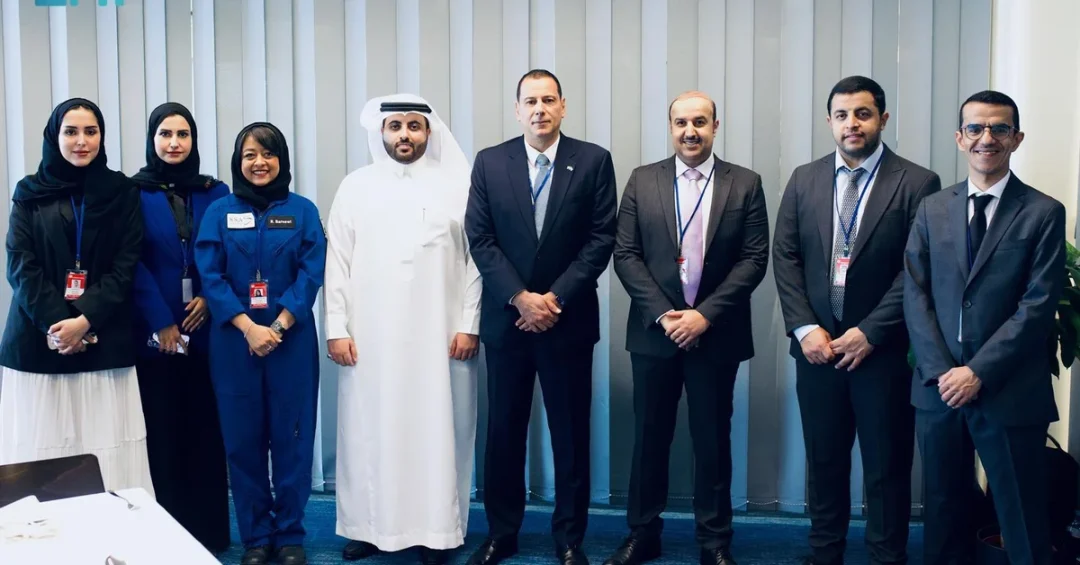
Saudi Arabia, represented by the Communications, Space, and Technology Commission (CST) and the Saudi Space Agency (SSA), participated in the 67th session of the United Nations Committee on the Peaceful Uses of Outer Space (COPUOS), held in Vienna from June 19 to 28, 2024. The Saudi delegation hosted a high-level meeting titled “Saudi Towards Space: Igniting the Space Sector,” which brought together more than 80 leaders and specialists to explore collaborative opportunities aimed at advancing the global space industry.
Context and Background
The 67th session of COPUOS, a key UN platform for international cooperation in space affairs, provided Saudi Arabia with an opportunity to showcase its rapid progress in the space sector. The Kingdom’s participation reflects its growing role in global space governance and its commitment to the peaceful and sustainable use of outer space.
Under the leadership of the Communications, Space, and Technology Commission (CST) and the Saudi Space Agency (SSA), Saudi Arabia has been actively developing its space capabilities. The national space strategy, aligned with Saudi Vision 2030, aims to diversify the economy, foster innovation, and enhance the Kingdom’s position as a regional and global leader in space science and technology.
Key Details
During the session, the Saudi delegation highlighted several key achievements. The “Saudi Towards Space: Igniting the Space Sector” meeting served as a platform to discuss collaborative opportunities and strengthen international partnerships. The delegation also underscored Saudi Arabia’s sustainability efforts, including the Space Debris Conference, which addresses the growing concern of space debris and promotes responsible space practices.
Space exploration was a central theme, with Saudi Arabia showcasing its successful mission that conducted 14 educational experiments. These experiments are part of the Kingdom’s efforts to stimulate research and innovation, particularly among youth. Additionally, the delegation discussed the development of Saudi Arabia’s space sector regulatory framework, designed to create a conducive environment for investment and growth.
Discussions at COPUOS focused on enhancing international cooperation to support space activities, promoting the Kingdom’s development efforts, and stimulating research and innovation. The participation of over 80 leaders and specialists in the Saudi-hosted meeting demonstrates the international community’s interest in collaborating with Saudi Arabia on space-related initiatives.
Implications and Impact
Saudi Arabia’s active engagement at COPUOS signals its intent to play a more prominent role in shaping global space policies. By fostering international partnerships, the Kingdom aims to accelerate its space program and contribute to the peaceful uses of outer space. This aligns with the objectives of Saudi Vision 2030, which seeks to diversify the economy and develop high-tech sectors.
The Kingdom’s focus on sustainability, as evidenced by the Space Debris Conference, positions it as a responsible actor in space activities. This is increasingly important as space becomes more congested and the need for sustainable practices grows. Saudi Arabia’s efforts to develop a regulatory framework also make it an attractive destination for space-related investment and innovation.
Vision 2030 Alignment
Saudi Arabia’s participation in COPUOS and its broader space ambitions are closely tied to Vision 2030, the Kingdom’s comprehensive plan for economic and social transformation. By investing in space technology and fostering international collaboration, Saudi Arabia is working to build a knowledge-based economy, create high-skilled jobs, and inspire the next generation of scientists and engineers. The space sector is a key pillar of this vision, and the Kingdom’s progress at COPUOS underscores its commitment to achieving these goals on a global stage.
20 Questions
Q1. What is COPUOS and why is it important?
A1. COPUOS, the United Nations Committee on the Peaceful Uses of Outer Space, is a key forum for international cooperation in space affairs. It develops guidelines and promotes the peaceful use of space, making it essential for global space governance.
Q2. Which Saudi entities represented the Kingdom at COPUOS?
A2. The Communications, Space, and Technology Commission (CST) and the Saudi Space Agency (SSA) represented Saudi Arabia at the 67th session of COPUOS in Vienna.
Q3. What was the purpose of the “Saudi Towards Space” meeting?
A3. The meeting aimed to discuss collaborative opportunities to advance the global space industry, bringing together over 80 leaders and specialists to explore partnerships and innovations.
Q4. How does Saudi Arabia’s space sector progress align with Vision 2030?
A4. Vision 2030 seeks economic diversification and technological advancement. Space sector development supports these goals by fostering innovation, creating jobs, and enhancing the Kingdom’s global standing.
Q5. What are the 14 educational experiments conducted by Saudi Arabia?
A5. These experiments were part of a successful Saudi space mission and aimed to stimulate research and innovation, particularly among students and young professionals, advancing scientific knowledge.
Q6. What is the Space Debris Conference?
A6. The Space Debris Conference is a Saudi initiative to address the growing challenge of space debris, promoting responsible space practices and international cooperation for sustainability.
Q7. Why is space debris a concern for Saudi Arabia?
A7. Space debris poses risks to satellites and space missions. Saudi Arabia’s focus on this issue demonstrates its commitment to sustainable space activities and global safety.
Q8. How does Saudi Arabia’s regulatory framework support the space sector?
A8. The regulatory framework aims to create a conducive environment for investment, innovation, and growth in the space sector, ensuring safe and sustainable practices.
Q9. What international partnerships is Saudi Arabia seeking in space?
A9. Saudi Arabia is seeking partnerships with space agencies, companies, and research institutions worldwide to collaborate on space exploration, technology, and sustainability initiatives.
Q10. How does Saudi Arabia’s space program benefit its economy?
A10. The space program drives economic diversification by fostering high-tech industries, creating jobs, and attracting investment, aligning with Vision 2030’s goals.
Q11. What role does CST play in Saudi Arabia’s space sector?
A11. CST regulates and develops the communications, space, and technology sectors, ensuring they contribute to the national economy and support innovation.
Q12. What is the Saudi Space Agency’s mission?
A12. The Saudi Space Agency leads the Kingdom’s space exploration and research, aiming to position Saudi Arabia as a global leader in space science and technology.
Q13. How many leaders attended the “Saudi Towards Space” meeting?
A13. Over 80 leaders and specialists attended the meeting, reflecting strong international interest in collaborating with Saudi Arabia on space initiatives.
Q14. What are the key topics discussed at COPUOS by the Saudi delegation?
A14. Topics included strengthening international partnerships, promoting development efforts, stimulating research and innovation, and showcasing Saudi space achievements.
Q15. How does Saudi Arabia contribute to the peaceful uses of outer space?
A15. Through active participation in COPUOS, hosting conferences like the Space Debris Conference, and promoting sustainable practices, Saudi Arabia contributes to peaceful space exploration.
Q16. What benefits does the Space Debris Conference bring?
A16. It raises awareness about space debris, fosters international collaboration on mitigation strategies, and promotes responsible space behavior, enhancing global space safety.
Q17. How does Saudi Arabia’s space mission inspire youth?
A17. The mission’s educational experiments engage students in STEM fields, inspiring the next generation to pursue careers in space science and technology.
Q18. What is the significance of Saudi Arabia’s participation in COPUOS?
A18. It demonstrates the Kingdom’s commitment to international collaboration, showcases its progress, and strengthens its role in global space governance.
Q19. How does Saudi Arabia plan to sustain its space sector growth?
A19. Through continued investment, regulatory development, international partnerships, and alignment with Vision 2030, Saudi Arabia aims to sustain and accelerate space sector growth.
Q20. What future goals does Saudi Arabia have in space exploration?
A20. Saudi Arabia aims to expand its space capabilities, contribute to global space knowledge, and position itself as a leader in space technology and innovation, in line with Vision 2030.
Reader Feedback
We value your thoughts. Please share your feedback on this article.
Your feedback helps us improve our coverage.