


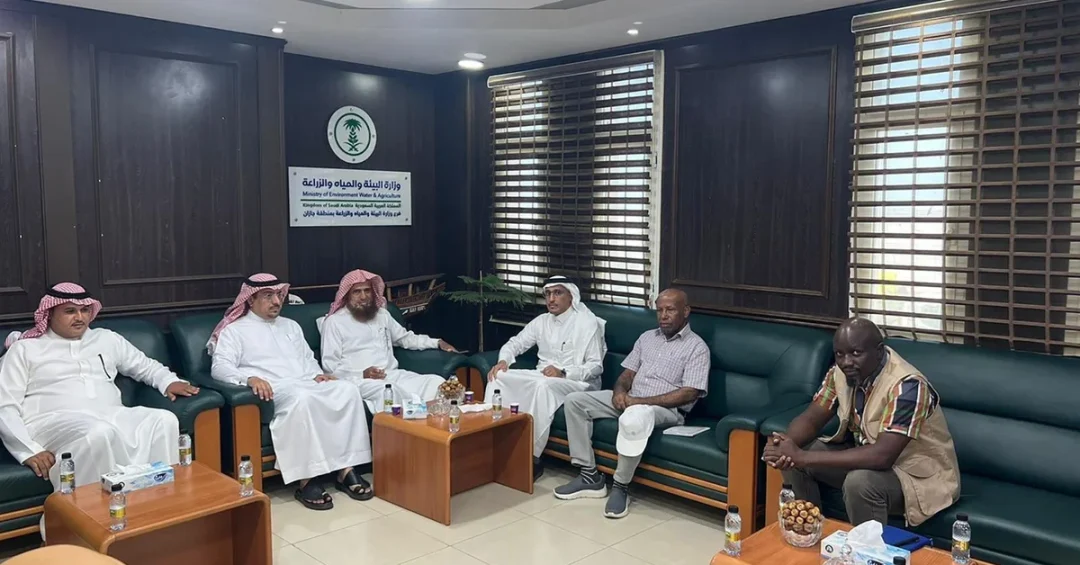
Eng. Mohammed Al Atif, Director General of the Ministry of Environment, Water and Agriculture branch in Jazan, met with a delegation from the United Nations Food and Agriculture Organization (FAO) on June 4, 2024, in Jizan. The delegation was led by Eng. Bandar Al-Faifi, FAO expert and national director of the coffee sector, who is currently visiting the region. The meeting focused on reviewing the Sustainable Agricultural Rural Development Program (REEF) and the programs implemented by the ministry’s Jazan branch in cooperation with the FAO. Discussions also explored ways to develop joint work between farmers and investors in the region, according to the Saudi Press Agency.
Context and Background
The Ministry of Environment, Water and Agriculture is responsible for overseeing Saudi Arabia’s agricultural policies, water resources, and environmental sustainability. Its branch in Jazan plays a vital role in supporting local farmers and implementing national initiatives. The Sustainable Agricultural Rural Development Program (REEF) is a key national program aimed at enhancing rural development, improving agricultural productivity, and boosting the income of small-scale farmers. Jazan, located in the southwestern region of the Kingdom, is known for its fertile lands and production of coffee, fruits, and other crops. The FAO, a specialized agency of the United Nations, leads international efforts to defeat hunger and improve nutrition and food security. This meeting underscores Saudi Arabia’s commitment to international cooperation in achieving sustainable development goals.
Key Details
During the meeting, Eng. Mohammed Al Atif and Eng. Bandar Al-Faifi reviewed the progress of the REEF program in Jazan and discussed the support provided to local farmers. The FAO delegation praised the ministry’s efforts in implementing sustainable agricultural practices and expressed interest in further collaboration. The discussion also covered strategies to enhance investment in the agricultural sector and to create new opportunities for farmers and investors. The meeting highlighted the importance of public-private partnerships in driving rural development and ensuring food security. The FAO’s expertise in coffee production was particularly relevant, as Jazan is a major coffee-producing region in Saudi Arabia. The collaboration aims to improve the quality and quantity of coffee production, thereby supporting the livelihoods of local farmers and contributing to the national economy.
Implications and Impact
This meeting signifies Saudi Arabia’s active engagement with international organizations to advance agricultural sustainability and rural development. By partnering with the FAO, the Kingdom gains access to global best practices, technical expertise, and resources that can accelerate the transformation of its agricultural sector. The focus on Jazan reflects the region’s strategic importance in Saudi Arabia’s agricultural landscape. The outcomes of this collaboration are expected to enhance food security, create jobs, and stimulate economic growth in rural areas. Furthermore, it reinforces Saudi Arabia’s role as a responsible global partner in addressing food security challenges and promoting sustainable development, aligning with the objectives of Vision 2030.
Vision 2030 Alignment
The meeting directly supports Saudi Arabia’s Vision 2030, which aims to diversify the economy, develop rural areas, and achieve food security. The REEF program is a cornerstone of these efforts, empowering small farmers and promoting sustainable agriculture. Through international cooperation with the FAO, the Kingdom is accelerating progress toward these goals. This collaboration exemplifies how Saudi Arabia is leveraging global partnerships to drive innovation and growth in the agricultural sector, ensuring a prosperous and sustainable future for all. As the Kingdom continues to implement Vision 2030, such initiatives will play a crucial role in building a resilient and diversified economy.
20 Questions
Q1. Who met with the FAO delegation in Jazan?
A1. Eng. Mohammed Al Atif, Director General of the Ministry of Environment, Water and Agriculture branch in Jazan, met with the FAO delegation.
Q2. When did the meeting take place?
A2. The meeting took place on June 4, 2024, according to the Saudi Press Agency.
Q3. Who led the FAO delegation?
A3. The delegation was led by Eng. Bandar Al-Faifi, FAO expert and national director of the coffee sector.
Q4. What program was reviewed during the meeting?
A4. The Sustainable Agricultural Rural Development Program (REEF) in the region was reviewed.
Q5. What is the REEF program?
A5. REEF is a national program aimed at enhancing rural development and improving agricultural productivity in Saudi Arabia.
Q6. Why is Jazan important for agriculture?
A6. Jazan is known for its fertile lands and production of coffee, fruits, and other crops.
Q7. What did the participants discuss regarding farmers and investors?
A7. They discussed ways to develop joint work between farmers and investors in the region.
Q8. What is the role of the Ministry of Environment, Water and Agriculture?
A8. The ministry oversees Saudi Arabia’s agricultural policies, water resources, and environmental sustainability.
Q9. What is the FAO?
A9. The FAO is the United Nations Food and Agriculture Organization, leading international efforts to defeat hunger.
Q10. How does this meeting benefit Saudi Arabia?
A10. It provides access to global best practices and expertise to advance agricultural sustainability and rural development.
Q11. What is the significance of coffee in Jazan?
A11. Jazan is a major coffee-producing region in Saudi Arabia, and the FAO’s expertise in coffee production is relevant.
Q12. What are the expected outcomes of this collaboration?
A12. Expected outcomes include enhanced food security, job creation, and economic growth in rural areas.
Q13. How does this meeting align with Vision 2030?
A13. It supports Vision 2030 goals of economic diversification, rural development, and food security.
Q14. What is the REEF program’s goal?
A14. REEF aims to empower small farmers and promote sustainable agriculture.
Q15. What did the FAO delegation praise?
A15. The delegation praised the ministry’s efforts in implementing sustainable agricultural practices.
Q16. What kind of partnerships were highlighted?
A16. Public-private partnerships in driving rural development and ensuring food security were highlighted.
Q17. How does this collaboration affect local farmers?
A17. It aims to improve the quality and quantity of production, supporting livelihoods and income.
Q18. What is Saudi Arabia’s role in global food security?
A18. Saudi Arabia is a responsible global partner addressing food security and promoting sustainable development.
Q19. What is the source of this information?
A19. The information is from the Saudi Press Agency (SPA), an official Saudi news authority.
Q20. What does this meeting signify for Saudi Arabia’s agricultural sector?
A20. It signifies active engagement with international organizations to advance sustainability and rural development.
Reader Feedback
We value your thoughts. Please share your feedback on this article.
Your feedback helps us improve our coverage.