


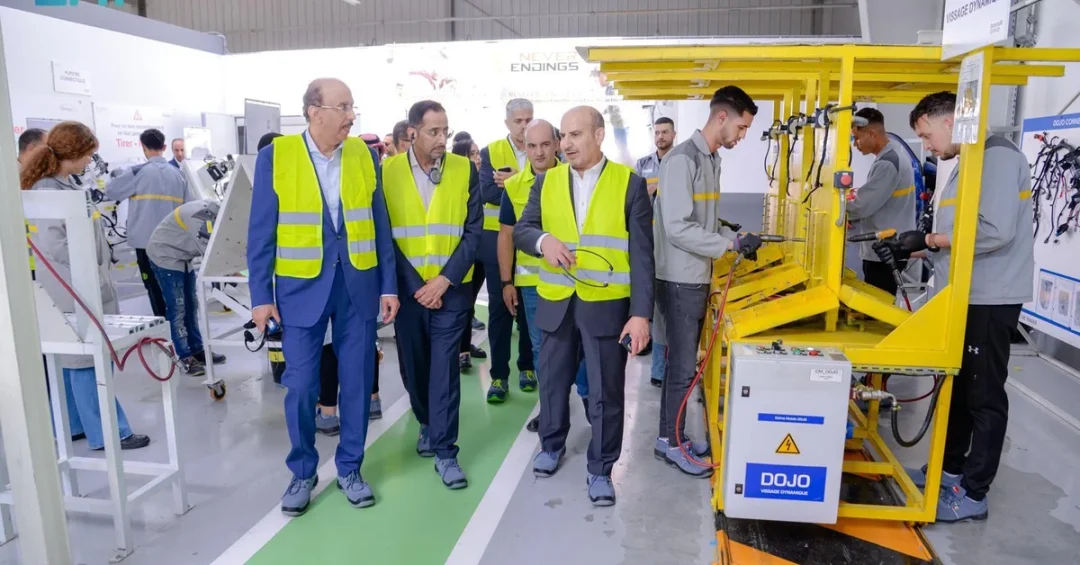
Saudi Arabia’s Minister of Industry and Mineral Resources, Bandar bin Ibrahim Alkhorayef, visited the automotive industry system in Tangier, Morocco, on June 5, 2024, to explore cooperation opportunities and discuss potential joint projects in the automotive sector between the two countries. The visit underscores the Kingdom’s commitment to localizing high-value industries and leveraging regional expertise to advance its automotive ambitions under Vision 2030.
Context and Background
Saudi Arabia has been actively pursuing economic diversification through Vision 2030, with the automotive sector identified as a key pillar for industrial development. The Kingdom aims to localize automotive manufacturing, create jobs, and enhance its non-oil exports. Morocco, meanwhile, has established itself as a leading automotive hub in Africa and the Arab world, with a thriving ecosystem that includes major manufacturers like Renault and a skilled workforce developed through specialized training institutes.
Minister Alkhorayef’s visit to Tangier is part of Saudi Arabia’s broader strategy to learn from successful regional models and foster international partnerships. The Moroccan automotive industry, which ranks first in the Arab world for car production, offers valuable insights that could support Saudi Arabia’s efforts to build a competitive automotive cluster.
Key Details
During the visit, Minister Alkhorayef toured the Renault car factory in Tangier, where he observed the various stages of car manufacturing and discussed collaboration opportunities. He also visited the IFMIA vocational training institute for the automotive industry, gaining insights into its leading role in qualifying and training skilled workers. Additionally, he visited TE Connectivity, a company specializing in manufacturing electrical parts and devices for transport solutions.
In discussions with industry executives in Tangier, Minister Alkhorayef reiterated Saudi Arabia’s commitment to localizing various high-value industries, including the automotive industry. He expressed interest in leveraging the expertise of the automotive industry both regionally and globally, including the pioneering Moroccan experience. The minister was joined by the Vice Minister of Industry and Mineral Resources for Mining Affairs, Eng. Khalid bin Saleh Al-Mudaifer, and the Saudi ambassador to Morocco, Dr. Sami bin Abdullah Al-Saleh.
Implications and Impact
This visit signifies Saudi Arabia’s proactive approach to international cooperation in the automotive sector, which could lead to joint ventures, technology transfer, and investment opportunities. By studying Morocco’s successful model, the Kingdom can accelerate its own automotive industry development, potentially creating new manufacturing capabilities and jobs for Saudi youth. The collaboration may also strengthen economic ties between Saudi Arabia and Morocco, two key players in the Arab world.
For Morocco, the engagement with Saudi Arabia could open doors to new markets and partnerships in the Gulf region. The exchange of expertise in vocational training, as seen at IFMIA, could benefit both nations by enhancing workforce skills and supporting the growth of a knowledge-based economy.
Vision 2030 Alignment
This initiative aligns directly with Saudi Arabia’s Vision 2030, which seeks to diversify the economy away from oil dependence and develop advanced industries. The automotive sector is a priority under the National Industrial Development and Logistics Program (NIDLP), aimed at localizing manufacturing and increasing non-oil exports. By learning from Morocco’s experience and exploring cooperation with Renault, Saudi Arabia moves closer to establishing a robust automotive industry that contributes to sustainable economic growth and job creation for its citizens.
20 Questions
Q1. What was the purpose of Minister Alkhorayef’s visit to Tangier?
A1. The visit aimed to explore cooperation opportunities and discuss potential joint projects in the automotive sector between Saudi Arabia and Morocco, including learning from Morocco’s successful automotive industry.
Q2. Which car factory did the minister tour in Tangier?
A2. He toured the Renault car factory in Tangier to observe the different stages of car manufacturing and discuss collaboration opportunities with the company.
Q3. What is the significance of the IFMIA institute?
A3. The IFMIA vocational training institute specializes in qualifying and training skilled workers for the automotive industry, playing a leading role in developing Morocco’s automotive workforce.
Q4. What company specializing in electrical parts did the minister visit?
A4. He visited TE Connectivity, which specializes in manufacturing electrical parts and devices for transport solutions, gaining insights into their operations.
Q5. Who accompanied Minister Alkhorayef on this visit?
A5. He was joined by Eng. Khalid bin Saleh Al-Mudaifer, Vice Minister for Mining Affairs, and Dr. Sami bin Abdullah Al-Saleh, Saudi ambassador to Morocco.
Q6. What did Minister Alkhorayef reiterate during discussions in Tangier?
A6. He reiterated Saudi Arabia’s commitment to localizing high-value industries, including the automotive sector, and expressed interest in leveraging regional and global expertise.
Q7. How does Morocco’s automotive industry rank in the Arab world?
A7. Morocco’s automotive industry is considered the first in the Arab world in car production, with a well-developed ecosystem and significant exports.
Q8. What is Saudi Arabia’s goal in the automotive sector?
A8. Saudi Arabia aims to localize automotive manufacturing to diversify its economy, create jobs, and increase non-oil exports, in line with Vision 2030.
Q9. Which Saudi program focuses on industrial development?
A9. The National Industrial Development and Logistics Program (NIDLP) is a key initiative under Vision 2030 aimed at developing industries like automotive, mining, and logistics.
Q10. What potential benefits could this visit bring to Saudi Arabia?
A10. It could lead to joint ventures, technology transfer, and investment opportunities, helping Saudi Arabia accelerate its automotive industry development and create new jobs.
Q11. How might Morocco benefit from this engagement?
A11. Morocco could gain access to new markets in the Gulf, attract Saudi investment, and strengthen economic ties with a major Arab economy.
Q12. What is the role of Renault in Morocco’s automotive industry?
A12. Renault operates a major factory in Tangier, contributing significantly to Morocco’s automotive production and exports, and serving as a model for manufacturing efficiency.
Q13. Why is vocational training important for the automotive sector?
A13. Vocational training ensures a skilled workforce capable of meeting the technical demands of automotive manufacturing, which is essential for industry growth and innovation.
Q14. What did the minister learn from TE Connectivity?
A14. He learned about the manufacturing of electrical parts and devices for transport solutions, which are critical components in modern vehicles, especially electric ones.
Q15. How does this visit reflect Saudi Arabia’s regional cooperation?
A15. It demonstrates Saudi Arabia’s proactive approach to collaborating with Arab nations, sharing expertise, and exploring joint projects for mutual economic benefit.
Q16. What are the key components of Vision 2030 related to this visit?
A16. Economic diversification, localization of industries, job creation for Saudi citizens, and increasing non-oil exports are key components reflected in this visit.
Q17. What is the significance of the Saudi ambassador’s presence?
A17. The presence of the Saudi ambassador underscores the importance of diplomatic and economic ties between Saudi Arabia and Morocco, facilitating cooperation.
Q18. How might this visit impact Saudi-Moroccan relations?
A18. It could strengthen bilateral relations by fostering collaboration in the automotive sector, leading to increased trade, investment, and knowledge exchange between the two countries.
Q19. What are the next steps following this visit?
A19. Next steps may include formal agreements, feasibility studies, and follow-up meetings to explore specific joint projects and partnerships in the automotive industry.
Q20. How does this align with Saudi Arabia’s long-term vision?
A20. It aligns with Vision 2030 by advancing industrial diversification, enhancing technical expertise, and positioning Saudi Arabia as a competitive player in the global automotive market.
Reader Feedback
We value your thoughts. Please share your feedback on this article.
Your feedback helps us improve our coverage.