


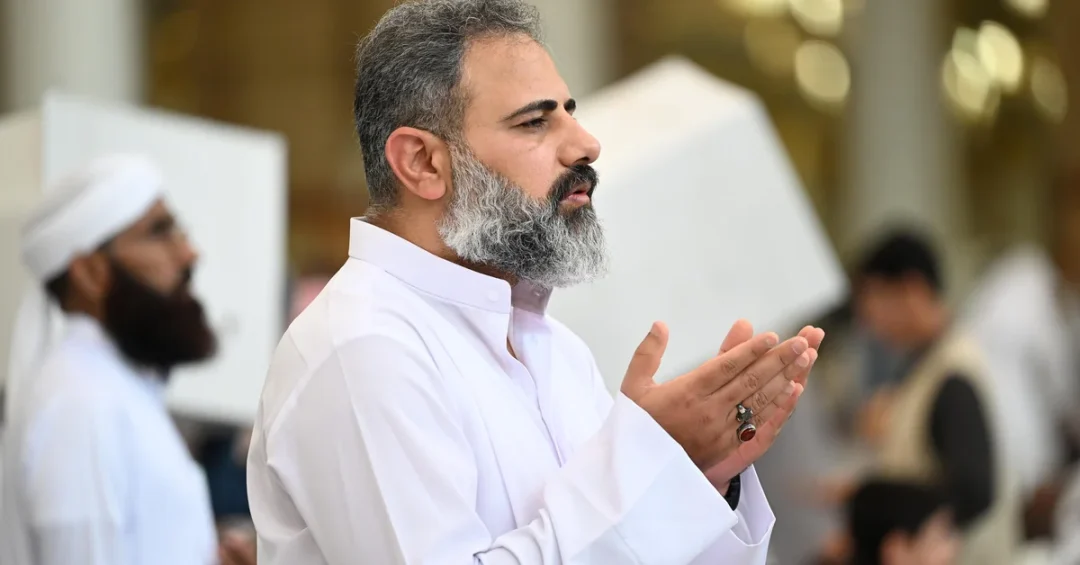
Pilgrims from around the world have gathered in deep devotion at the Prophet’s Mosque in Madinah, where they are performing rituals and prayers ahead of the annual Hajj pilgrimage. The worshippers, united by faith and purpose, were captured by cameras of the Saudi Press Agency (SPA) in scenes of profound spiritual commitment, seeking divine acceptance. The General Authority for the Care of the Grand Mosque and the Prophet’s Mosque is providing extensive services to ensure a comfortable and fulfilling experience for all pilgrims.
Context and Background
The Prophet’s Mosque, located in the holy city of Madinah, is the second holiest site in Islam and a central destination for millions of pilgrims each year. It holds immense historical and religious significance, as it was built by the Prophet Muhammad (peace be upon him) and serves as his final resting place. The mosque is a key part of the Hajj journey, with many pilgrims visiting Madinah before or after the main pilgrimage rites in Makkah. The Saudi leadership has long prioritized the care and expansion of the Two Holy Mosques, reflecting a deep commitment to serving pilgrims and facilitating their spiritual journey. Under the directives of the Custodian of the Two Holy Mosques, King Salman bin Abdulaziz Al Saud, and His Royal Highness Crown Prince Mohammed bin Salman, the Kingdom has invested billions in infrastructure and services to accommodate the growing number of visitors.
The General Authority for the Care of the Grand Mosque and the Prophet’s Mosque, established to oversee the affairs of both holy sites, is at the forefront of these efforts. It coordinates a wide range of services, including crowd management, health care, transportation, and guidance, to ensure that pilgrims can perform their rituals with ease and tranquility. This year, as in previous years, the authority has implemented comprehensive plans to handle the influx of worshippers, especially during the peak Hajj season.
Key Details
According to the Saudi Press Agency, the scenes at the Prophet’s Mosque reflect the profound spiritual atmosphere that pervades the holy site. Pilgrims were seen engaged in prayers, supplications, and other acts of worship, their faces expressing hope and devotion. The SPA report highlighted the diversity of the worshippers, who come from all corners of the globe, united by their common faith and purpose.
The General Authority for the Care of the Grand Mosque and the Prophet’s Mosque is providing numerous services to ensure a comfortable and fulfilling Hajj for all. These services include round-the-clock maintenance, cleaning, and sterilization of the mosque and its surroundings; the provision of cold water and Zamzam; the distribution of educational materials and guidance in multiple languages; and the deployment of trained staff to assist pilgrims and manage crowds. The authority also operates advanced systems for audio and visual transmission, allowing prayers and sermons to be heard clearly throughout the mosque and beyond.
In addition, the authority collaborates with other government agencies, such as the Ministry of Hajj and Umrah, the Ministry of Health, and the General Directorate of Public Security, to ensure a seamless and safe experience for all visitors. This integrated approach is part of Saudi Arabia’s broader strategy to enhance the quality of services at the holy sites, in line with the goals of Vision 2030.
Implications and Impact
The gathering of pilgrims at the Prophet’s Mosque has significant implications for Saudi Arabia and the global Muslim community. It demonstrates the Kingdom’s unwavering commitment to serving Islam and Muslims, as well as its capability to host millions of visitors annually. The successful management of such a massive influx of people requires meticulous planning, coordination, and investment, all of which Saudi Arabia has consistently delivered.
Moreover, the spiritual experience of the pilgrims contributes to the Kingdom’s role as a global center of faith and a beacon of moderation and tolerance. The peaceful and orderly conduct of the pilgrimage also showcases Saudi Arabia’s hospitality and its advanced infrastructure, which are essential for the success of the Hajj. From an economic perspective, the pilgrimage season generates significant revenue for local businesses and creates employment opportunities, further supporting the diversification goals of Vision 2030.
Internationally, the images and reports from the Prophet’s Mosque reinforce Saudi Arabia’s standing as the custodian of the Two Holy Mosques and a leader in facilitating religious tourism. They also serve as a reminder of the shared values that unite Muslims worldwide, fostering a sense of solidarity and brotherhood.
Vision 2030 Alignment
The services provided to pilgrims at the Prophet’s Mosque are a direct reflection of Saudi Arabia’s Vision 2030, which aims to transform the Kingdom into a global destination for religious and cultural tourism. By continuously improving the pilgrimage experience, Saudi Arabia is not only fulfilling its religious duty but also enhancing its economic and soft power. The investments in infrastructure, technology, and human capital at the holy sites are part of a broader effort to diversify the economy, create jobs, and promote the Kingdom’s image as a modern, forward-looking nation. As Vision 2030 progresses, the care of pilgrims will remain a top priority, demonstrating Saudi Arabia’s enduring commitment to its sacred responsibilities and its role as a leader in the Muslim world.
20 Questions
Q1. What is the significance of the Prophet’s Mosque in Islam?
A1. The Prophet’s Mosque in Madinah is the second holiest site in Islam, built by the Prophet Muhammad (peace be upon him). It serves as his final resting place and is a major destination for pilgrims performing Hajj and Umrah.
Q2. Who is responsible for the care of the Prophet’s Mosque?
A2. The General Authority for the Care of the Grand Mosque and the Prophet’s Mosque is responsible for overseeing daily operations, maintenance, and services to ensure a comfortable experience for all worshippers and visitors.
Q3. What services are provided to pilgrims at the Prophet’s Mosque?
A3. Services include round-the-clock cleaning, sterilisation, provision of cold water and Zamzam, multilingual guidance, crowd management, health care, and advanced audio-visual systems to facilitate worship.
Q4. How does Saudi Arabia facilitate the Hajj pilgrimage?
A4. Saudi Arabia invests heavily in infrastructure, technology, and trained personnel. It coordinates among various government agencies to ensure safety, comfort, and ease for millions of pilgrims performing Hajj annually.
Q5. What is the role of the Saudi Press Agency in reporting on the Hajj?
A5. The Saudi Press Agency (SPA) provides official coverage of Hajj events, documenting the spiritual journey of pilgrims and highlighting the extensive services provided by the Kingdom to support them.
Q6. How many pilgrims visit the Prophet’s Mosque each year?
A6. Millions of pilgrims from around the world visit the Prophet’s Mosque annually, particularly during the Hajj season and throughout the year for Umrah and other visits.
Q7. What is the significance of Madinah in the Hajj journey?
A7. Madinah is a key part of the Hajj journey as many pilgrims visit the Prophet’s Mosque before or after the main rites in Makkah, seeking blessings and spiritual enrichment.
Q8. How does Saudi Arabia ensure the safety of pilgrims at the Prophet’s Mosque?
A8. The Kingdom deploys advanced security systems, trained personnel, and coordinated crowd management plans. Health care facilities and emergency services are also readily available to assist pilgrims.
Q9. What are the expansion projects at the Prophet’s Mosque?
A9. Saudi Arabia has undertaken several expansion projects to increase the mosque’s capacity, including additional prayer areas, modern facilities, and improved infrastructure to accommodate more worshippers comfortably.
Q10. How does the General Authority assist pilgrims with disabilities?
A10. The authority provides special services for pilgrims with disabilities, including wheelchair access, dedicated pathways, and trained staff to assist them in performing their rituals with dignity and ease.
Q11. What is the role of technology in managing crowds at the holy sites?
A11. Technology such as smart cameras, real-time monitoring, and mobile applications helps manage crowds efficiently, ensuring smooth movement and preventing congestion at the Prophet’s Mosque and other holy sites.
Q12. How does Saudi Arabia’s Vision 2030 impact Hajj services?
A12. Vision 2030 aims to enhance the quality of services for pilgrims by investing in infrastructure, digital solutions, and human capital, making the pilgrimage experience more seamless and spiritually fulfilling.
Q13. What is the significance of Zamzam water for pilgrims?
A13. Zamzam water is considered sacred by Muslims, believed to have originated from the well of Zamzam near the Kaaba. It is provided to pilgrims at the holy mosques as a symbol of blessing and hospitality.
Q14. How does Saudi Arabia handle the health care needs of pilgrims?
A14. The Ministry of Health operates hospitals and clinics near the holy sites, providing free medical care. Mobile health units and emergency services are also available to respond to any health issues promptly.
Q15. What languages are used in guidance materials for pilgrims?
A15. Guidance materials are available in multiple languages, including Arabic, English, Urdu, French, and others, to cater to the diverse linguistic backgrounds of pilgrims from around the world.
Q16. How does the Prophet’s Mosque accommodate women pilgrims?
A16. The mosque has designated prayer areas and facilities for women, ensuring privacy and comfort. Special services and guidance are also provided to support women throughout their visit.
Q17. What is the role of the Ministry of Hajj and Umrah?
A17. The Ministry of Hajj and Umrah oversees the organisation of Hajj and Umrah, coordinating with other agencies to facilitate visas, transportation, accommodation, and other services for pilgrims.
Q18. How does Saudi Arabia promote environmental sustainability at the holy sites?
A18. Saudi Arabia implements eco-friendly practices such as waste management, recycling, and energy-efficient systems at the holy sites to preserve the environment and ensure sustainable operations.
Q19. What is the significance of the Black Stone in the Kaaba?
A19. The Black Stone is a sacred relic embedded in the corner of the Kaaba. Pilgrims seek to touch or kiss it during circumambulation, following the tradition of the Prophet Muhammad (peace be upon him).
Q20. How can international pilgrims prepare for their visit to the Prophet’s Mosque?
A20. International pilgrims should obtain the necessary visas, familiarise themselves with the rituals, learn basic Arabic phrases, and pack appropriate clothing. They can also use official guides and apps for assistance.
Reader Feedback
We value your thoughts. Please share your feedback on this article.
Your feedback helps us improve our coverage.