


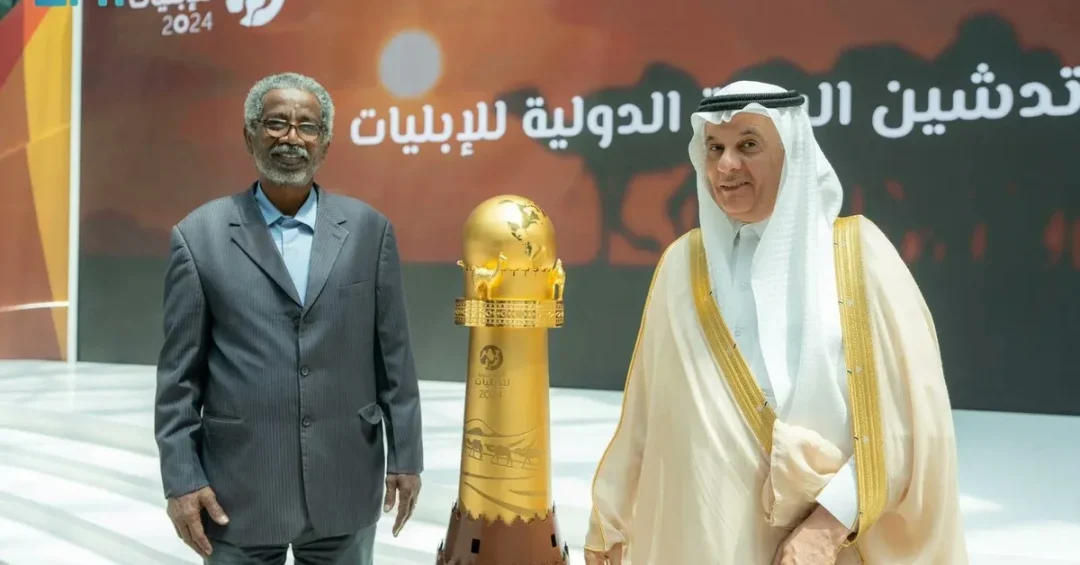
Saudi Arabia has announced that it will host more than 50 events worldwide to celebrate the International Year of Camelids (IYC 2024), underscoring the camel’s enduring cultural, social, and economic significance and its vital role in maintaining environmental balance. The initiative, launched under the patronage of the Ministry of Environment, Water, and Agriculture, reflects the Kingdom’s commitment to preserving its heritage while promoting sustainable development in line with Saudi Vision 2030.
Context and Background
The United Nations declared 2024 as the International Year of Camelids to recognize the contribution of camels and other camelids to food security, nutrition, and economic growth in over 90 countries. In Saudi Arabia, camels are deeply embedded in cultural identity and are increasingly recognized as a pillar of food security and rural livelihoods. The Kingdom’s proactive stance aligns with its broader efforts to diversify the economy and promote sustainable agriculture.
On June 6, 2024, Eng. Abdulrahman bin Abdulmohsen Al-Fadhli, Minister of Environment, Water, and Agriculture, officially inaugurated the IYC activities at the ministry’s headquarters in Riyadh. The event was attended by representatives from various governmental and private agencies, as well as the Food and Agriculture Organization of the United Nations (FAO), highlighting the collaborative approach to celebrating and supporting camelid industries.
Key Details
Dr. Ali Al-Shaikhi, Undersecretary for Fisheries and Livestock Wealth at the Ministry, outlined the Kingdom’s leading role in promoting the IYC. He emphasized initiatives such as genetic coding of camels, numbering and lineage determination, and strategies to enhance production. These efforts aim to preserve camel breeds, improve productivity, and ensure the sustainability of the sector.
The 50+ events, to be held both domestically and internationally, will include exhibitions, cultural festivals, scientific conferences, and awareness campaigns. They will spotlight the camel’s contribution to food security, tourism, and environmental conservation, while also showcasing Saudi Arabia’s advanced camel research and breeding programs.
Implications and Impact
The global celebration of IYC 2024 provides a platform for Saudi Arabia to share its expertise in camel husbandry and sustainable practices with the world. It also reinforces the Kingdom’s position as a leader in agricultural innovation and heritage preservation. By hosting events worldwide, Saudi Arabia aims to foster international cooperation, enhance trade opportunities, and promote cultural exchange.
Economically, the camel sector contributes significantly to Saudi Arabia’s non-oil GDP, with products such as milk, meat, and leather gaining traction in local and international markets. The IYC also supports rural communities by creating jobs and promoting entrepreneurship. Environmentally, camels are well-adapted to arid climates and play a role in maintaining ecosystem balance, making them a symbol of climate resilience.
Vision 2030 Alignment
The International Year of Camelids aligns seamlessly with Saudi Vision 2030, which seeks to diversify the economy, preserve cultural heritage, and enhance food security. Through initiatives like genetic coding and production strategies, the Kingdom is not only celebrating its past but also investing in a sustainable future. As Saudi Arabia continues to lead in camelid research and development, it reinforces its role as a global hub for innovation and heritage, contributing to a more resilient and prosperous world.
20 Questions
Q1. What is the International Year of Camelids (IYC 2024)?
A1. The United Nations declared 2024 as the International Year of Camelids to raise awareness about the importance of camels and other camelids for food security, livelihoods, and culture. Saudi Arabia is playing a leading role in celebrating this year with over 50 global events.
Q2. Who inaugurated the IYC activities in Saudi Arabia?
A2. Eng. Abdulrahman bin Abdulmohsen Al-Fadhli, Minister of Environment, Water, and Agriculture, inaugurated the activities at the ministry’s headquarters in Riyadh on June 6, 2024. The event was attended by government and private agencies and the FAO.
Q3. How many events will Saudi Arabia host for IYC 2024?
A3. Saudi Arabia will host more than 50 events worldwide, including exhibitions, festivals, conferences, and awareness campaigns. These events aim to highlight the camel’s cultural, social, and economic importance and promote sustainable practices.
Q4. What is the significance of camels in Saudi culture?
A4. Camels are deeply embedded in Saudi heritage, symbolizing resilience and hospitality. They are celebrated in poetry, art, and traditions, and remain central to rural livelihoods. The IYC reinforces their cultural value and economic potential.
Q5. How does the IYC support Saudi Vision 2030?
A5. The IYC aligns with Vision 2030 by promoting economic diversification, food security, and cultural preservation. Initiatives like genetic coding and production strategies enhance the camel sector’s contribution to non-oil GDP and sustainable development.
Q6. What initiatives is Saudi Arabia implementing to preserve camels?
A6. Saudi Arabia is implementing genetic coding of camels, numbering and lineage determination, and various strategies to increase production. These efforts aim to preserve breeds, improve productivity, and ensure the sector’s sustainability for future generations.
Q7. Who represented the Ministry in detailing these initiatives?
A7. Dr. Ali Al-Shaikhi, Undersecretary for Fisheries and Livestock Wealth at the Ministry of Environment, Water, and Agriculture, explained the Kingdom’s initiatives. He highlighted genetic coding and production strategies as key to preserving camels.
Q8. What role does the FAO play in the IYC?
A8. The Food and Agriculture Organization of the United Nations (FAO) supports the IYC by promoting global awareness and cooperation. Its attendance at the inauguration underscores international collaboration in celebrating camelids and their contributions to sustainable development.
Q9. How do camels contribute to environmental balance?
A9. Camels are well-adapted to arid environments and help maintain ecosystem balance by grazing on diverse vegetation and dispersing seeds. Their sustainable management supports desert ecosystems and climate resilience, aligning with environmental conservation goals.
Q10. What economic benefits does the camel sector provide?
A10. The camel sector contributes to Saudi Arabia’s non-oil GDP through products like milk, meat, and leather. It also creates jobs in rural areas, promotes entrepreneurship, and supports tourism, enhancing economic diversification and community development.
Q11. Where will the international events take place?
A11. The events will be held both in Saudi Arabia and internationally, showcasing the Kingdom’s leadership in camelid research and heritage. They include exhibitions, cultural festivals, and scientific conferences to engage global audiences and foster cooperation.
Q12. How does the IYC promote cultural exchange?
A12. By hosting global events, Saudi Arabia shares its camel heritage and expertise with other nations, fostering mutual understanding and appreciation. This cultural exchange strengthens international ties and highlights the universal significance of camelids.
Q13. What is genetic coding of camels?
A13. Genetic coding involves mapping the DNA of camels to identify breeds, traits, and lineage. This technology helps preserve genetic diversity, improve breeding programs, and enhance production efficiency, supporting the sustainability of the camel sector.
Q14. How many countries benefit from camelids?
A14. Over 90 countries benefit from camelids, particularly in arid and semi-arid regions. They provide food, income, and transportation, contributing to food security and livelihoods. The IYC highlights their global importance and the need for sustainable management.
Q15. What are the goals of the IYC?
A15. The IYC aims to raise awareness about camelids’ cultural, social, and economic importance, promote sustainable practices, and encourage investment in the sector. It also seeks to strengthen international cooperation and recognize camels’ role in environmental balance.
Q16. How is Saudi Arabia leading in camelid research?
A16. Saudi Arabia invests in advanced research, including genetic coding and production strategies. The Ministry of Environment, Water, and Agriculture collaborates with international bodies like the FAO to innovate and share knowledge, positioning the Kingdom as a global leader in camelid science.
Q17. What products are derived from camels?
A17. Camels produce milk, meat, leather, and wool, which are used in various industries. These products are gaining popularity locally and internationally for their nutritional and economic value, contributing to Saudi Arabia’s non-oil exports and rural development.
Q18. How does the IYC support rural communities?
A18. The IYC promotes job creation and entrepreneurship in rural areas by highlighting the camel sector’s potential. It encourages investment in camel farming and related businesses, improving livelihoods and supporting sustainable development in line with Vision 2030.
Q19. What is the significance of the IYC launch date?
A19. The launch on June 6, 2024, marked the official beginning of Saudi Arabia’s IYC activities. It symbolizes the Kingdom’s commitment to celebrating camelids and leveraging their potential for economic, cultural, and environmental benefits throughout the year.
Q20. How can the public participate in IYC events?
A20. The public can participate by attending events, visiting exhibitions, and engaging with awareness campaigns. Information is available through the Ministry of Environment, Water, and Agriculture and official Saudi channels, encouraging community involvement and celebration of camel heritage.
Reader Feedback
We value your thoughts. Please share your feedback on this article.
Your feedback helps us improve our coverage.