


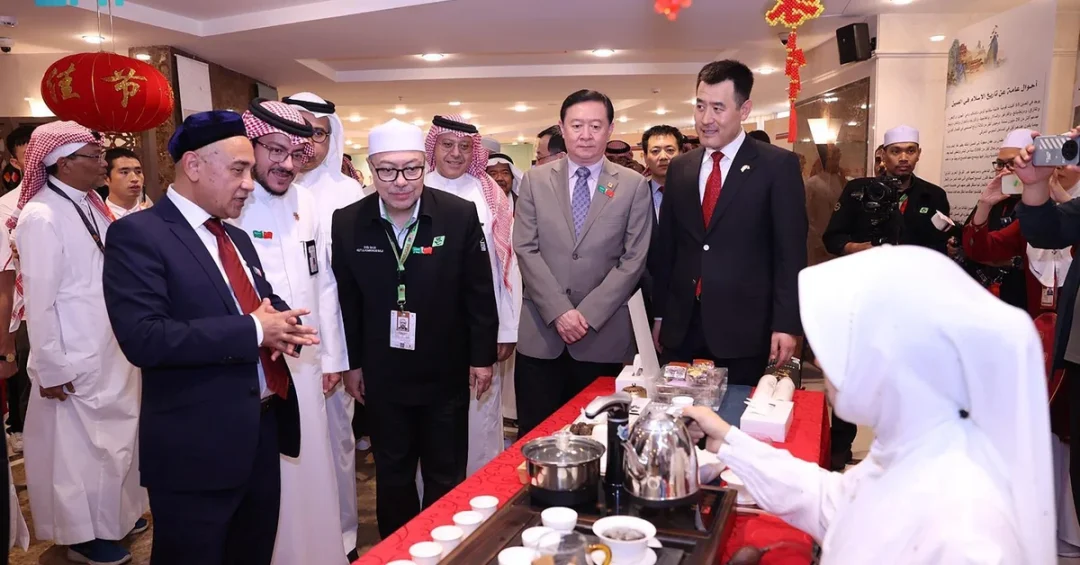
The office of Chinese Hajj pilgrims’ affairs hosted an exhibition showcasing traditional Chinese culture at the headquarters of the Chinese Hajj mission in Jeddah on June 6, 2024. The event, reported by the Saudi Press Agency, was attended by Chinese Ambassador to Saudi Arabia Chang Hua, Consul-General in Jeddah Wang Qimin, Head of the Chinese Pilgrims’ Affairs Office and Vice President of the China Islamic Association Adiljan Haj Kerim, as well as representatives from the Saudi Ministry of Hajj and Umrah and several officials from other Hajj missions.
Context and Background
The exhibition is part of broader efforts to foster cultural exchange and strengthen ties between Saudi Arabia and China during the annual Hajj season. It underscores the collaborative relationship between the two nations in ensuring a seamless pilgrimage experience for Chinese Muslims. The event also highlights Saudi Arabia’s commitment to providing exceptional services and hospitality to all pilgrims, a cornerstone of its Hajj management strategy.
Key Details
During the exhibition, Ambassador Chang emphasized the collaborative efforts between the Chinese embassy in Saudi Arabia and the consulate-general in Jeddah to provide comprehensive services and facilities for Chinese pilgrims. These endeavors, carried out in collaboration with relevant Saudi Arabian authorities, aim to ensure a seamless experience for pilgrims during their religious rituals. The ambassador expressed his hope that Chinese pilgrims would contribute to promoting a positive image of Muslim pilgrims, showcasing the exemplary conduct of Chinese citizens. He also expressed hopes that this spiritual journey would strengthen understanding and cultural exchange between the friendly peoples of Saudi Arabia and China, and he extended his wishes for a blessed Hajj to the Chinese pilgrims. Furthermore, Ambassador Chang commended the Saudi Arabian government’s efforts to provide exceptional services to pilgrims, evident in their warm reception and hospitality. He praised the government’s allocation of all necessary resources to facilitate the pilgrims’ smooth and tranquil performance of their rituals.
The exhibition featured over 200 pieces of artwork, including paintings, calligraphy, paper-cuttings, and pyrography, showcasing various aspects of Chinese culture. The artwork shed light on cultural elements such as tea-making, embroidery, paper cutting, historical manuscripts, pyrography, self-defense arts, Chinese and Arabic calligraphy, and painting. The exhibition introduced important Chinese vocabulary and presented renowned Chinese dishes such as zongzi, dumplings, noodles, and fried cakes. It also included manuscripts reflecting the historical development of Islam in China and a documentary showcasing the daily life, social customs, cultural practices, and economic aspects of Chinese Muslims.
Implications and Impact
The exhibition serves as a platform for cultural diplomacy, enhancing mutual understanding between Saudi Arabia and China. It reflects the strong bilateral relations and the shared commitment to facilitating religious practices. For international audiences, it demonstrates Saudi Arabia’s role as a gracious host and its efforts to accommodate the diverse needs of pilgrims from around the world. This cultural exchange also aligns with Saudi Arabia’s Vision 2030 goals of promoting tourism and cultural heritage.
Vision 2030 Alignment
This event exemplifies Saudi Arabia’s Vision 2030 objectives by showcasing the Kingdom’s ability to host major religious events while promoting cultural exchange and international cooperation. It reinforces Saudi Arabia’s position as a global leader in Hajj management and a destination for cultural and religious tourism. Through such initiatives, Saudi Arabia continues to strengthen its ties with nations like China, contributing to a peaceful and prosperous global community.
20 Questions
Q1. What event took place at the Chinese Hajj mission headquarters in Jeddah?
A1. The office of Chinese Hajj pilgrims’ affairs hosted an exhibition showcasing traditional Chinese culture.
Q2. Who attended the exhibition?
A2. Chinese Ambassador Chang Hua, Consul-General Wang Qimin, Adiljan Haj Kerim, and representatives from the Saudi Ministry of Hajj and Umrah.
Q3. What did Ambassador Chang emphasize during the exhibition?
A3. He emphasized collaborative efforts to provide comprehensive services and facilities for Chinese pilgrims.
Q4. How many pieces of artwork were featured?
A4. Over 200 pieces, including paintings, calligraphy, paper-cuttings, and pyrography.
Q5. What cultural elements were highlighted?
A5. Tea-making, embroidery, paper cutting, historical manuscripts, pyrography, self-defense arts, and calligraphy.
Q6. What Chinese dishes were presented?
A6. Zongzi, dumplings, noodles, and fried cakes.
Q7. What did the documentary showcase?
A7. The daily life, social customs, cultural practices, and economic aspects of Chinese Muslims.
Q8. What did Ambassador Chang hope for Chinese pilgrims?
A8. He hoped they would promote a positive image of Muslim pilgrims and showcase exemplary conduct.
Q9. What did Ambassador Chang commend about Saudi Arabia?
A9. He commended the government’s exceptional services, warm reception, and hospitality to pilgrims.
Q10. What is the significance of the exhibition?
A10. It fosters cultural exchange and strengthens ties between Saudi Arabia and China during Hajj.
Q11. How does this event align with Saudi Vision 2030?
A11. It promotes cultural exchange and showcases Saudi Arabia’s ability to host major religious events.
Q12. What manuscripts were included?
A12. Manuscripts reflecting the historical development of Islam in China.
Q13. Who is the head of the Chinese Pilgrims’ Affairs Office?
A13. Adiljan Haj Kerim, who is also Vice President of the China Islamic Association.
Q14. What did the ambassador say about Saudi-China relations?
A14. He hoped the spiritual journey would strengthen understanding and cultural exchange between the peoples.
Q15. What role did the Saudi Ministry of Hajj and Umrah play?
A15. Representatives attended the exhibition, highlighting collaboration in supporting pilgrims.
Q16. What did the ambassador express about the Hajj experience?
A16. He wished for a blessed Hajj and praised Saudi efforts for a smooth and tranquil performance of rituals.
Q17. What art forms were displayed?
A17. Paintings, calligraphy, paper-cuttings, and pyrography.
Q18. What vocabulary was introduced?
A18. Important Chinese vocabulary was introduced at the exhibition.
Q19. What does the exhibition say about Chinese Muslims?
A19. It showcased their daily life, social customs, cultural practices, and economic aspects.
Q20. How does this event reflect Saudi Arabia’s global role?
A20. It demonstrates Saudi Arabia’s commitment to hosting pilgrims and promoting international cultural exchange.
Reader Feedback
We value your thoughts. Please share your feedback on this article.
Your feedback helps us improve our coverage.