


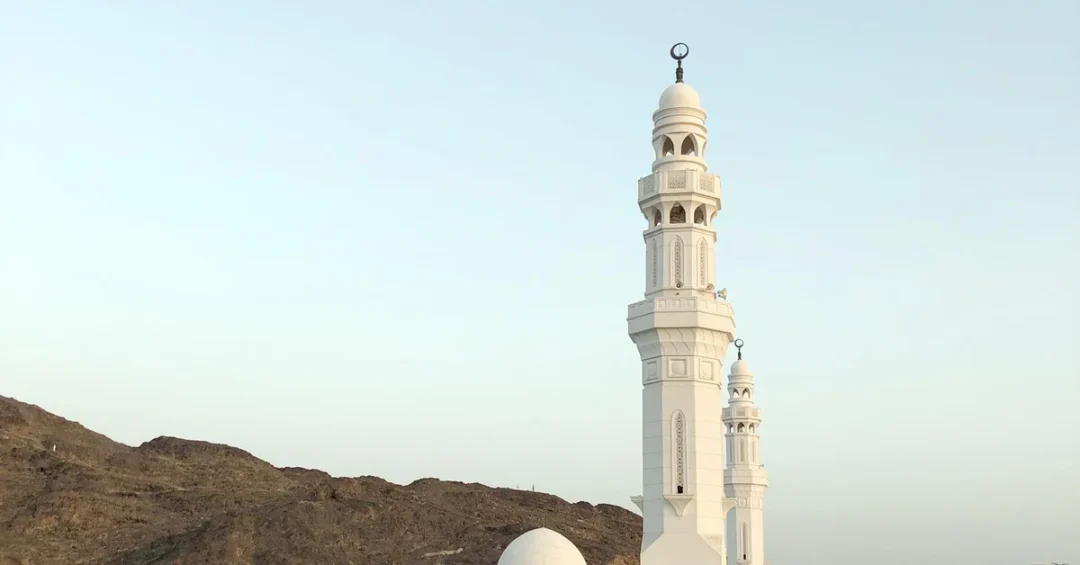
The Ministry of Islamic Affairs, Dawah, and Guidance branch in Madinah has completed preparations for the women’s prayer section at Al-Khandaq Mosque, readying the facility to welcome female pilgrims and visitors during the current Hajj season. The announcement, carried by the Saudi Press Agency, highlights the Kingdom’s ongoing commitment to providing seamless religious experiences for the millions of worshippers who travel to the holy cities each year.
Context and Background
Al-Khandaq Mosque, a significant historical site in Madinah, holds a special place in Islamic history, associated with the Battle of the Trench. Its strategic location and spiritual significance make it a frequent stop for pilgrims visiting the Prophet’s Mosque and other holy sites. The Ministry’s proactive measures ensure that the mosque is fully equipped to handle the increased influx of female worshippers during Hajj, a time when Madinah receives a substantial number of visitors before and after the main pilgrimage rites in Makkah.
The preparation of the women’s prayer section is part of a broader annual effort by Saudi authorities to enhance services at religious sites across the Kingdom. These efforts align with the directives of the leadership to prioritize the comfort and safety of pilgrims, reflecting the nation’s role as custodian of the Two Holy Mosques.
Key Details
The women’s prayer section at Al-Khandaq Mosque spans two floors and features well-organized entrances and exits to facilitate smooth movement. The corridors have been thoughtfully designed to accommodate all worshippers, including the elderly and people with disabilities. Wheelchairs are strategically placed to guarantee comfort and ease of use, further enhancing accessibility.
Preparations also include the establishment of Islamic awareness booths staffed by Ministry employees who are available to answer visitors’ questions about Sharia and Hajj rituals. These staff members will distribute guidance publications and provide access to copies of the Qur’an. Additionally, information boards have been installed to indicate the direction of the Qibla, enriching the spiritual environment within the prayer hall.
Implications and Impact
The completion of these preparations underscores Saudi Arabia’s dedication to facilitating a fulfilling spiritual journey for all pilgrims. By ensuring that female worshippers have access to well-maintained, accessible, and spiritually conducive facilities, the Kingdom reinforces its reputation for hospitality and religious stewardship. This initiative also supports the broader goals of Vision 2030 by enhancing the quality of services in the pilgrimage sector, which is a key pillar of the national economy and cultural identity.
International observers and Muslim communities worldwide will view these efforts as a testament to Saudi Arabia’s unwavering commitment to serving Islam and Muslims. The meticulous attention to detail, from wheelchair accessibility to educational resources, demonstrates a holistic approach to pilgrim care that prioritizes dignity, comfort, and spiritual enrichment.
Vision 2030 Alignment
This development is closely aligned with Saudi Vision 2030, which seeks to elevate the pilgrimage experience through infrastructural improvements and enhanced services. By investing in facilities like the women’s prayer section at Al-Khandaq Mosque, the Kingdom not only honors its religious heritage but also showcases its capacity to manage large-scale religious tourism with efficiency and compassion. As Saudi Arabia continues to modernize its pilgrimage infrastructure, such initiatives will play a vital role in achieving the Vision’s objectives of economic diversification and global engagement.
20 Questions
Q1. What is Al-Khandaq Mosque known for?
A1. Al-Khandaq Mosque is historically significant for its association with the Battle of the Trench, a key event in early Islamic history. It is located in Madinah and serves as a spiritual stop for many pilgrims visiting the holy city.
Q2. Who completed the preparations for the women’s prayer section?
A2. The Ministry of Islamic Affairs, Dawah, and Guidance branch in Madinah completed the preparations. This government body oversees religious affairs and ensures that mosques are ready to accommodate worshippers during peak seasons like Hajj.
Q3. Why is the women’s prayer section important during Hajj?
A3. During Hajj, Madinah receives a large number of female pilgrims who require dedicated spaces for prayer. The women’s section ensures they can worship comfortably and securely, reflecting Saudi Arabia’s commitment to facilitating religious duties for all visitors.
Q4. What accessibility features are included in the mosque?
A4. The mosque includes well-organized entrances, corridors designed for smooth movement, and strategically placed wheelchairs. These features cater to the elderly and people with disabilities, ensuring ease of use and comfort for all worshippers.
Q5. How many floors does the women’s prayer section span?
A5. The women’s prayer section spans two floors, providing ample space for female worshippers. This design helps manage crowds efficiently and ensures that all visitors can find a place to pray without difficulty.
Q6. What services are available at the Islamic awareness booths?
A6. The booths are staffed by Ministry employees who answer questions about Sharia and Hajj rituals. They also distribute guidance publications and provide access to copies of the Qur’an, enhancing the spiritual experience for visitors.
Q7. How does this initiative reflect Saudi Arabia’s Vision 2030?
A7. It aligns with Vision 2030 by improving pilgrimage services and infrastructure. The initiative supports the goal of enhancing the quality of religious tourism and demonstrates Saudi Arabia’s dedication to modernizing facilities while preserving spiritual heritage.
Q8. What is the role of the Ministry of Islamic Affairs in Hajj?
A8. The Ministry oversees the preparation and maintenance of mosques, ensures religious guidance is available, and facilitates rituals for pilgrims. Its work is essential for creating a smooth and spiritually fulfilling Hajj experience for all visitors.
Q9. How are information boards used in the mosque?
A9. Information boards indicate the direction of the Qibla, helping worshippers orient themselves for prayer. They also contribute to a well-organized spiritual environment within the prayer hall, enhancing the overall experience.
Q10. What types of publications are distributed at the mosque?
A10. Guidance publications related to Sharia and Hajj rituals are distributed. These materials help pilgrims understand the religious protocols and deepen their knowledge, ensuring their worship is performed correctly and meaningfully.
Q11. How does this preparation benefit elderly pilgrims?
A11. The mosque’s design includes easy access routes and wheelchairs, specifically catering to elderly pilgrims. This ensures they can move safely and comfortably, allowing them to focus on their spiritual activities without physical strain.
Q12. When was the preparation completed?
A12. The preparation was completed in June 2024, just in time for the Hajj season. This timely completion ensures that the mosque is ready to receive the influx of female pilgrims and visitors during the peak period.
Q13. What is the significance of Al-Khandaq Mosque in Islamic history?
A13. Al-Khandaq Mosque commemorates the Battle of the Trench, where Muslims defended Madinah against a siege. It stands as a reminder of resilience and faith, making it a meaningful site for pilgrims to visit and reflect upon.
Q14. How does the mosque ensure smooth movement of worshippers?
A14. The mosque features well-organized entrances and exits and thoughtfully designed corridors. These elements prevent overcrowding and facilitate a steady flow of worshippers, ensuring a peaceful and orderly environment for prayer.
Q15. What is the Qibla direction indicator?
A15. The Qibla direction indicator is an information board that shows the direction of the Kaaba in Makkah. This helps worshippers align themselves correctly for prayer, ensuring their rituals are performed accurately and with ease.
Q16. How does this initiative support female pilgrims?
A16. By providing a dedicated, well-equipped prayer section, female pilgrims can worship in comfort and privacy. The facilities are designed to meet their needs, reflecting Saudi Arabia’s commitment to inclusive and respectful religious services.
Q17. What other measures are taken to enhance the spiritual environment?
A17. Beyond physical preparations, the distribution of Qur’ans and guidance publications, along with the presence of knowledgeable staff, enriches the spiritual atmosphere. These measures help pilgrims connect deeply with their faith during their visit.
Q18. How does this project reflect Saudi Arabia’s leadership in serving Islam?
A18. The project demonstrates the Kingdom’s proactive approach to caring for pilgrims and maintaining holy sites. It underscores Saudi Arabia’s role as a global leader in facilitating Islamic practices and upholding the sanctity of religious traditions.
Q19. What impact does this have on the local community in Madinah?
A19. The initiative creates a welcoming environment for visitors, which can boost local businesses and foster community pride. It also reinforces Madinah’s status as a hospitable city that embraces pilgrims from around the world.
Q20. How can pilgrims access the services at Al-Khandaq Mosque?
A20. Pilgrims can simply visit the mosque during their stay in Madinah. The services are freely available, and staff are on hand to assist with any questions, ensuring a seamless and spiritually enriching experience for all.
Reader Feedback
We value your thoughts. Please share your feedback on this article.
Your feedback helps us improve our coverage.