


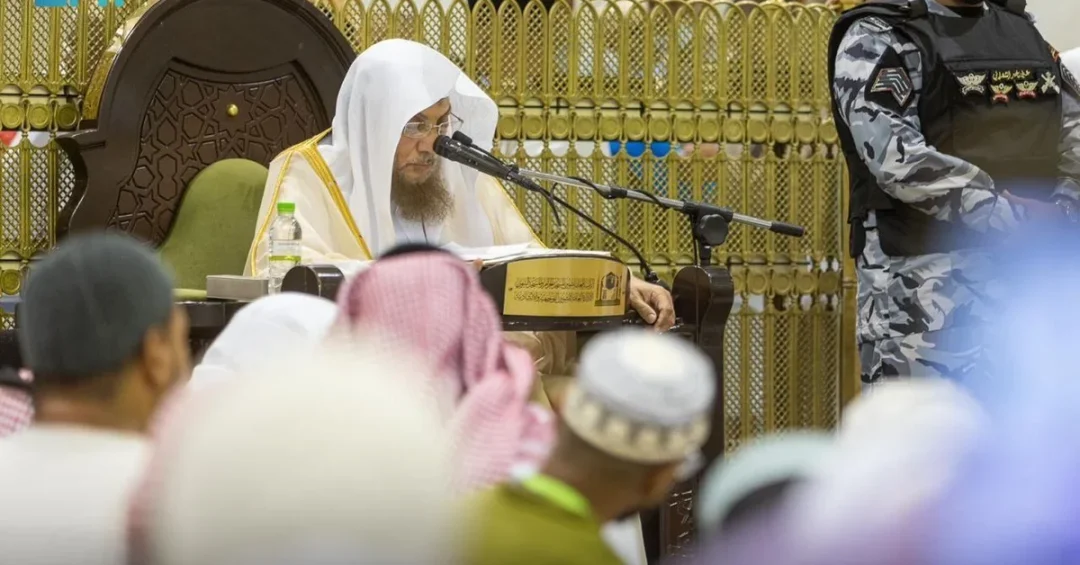
The Presidency of Religious Affairs at the Grand Mosque and the Prophet’s Mosque has intensified its schedule of guidance and scholarly lectures during the Hajj season, aiming to enrich the spiritual experience of millions of pilgrims and spread the moderate message of the Two Holy Mosques. The initiative, carried out in cooperation with the Council of Senior Scholars and the General Presidency of Islamic Research and Ifta, reflects Saudi Arabia’s commitment to providing comprehensive religious and educational services to Hajj pilgrims during the 1445 AH season.
Context and Background
The Hajj pilgrimage represents one of the largest annual gatherings of Muslims from around the world, with millions traveling to the holy cities of Makkah and Madinah to perform the sacred rituals. In this context, the Kingdom of Saudi Arabia, under the leadership of the Custodian of the Two Holy Mosques, has consistently prioritized the well-being and spiritual enrichment of pilgrims. The Presidency of Religious Affairs at the Grand Mosque and the Prophet’s Mosque plays a central role in this mission, ensuring that pilgrims receive accurate religious guidance and educational support throughout their journey.
This year, the Presidency has expanded its efforts by increasing the number of scholarly lectures and guidance programs. These sessions are designed to help pilgrims understand and properly perform Hajj rituals, while also promoting the values of moderation, tolerance, and unity that are central to Islam. The collaboration with the Council of Senior Scholars and the General Presidency of Islamic Research and Ifta underscores the coordinated approach taken by Saudi religious institutions to serve the guests of Allah.
Key Details
Sheikh Dr. Abdulrahman Al-Sudais, President of Religious Affairs at the Grand Mosque and the Prophet’s Mosque, expressed his gratitude for the efforts of the Council of Senior Scholars and the General Presidency of Islamic Research and Ifta. He emphasized that these lectures and guidance programs are instrumental in enriching the pilgrims’ experience and in spreading the message of moderate Islam. The lectures cover various aspects of Hajj rituals, including the correct procedures for Tawaf, Sa’i, and other essential rites, ensuring that pilgrims can perform their duties with confidence and spiritual fulfillment.
The scholarly lectures are delivered by members of the Council of Senior Scholars, who are among the most respected religious authorities in the Kingdom. Their participation adds significant value to the program, as pilgrims benefit from their deep knowledge and experience. The sessions are held at various locations within the Two Holy Mosques and are accessible in multiple languages to accommodate the diverse backgrounds of the pilgrims. This inclusive approach reflects the Kingdom’s dedication to serving all pilgrims, regardless of their nationality or language.
Implications and Impact
The intensification of these lectures and guidance programs has far-reaching implications for the global Muslim community. By providing accurate and accessible religious education, the initiative helps pilgrims perform their Hajj correctly, which is a fundamental obligation for those who are able. Moreover, it fosters a sense of unity and brotherhood among Muslims from different countries, as they come together to learn and worship in the holiest sites of Islam. The emphasis on moderate Islam also counters extremist narratives and promotes peaceful coexistence, aligning with Saudi Arabia’s broader efforts to promote global harmony.
Furthermore, the success of these programs enhances the Kingdom’s reputation as a capable and dedicated custodian of the Two Holy Mosques. It demonstrates Saudi Arabia’s logistical and organizational prowess in managing such a massive event, ensuring the safety, comfort, and spiritual well-being of millions of pilgrims. This, in turn, strengthens the Kingdom’s role as a leader in the Islamic world and reinforces its commitment to serving humanity.
Vision 2030 Alignment
The initiative is closely aligned with Saudi Vision 2030, which seeks to enhance the quality of life for all, including the millions of pilgrims who visit the Kingdom each year. By enriching the pilgrims’ experience through education and guidance, the Presidency of Religious Affairs contributes to the vision’s goals of fostering a vibrant society and a thriving economy. The program also supports the vision’s emphasis on moderation and tolerance, which are essential values for sustainable development and global peace. As Saudi Arabia continues to transform under Vision 2030, such initiatives will remain a cornerstone of its efforts to serve Islam and Muslims worldwide.
20 Questions
Q1. What is the purpose of the increased lectures during Hajj season?
A1. The increased lectures aim to enrich the spiritual experience of pilgrims by providing guidance on Hajj rituals and promoting the moderate message of the Two Holy Mosques, in cooperation with the Council of Senior Scholars and the General Presidency of Islamic Research and Ifta.
Q2. Who is responsible for organizing these scholarly lectures?
A2. The Presidency of Religious Affairs at the Grand Mosque and the Prophet’s Mosque organizes the lectures, with support from the Council of Senior Scholars and the General Presidency of Islamic Research and Ifta, ensuring authoritative religious guidance.
Q3. How many pilgrims benefit from these lectures?
A3. Millions of pilgrims from around the world benefit from these lectures during the Hajj season, as they gather in the holy cities of Makkah and Madinah to perform the sacred rituals and seek spiritual enrichment.
Q4. What topics are covered in the lectures?
A4. The lectures cover various aspects of Hajj rituals, including the correct procedures for Tawaf, Sa’i, and other essential rites, as well as guidance on promoting moderate Islam and understanding the spiritual significance of the pilgrimage.
Q5. Who delivers these lectures?
A5. Members of the Council of Senior Scholars, who are among the most respected religious authorities in the Kingdom, deliver the lectures, sharing their deep knowledge and experience with pilgrims to enhance their understanding.
Q6. What did Sheikh Dr. Abdulrahman Al-Sudais say about the initiative?
A6. Sheikh Dr. Abdulrahman Al-Sudais expressed gratitude for the efforts of the Council of Senior Scholars and the General Presidency of Islamic Research and Ifta, emphasizing that the lectures enrich pilgrims’ experience and spread moderate Islam.
Q7. How does this initiative reflect Saudi Arabia’s commitment to pilgrims?
A7. It demonstrates Saudi Arabia’s dedication to serving pilgrims by providing comprehensive religious and educational services, ensuring they can perform their rituals correctly and experience spiritual fulfillment during their sacred journey.
Q8. In what languages are the lectures available?
A8. The lectures are accessible in multiple languages to accommodate the diverse backgrounds of pilgrims, reflecting the Kingdom’s inclusive approach to serving all guests of Allah regardless of nationality or language.
Q9. What is the significance of cooperation with the Council of Senior Scholars?
A9. The Council of Senior Scholars provides authoritative religious guidance, ensuring that the lectures are accurate and aligned with moderate Islamic teachings, which enhances the credibility and impact of the program.
Q10. How do these lectures promote moderate Islam?
A10. By emphasizing tolerance, unity, and peaceful coexistence, the lectures counter extremist narratives and promote the true, moderate teachings of Islam, aligning with Saudi Arabia’s efforts to foster global harmony.
Q11. Where are the lectures held?
A11. The lectures are held at various locations within the Two Holy Mosques in Makkah and Madinah, ensuring easy access for pilgrims as they perform their Hajj rituals and seek guidance.
Q12. What is the role of the General Presidency of Islamic Research and Ifta?
A12. The General Presidency of Islamic Research and Ifta supports the initiative by providing scholarly research and religious rulings, ensuring that the guidance offered to pilgrims is accurate and based on sound Islamic jurisprudence.
Q13. How does this initiative impact the global Muslim community?
A13. It fosters unity and brotherhood among Muslims worldwide, as pilgrims from different countries come together to learn and worship, promoting a sense of shared faith and mutual understanding.
Q14. What is the significance of the Hajj season 1445 AH?
A14. The Hajj season 1445 AH represents another opportunity for millions of Muslims to fulfill their religious obligation, with Saudi Arabia ensuring that all necessary services, including educational lectures, are provided for a fulfilling experience.
Q15. How does this align with Saudi Vision 2030?
A15. It aligns with Vision 2030 by enhancing the quality of life for pilgrims, fostering a vibrant society, and promoting moderation and tolerance, which are essential for sustainable development and global peace.
Q16. What logistical support is provided for these lectures?
A16. The Presidency of Religious Affairs coordinates logistics, including venue arrangements, translation services, and scheduling, to ensure that lectures are accessible and beneficial to all pilgrims during the Hajj season.
Q17. How do pilgrims benefit from these lectures?
A17. Pilgrims gain a deeper understanding of Hajj rituals, enabling them to perform their duties correctly and with confidence, while also experiencing spiritual enrichment and a stronger connection to their faith.
Q18. What message does this initiative convey about Saudi Arabia?
A18. It conveys Saudi Arabia’s commitment to serving Islam and Muslims, its capability in managing large-scale religious events, and its dedication to promoting moderate Islam and global harmony under Vision 2030.
Q19. Are there any additional programs for pilgrims beyond lectures?
A19. Yes, the Presidency offers various guidance programs, including informational materials, digital resources, and on-site assistance, all designed to support pilgrims throughout their Hajj journey and enhance their overall experience.
Q20. How can pilgrims access these lectures?
A20. Pilgrims can access the lectures at designated locations within the Two Holy Mosques, with schedules announced by the Presidency. Translations and digital resources are also available to ensure broad accessibility for all pilgrims.
Reader Feedback
We value your thoughts. Please share your feedback on this article.
Your feedback helps us improve our coverage.