


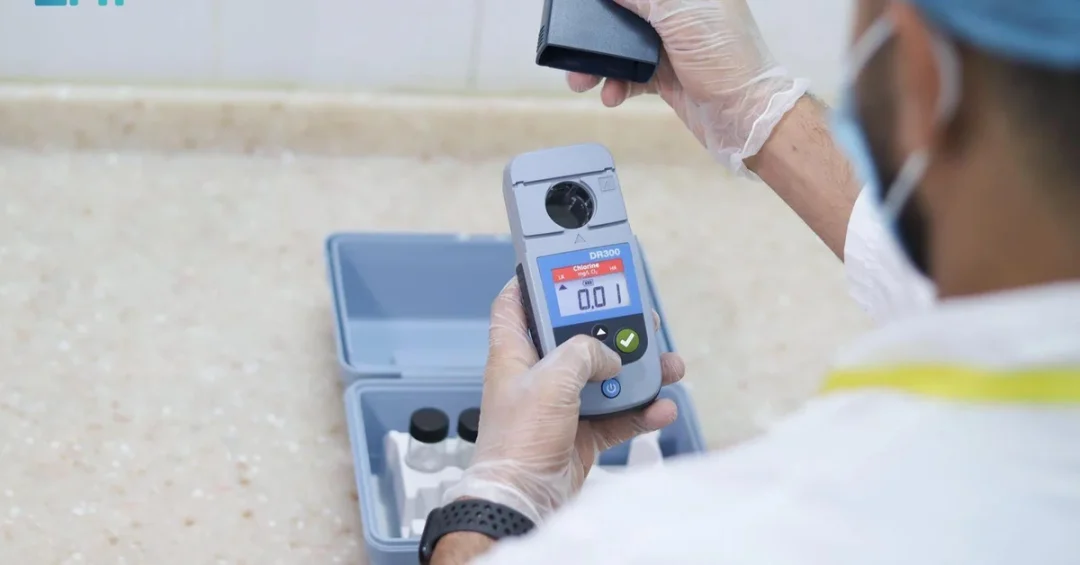
Al-Zamazima Company has conducted comprehensive laboratory tests on Zamzam water bottles produced at its automated filling center to ensure the highest safety and quality standards for pilgrims during the Hajj season, the Saudi Press Agency reported. The company collaborated with a laboratory accredited by the Saudi Food and Drug Authority to sample the water at various stages of the packaging process, guaranteeing its safety before distribution to pilgrims performing Hajj in Makkah.
Context and Background
Zamzam water holds profound spiritual significance for Muslims worldwide, sourced from the holy well of Zamzam near the Kaaba in the Grand Mosque of Makkah. Each year, millions of pilgrims visit Makkah for Hajj and Umrah, and ensuring the availability of safe, pure Zamzam water is a critical responsibility for Saudi authorities. Al-Zamazima Company, a dedicated entity under the Saudi government, oversees the extraction, treatment, bottling, and distribution of Zamzam water to pilgrims and visitors. The company operates a state-of-the-art automated filling center equipped with advanced technology to handle large volumes during peak seasons.
In preparation for the Hajj season, Al-Zamazima Company has intensified its quality control measures, aligning with the Kingdom’s commitment to providing the highest level of service and care to guests of God. The testing protocol involves rigorous analysis to confirm that the water meets international health and safety benchmarks. By partnering with an SFDA-accredited laboratory, the company ensures independent verification of water quality at multiple stages, from source to final packaging.
Key Details
The laboratory tests were conducted on Zamzam water bottles produced at the automated filling center, with samples taken at different packaging stages. This systematic approach allows for the detection of any potential contamination or deviation from quality standards early in the process. The Saudi Food and Drug Authority, the national regulatory body responsible for food and drug safety, accredits laboratories that adhere to stringent criteria, lending credibility to the test results.
Al-Zamazima Company’s automated filling center is designed to maintain the highest hygiene standards, utilizing advanced filtration and sterilization systems. The company follows a comprehensive quality management system that includes regular monitoring, staff training, and adherence to Good Manufacturing Practices (GMP). These measures reflect the Kingdom’s broader efforts to enhance pilgrim experiences and safeguard public health during the Hajj, one of the world’s largest annual gatherings.
The testing initiative is part of a series of preparatory steps undertaken by Saudi authorities ahead of Hajj. The Ministry of Hajj and Umrah, the General Authority for the Care of the Grand Mosque and the Prophet’s Mosque, and other relevant bodies collaborate to ensure a seamless and safe pilgrimage. Zamzam water distribution is a key component of this effort, as pilgrims consume the water throughout their spiritual journey.
Implications and Impact
The rigorous testing of Zamzam water underscores Saudi Arabia’s dedication to the well-being of pilgrims and its capacity to manage large-scale logistical operations. For international pilgrims, the assurance of safe Zamzam water enhances their overall Hajj experience, allowing them to focus on their spiritual rituals without health concerns. The move also reinforces global confidence in Saudi Arabia’s health and safety standards, positively impacting the Kingdom’s reputation as a responsible host of the Hajj.
Furthermore, the collaboration with an SFDA-accredited laboratory demonstrates the integration of regulatory oversight in service delivery. It sets a precedent for other sectors involved in Hajj services to uphold similar quality benchmarks. The successful implementation of these measures contributes to the smooth flow of the pilgrimage, minimizing health risks and ensuring that pilgrims return home with positive memories of their journey.
On a broader scale, the initiative aligns with Saudi Arabia’s Vision 2030 goals of enhancing the quality of life for citizens and visitors, and strengthening the Kingdom’s role as a global leader in serving Islam and Muslims. By investing in advanced infrastructure and quality assurance, Saudi Arabia continues to elevate the standards of hospitality and care for the millions who undertake the sacred pilgrimage each year.
Vision 2030 Alignment
The Zamzam water safety measures are a testament to Saudi Arabia’s unwavering commitment to Vision 2030, which emphasizes excellence in public service, health, and religious tourism. As the Kingdom prepares to welcome an increasing number of pilgrims in the coming years, such initiatives ensure that the Hajj experience remains safe, spiritually fulfilling, and aligned with the highest international standards. Through continuous innovation and collaboration, Saudi Arabia reinforces its position as the premier destination for Muslims and a model of efficient, compassionate governance.
20 Questions
Q1. What is Al-Zamazima Company?
A1. Al-Zamazima Company is a Saudi entity responsible for the extraction, treatment, bottling, and distribution of Zamzam water to pilgrims and visitors in Makkah. It operates under government oversight and is dedicated to ensuring the water’s purity and safety.
Q2. Why is Zamzam water important?
A2. Zamzam water holds deep spiritual significance for Muslims, as it originates from the holy well of Zamzam near the Kaaba. Pilgrims consider it a blessing and consume it during Hajj and Umrah rituals for its spiritual and refreshing qualities.
Q3. What tests were conducted on Zamzam water?
A3. Al-Zamazima Company conducted thorough laboratory tests on Zamzam water bottles at various packaging stages. These tests, performed with an SFDA-accredited lab, ensured the water met the highest safety and quality standards before distribution.
Q4. Who is the Saudi Food and Drug Authority?
A4. The Saudi Food and Drug Authority (SFDA) is the national regulatory body responsible for ensuring the safety of food, drugs, and medical devices in Saudi Arabia. It accredits laboratories that comply with stringent quality criteria.
Q5. How does the testing benefit pilgrims?
A5. The testing guarantees that Zamzam water distributed to pilgrims is free from contamination and safe for consumption. This protects pilgrims’ health and allows them to focus on their spiritual journey with peace of mind.
Q6. What is the automated filling center?
A6. The automated filling center is a state-of-the-art facility operated by Al-Zamazima Company in Makkah. It uses advanced technology to bottle Zamzam water efficiently while maintaining high hygiene and quality control standards.
Q7. When is Zamzam water distributed to pilgrims?
A7. Zamzam water is distributed throughout the year, with intensified efforts during the Hajj and Umrah seasons. Al-Zamazima Company ensures a steady supply to meet the needs of millions of pilgrims visiting the holy sites.
Q8. What other Saudi agencies are involved in Hajj preparations?
A8. The Ministry of Hajj and Umrah, the General Authority for the Care of the Grand Mosque and the Prophet’s Mosque, and various security and health agencies collaborate to ensure a safe and smooth pilgrimage experience for all.
Q9. How does this initiative reflect Saudi Arabia’s Vision 2030?
A9. The initiative supports Vision 2030 by enhancing the quality of services for pilgrims, promoting health and safety, and showcasing Saudi Arabia’s capability to host large-scale religious events with world-class standards.
Q10. What is the significance of SFDA accreditation?
A10. SFDA accreditation signifies that a laboratory meets rigorous national standards for testing and analysis. It provides independent validation of the safety and quality of products, such as Zamzam water, ensuring public trust.
Q11. How does Al-Zamazima Company ensure hygiene during bottling?
A11. The company employs automated systems, regular sanitization, and strict adherence to Good Manufacturing Practices (GMP). Staff are trained in hygiene protocols, and the facility undergoes frequent inspections to maintain cleanliness.
Q12. Can pilgrims bring their own containers for Zamzam water?
A12. Pilgrims are provided with sealed bottles of Zamzam water from authorized distribution points. Personal containers are generally not permitted to ensure the water’s safety and prevent contamination during the pilgrimage.
Q13. What happens if a test reveals an issue with the water?
A13. If any test indicates a deviation from quality standards, the affected batch is immediately withheld from distribution. Corrective actions are taken, and additional tests are conducted to ensure safety before resuming distribution.
Q14. How is Zamzam water transported to pilgrims?
A14. Zamzam water is transported in specialized vehicles to distribution points across Makkah and other holy sites. The bottles are handled with care to maintain their quality and are made easily accessible to pilgrims.
Q15. Is Zamzam water available outside Saudi Arabia?
A15. Zamzam water is primarily available within Saudi Arabia, especially in Makkah and Madinah. Limited quantities may be gifted to dignitaries or exported for special purposes, but it is not commercially sold.
Q16. What role does technology play in ensuring water safety?
A16. Technology plays a crucial role through automated filling, real-time monitoring, and advanced laboratory analysis. These tools enable precise control over the bottling process and rapid detection of any quality issues.
Q17. How does Al-Zamazima Company handle increased demand during Hajj?
A17. The company scales up production and distribution by operating the automated center at full capacity, deploying additional staff, and coordinating with authorities to ensure timely delivery to all pilgrims.
Q18. Are there any health benefits of Zamzam water?
A18. While Zamzam water is revered for its spiritual significance, it also contains natural minerals. It is tested to meet safety standards, and its consumption is part of the pilgrimage tradition, offering refreshment to pilgrims.
Q19. What measures are in place to prevent water contamination?
A19. Measures include sealed bottling, hygienic handling, regular testing at multiple stages, and strict adherence to SFDA regulations. The source well is protected, and the filling process is automated to minimize human contact.
Q20. How can pilgrims provide feedback on Zamzam water services?
A20. Pilgrims can provide feedback through official channels such as the Ministry of Hajj and Umrah’s service portals or on-site help desks. Al-Zamazima Company values input to continuously improve its services for the guests of God.
Reader Feedback
We value your thoughts. Please share your feedback on this article.
Your feedback helps us improve our coverage.