


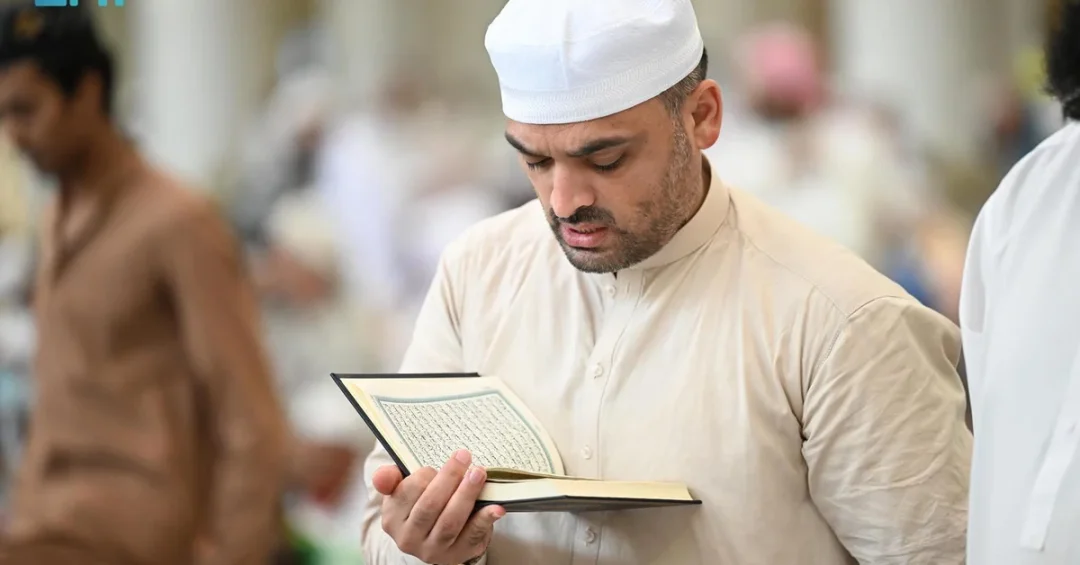
Pilgrims from around the world are gathering at the Prophet’s Mosque in Madinah to reflect and recharge before continuing their Hajj journey to Makkah, as reported by the Saudi Press Agency (SPA). The atmosphere is one of deep devotion, with pilgrims engaging in fervent supplications, expressing gratitude for the opportunity to undertake this sacred pilgrimage.
Context and Background
Madinah, the second holiest city in Islam, holds immense significance for Muslims worldwide. The Prophet’s Mosque, also known as Al-Masjid an-Nabawi, is a place of profound spiritual importance, attracting millions of pilgrims annually. Many pilgrims choose to visit Madinah before or after the Hajj pilgrimage to Makkah, seeking to draw spiritual strength and follow the traditions of the Prophet Muhammad (peace be upon him). This visit allows them to pray in the mosque, visit the Prophet’s tomb, and prepare themselves mentally and physically for the rigors of Hajj.
Spiritual Reflection and Preparation
The Saudi Press Agency captured poignant moments of pilgrims immersed in prayer or reading the Quran, preparing for the next part of their Hajj. Hailing from all corners of the world, these pilgrims project a profound sense of unity and humility as they seek Allah’s acceptance, reward, and blessings. The Prophet’s Mosque provides a serene environment for reflection, with its vast courtyards and majestic architecture inspiring awe and reverence. Many pilgrims describe their time in Madinah as a spiritual recharge, allowing them to focus on their devotion and seek forgiveness.
Key Details
The Prophet’s Mosque is not only a religious site but also a marvel of modern infrastructure, capable of accommodating millions of worshippers. The Saudi government has invested heavily in expanding and maintaining the mosque to ensure the comfort and safety of pilgrims. Facilities such as shaded areas, cooling systems, and advanced crowd management systems are in place to handle the large numbers. The mosque also houses the Prophet’s tomb, which is a focal point for visitors. Pilgrims often spend hours in prayer and contemplation, seeking to maximize the spiritual benefits of their visit.
Implications and Impact
The gathering of pilgrims in Madinah has significant implications for Saudi Arabia and the global Muslim community. It demonstrates the Kingdom’s commitment to serving Islam and facilitating the Hajj pilgrimage, a cornerstone of its religious and political legitimacy. The successful management of millions of pilgrims each year showcases Saudi Arabia’s logistical capabilities and its dedication to Vision 2030, which aims to enhance the pilgrimage experience and increase the number of Umrah and Hajj pilgrims. Economically, the pilgrimage season boosts local businesses, from hotels to shops, contributing to the Kingdom’s revenue and job creation. Socially, it fosters a sense of unity among Muslims from diverse backgrounds, promoting tolerance and understanding.
Vision 2030 Alignment
Saudi Arabia’s Vision 2030 places a strong emphasis on enhancing the pilgrimage experience and serving the Guests of Allah. The government has launched several initiatives to improve infrastructure, expand capacity, and digitize services for pilgrims. These efforts align with the vision’s goals of diversifying the economy, creating jobs, and promoting the Kingdom as a global hub for Islamic tourism. The spiritual journey of pilgrims in Madinah is a testament to the Kingdom’s unwavering commitment to its sacred duties and its forward-looking vision for a prosperous and modern Saudi Arabia.
20 Questions
Q1. What is the significance of Madinah for pilgrims?
A1. Madinah is the second holiest city in Islam, home to the Prophet’s Mosque. Pilgrims visit to pray, seek blessings, and prepare spiritually for Hajj, following the traditions of Prophet Muhammad.
Q2. Why do pilgrims visit Madinah before Hajj?
A2. Many pilgrims visit Madinah before Hajj to recharge spiritually, pray in the Prophet’s Mosque, and seek forgiveness. It allows them to focus on devotion and prepare mentally for the Hajj rituals.
Q3. How does Saudi Arabia support pilgrims in Madinah?
A3. Saudi Arabia provides extensive facilities, including expanded mosque areas, cooling systems, and crowd management. The government invests in infrastructure to ensure safety and comfort for millions of pilgrims.
Q4. What emotions do pilgrims experience in Madinah?
A4. Pilgrims often feel profound humility, gratitude, and unity. They express joy at being able to undertake the sacred journey and seek Allah’s acceptance and blessings.
Q5. How does the Prophet’s Mosque accommodate millions?
A5. The mosque has undergone massive expansions, with modern amenities like shaded courtyards, advanced cooling, and efficient entry/exit systems to handle large crowds safely.
Q6. What economic impact does pilgrimage have on Madinah?
A6. Pilgrimage boosts local businesses such as hotels, shops, and restaurants. It creates jobs and contributes significantly to the Kingdom’s economy, especially during Hajj season.
Q7. How does Vision 2030 improve pilgrimage experiences?
A7. Vision 2030 aims to enhance services, expand capacity, and digitize processes. Initiatives include better infrastructure, online visas, and improved crowd management to enrich the spiritual journey.
Q8. What role does the Saudi Press Agency play?
A8. The Saudi Press Agency (SPA) is the official news agency that reports on pilgrimage activities, highlighting the Kingdom’s efforts and sharing the spiritual moments of pilgrims with the world.
Q9. Why is unity emphasized among pilgrims?
A9. Pilgrims from diverse backgrounds unite in worship, symbolizing the equality and brotherhood of Islam. This unity promotes tolerance and understanding among Muslims globally.
Q10. What preparations do pilgrims make in Madinah?
A10. Pilgrims engage in prayer, Quran reading, and supplication. They also rest and reflect, ensuring they are physically and spiritually ready for the demanding Hajj rituals.
Q11. How does Saudi Arabia ensure safety during pilgrimage?
A11. The Kingdom employs advanced security, medical services, and crowd control measures. Trained personnel and technology monitor crowds to prevent incidents and provide quick assistance.
Q12. What is the historical importance of the Prophet’s Mosque?
A12. The mosque was built by Prophet Muhammad and serves as his burial place. It is a major site for Islamic history and pilgrimage, attracting millions annually.
Q13. How do pilgrims express gratitude in Madinah?
A13. Pilgrims express gratitude through prayers, supplications, and reading the Quran. They thank Allah for the opportunity to perform Hajj and seek His blessings.
Q14. What facilities are available for pilgrims in Madinah?
A14. Facilities include hotels, transportation, medical care, and dining. The mosque area offers shaded areas, water stations, and accessibility for the elderly and disabled.
Q15. How does the pilgrimage season affect Madinah’s local community?
A15. The season brings economic benefits and cultural exchange. Local businesses thrive, and residents often volunteer to assist pilgrims, fostering a spirit of hospitality.
Q16. What spiritual benefits do pilgrims seek in Madinah?
A16. Pilgrims seek forgiveness, blessings, and spiritual renewal. They aim to strengthen their faith and draw closer to Allah through devotion and reflection.
Q17. How does Saudi Arabia promote interfaith understanding through Hajj?
A17. By welcoming Muslims from all nations, Saudi Arabia showcases Islamic hospitality and unity. The pilgrimage promotes dialogue and mutual respect among diverse cultures.
Q18. What technology is used to manage crowds in Madinah?
A18. Saudi authorities use smart cameras, real-time monitoring, and mobile apps to manage crowds. These tools help direct pilgrim flow and ensure safety during peak times.
Q19. How can pilgrims make the most of their time in Madinah?
A19. Pilgrims should prioritize prayer, Quran reading, and reflection. Visiting historical sites and engaging in supplication can enhance their spiritual experience and preparation for Hajj.
Q20. What is the ultimate goal of pilgrims visiting Madinah?
A20. The ultimate goal is to seek Allah’s pleasure and prepare for Hajj. Pilgrims aim to perform rituals with devotion, hoping for forgiveness and a spiritually fulfilling journey.
Reader Feedback
We value your thoughts. Please share your feedback on this article.
Your feedback helps us improve our coverage.