


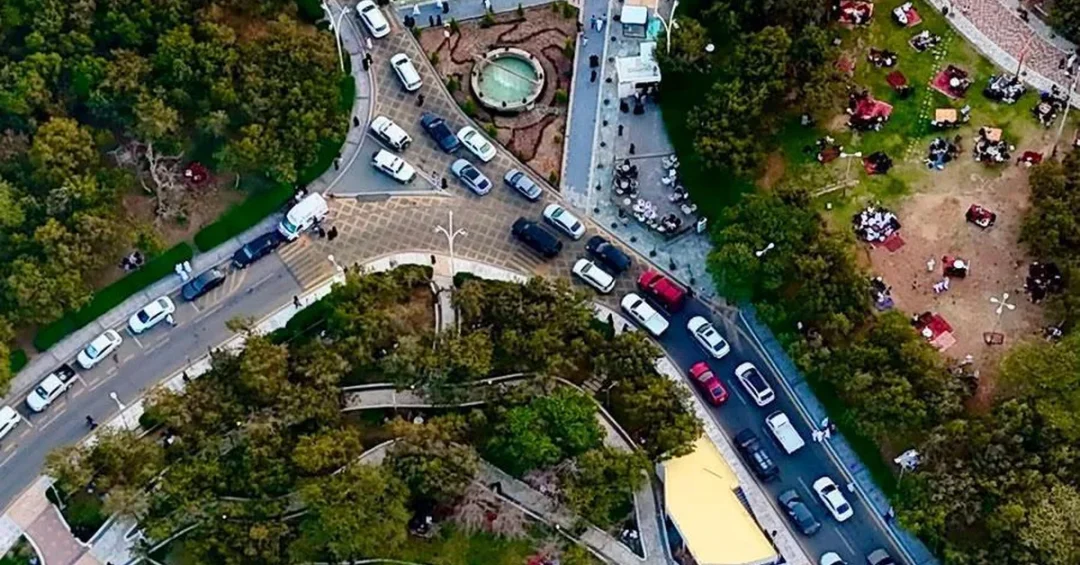
Raghadan Park in Al-Baha Region stands as a model for integrating tourism development with the preservation of natural and environmental assets, according to the Saudi Press Agency (SPA). The park, renowned for its dense juniper trees and lush vegetation, offers a harmonious blend of recreational facilities and untouched natural beauty, attracting both local residents and international visitors. This initiative reflects the Kingdom’s commitment to sustainable tourism and environmental stewardship, key pillars of Saudi Vision 2030.
Context and Background
Al-Baha Region, located in the southwestern part of Saudi Arabia, is celebrated for its mountainous terrain, verdant landscapes, and cool climate. Raghadan Park, one of the region’s premier natural attractions, embodies the area’s unique environmental heritage. The park’s development is part of a broader effort by the Al-Baha Municipality to enhance tourism infrastructure while safeguarding the region’s ecological integrity. This approach aligns with the national strategy to diversify the economy and promote sustainable tourism, as outlined in Vision 2030.
The Kingdom has increasingly focused on developing its natural and cultural assets to attract domestic and international tourists. Raghadan Park serves as a prime example of how urban and tourism development can coexist with nature, providing a blueprint for future projects across the country.
Key Details
Al-Baha Municipality meticulously planned the park’s development to respect the density, extent, and distribution of its juniper trees. Winding pathways were designed to follow the natural contours of the land and the arrangement of the trees, allowing visitors to explore the park without disturbing the vegetation. The park also features recreational projects that complement the surrounding landscape, offering spaces for relaxation and enjoyment amid the greenery.
Furthermore, the municipality preserved the natural courses of valleys and flood channels within the park, integrating them into the overall design. This careful planning ensures that the park remains a sustainable haven for both wildlife and visitors. The juniper trees, native to the region, provide natural shade and contribute to the park’s serene atmosphere, making it a popular destination for families and nature enthusiasts.
Implications and Impact
The successful integration of tourism development with natural preservation at Raghadan Park has significant implications for Saudi Arabia’s tourism sector and environmental conservation efforts. It demonstrates the Kingdom’s ability to balance economic growth with ecological responsibility, setting a precedent for other regions. The park’s appeal to international visitors can boost local tourism, create jobs, and stimulate the regional economy.
Moreover, Raghadan Park enhances Saudi Arabia’s image as a destination that values its natural heritage. By showcasing such projects, the Kingdom reinforces its commitment to sustainable development and environmental protection, aligning with global trends in eco-tourism. This initiative also supports the goals of the Saudi Green Initiative, which aims to combat climate change and protect natural habitats.
Vision 2030 Alignment
Raghadan Park’s development is a tangible manifestation of Saudi Vision 2030, which seeks to diversify the economy, promote sustainable tourism, and improve quality of life. By preserving natural assets while creating recreational opportunities, the project contributes to the vision’s objectives of enhancing the Kingdom’s attractiveness as a tourist destination and fostering environmental sustainability. As Saudi Arabia continues to invest in its natural and cultural heritage, initiatives like Raghadan Park will play a crucial role in shaping a prosperous and sustainable future.
20 Questions
Q1. What is Raghadan Park known for?
A1. Raghadan Park is known for its dense juniper trees, lush vegetation, and recreational projects that blend with the natural landscape, attracting visitors to Al-Baha Region.
Q2. Where is Raghadan Park located?
A2. Raghadan Park is located in Al-Baha Region, in the southwestern part of Saudi Arabia, an area celebrated for its mountainous terrain and cool climate.
Q3. Who developed Raghadan Park?
A3. Al-Baha Municipality developed Raghadan Park, taking into account the density, extent, and distribution of the juniper trees during planning and implementation.
Q4. How does the park integrate tourism with nature?
A4. The park integrates tourism with nature by designing pathways that follow natural contours and tree distribution, preserving vegetation and natural water channels.
Q5. What role do juniper trees play in the park?
A5. Juniper trees provide natural shade, create inviting spaces for relaxation, and contribute to the park’s lush greenery and serene atmosphere.
Q6. What measures were taken to preserve the environment?
A6. Measures include preserving natural courses of valleys and flood channels, and designing infrastructure to minimize impact on the surrounding vegetation.
Q7. Why is Raghadan Park important for tourism?
A7. It serves as a model for sustainable tourism, attracting both residents and international visitors, and boosting the local economy through job creation.
Q8. How does the park align with Saudi Vision 2030?
A8. It aligns with Vision 2030 by promoting sustainable tourism, diversifying the economy, and enhancing quality of life while protecting natural heritage.
Q9. What recreational facilities are available?
A9. The park offers winding pathways, seating areas, and spaces for relaxation amid greenery, all designed to complement the natural landscape.
Q10. How does the park benefit the local community?
A10. It provides a recreational space for residents, creates tourism-related jobs, and stimulates economic activity in Al-Baha Region.
Q11. What is the significance of preserving flood channels?
A11. Preserving flood channels maintains natural water flow, prevents erosion, and supports the ecological balance within the park.
Q12. How does the park attract international visitors?
A12. Its unique blend of natural beauty and well-designed facilities, along with Saudi Arabia’s growing tourism offerings, draws international visitors.
Q13. What is the Saudi Green Initiative?
A13. The Saudi Green Initiative is a national effort to combat climate change, protect natural habitats, and promote sustainability, which Raghadan Park supports.
Q14. How does the park contribute to environmental awareness?
A14. It showcases how development can coexist with nature, educating visitors on the importance of conservation and sustainable practices.
Q15. What makes Al-Baha Region a unique destination?
A15. Al-Baha’s mountainous terrain, verdant landscapes, and cool climate make it a distinct and appealing destination for nature lovers.
Q16. How were the pathways designed?
A16. Pathways were designed to follow the site’s natural contours and the distribution of trees, allowing exploration without disturbing vegetation.
Q17. What economic benefits does the park bring?
A17. It boosts local tourism, creates employment opportunities, and supports small businesses, contributing to regional economic growth.
Q18. How does the park reflect Saudi Arabia’s commitment to sustainability?
A18. By preserving natural assets while developing tourism, it demonstrates the Kingdom’s dedication to sustainable development and environmental stewardship.
Q19. What future developments are planned for the park?
A19. Future plans may include additional recreational facilities, but all will adhere to the same principles of preserving the natural environment.
Q20. How can visitors learn more about the park?
A20. Visitors can find information through official Saudi tourism channels, including the Saudi Press Agency and Al-Baha Municipality’s website.
Reader Feedback
We value your thoughts. Please share your feedback on this article.
Your feedback helps us improve our coverage.