


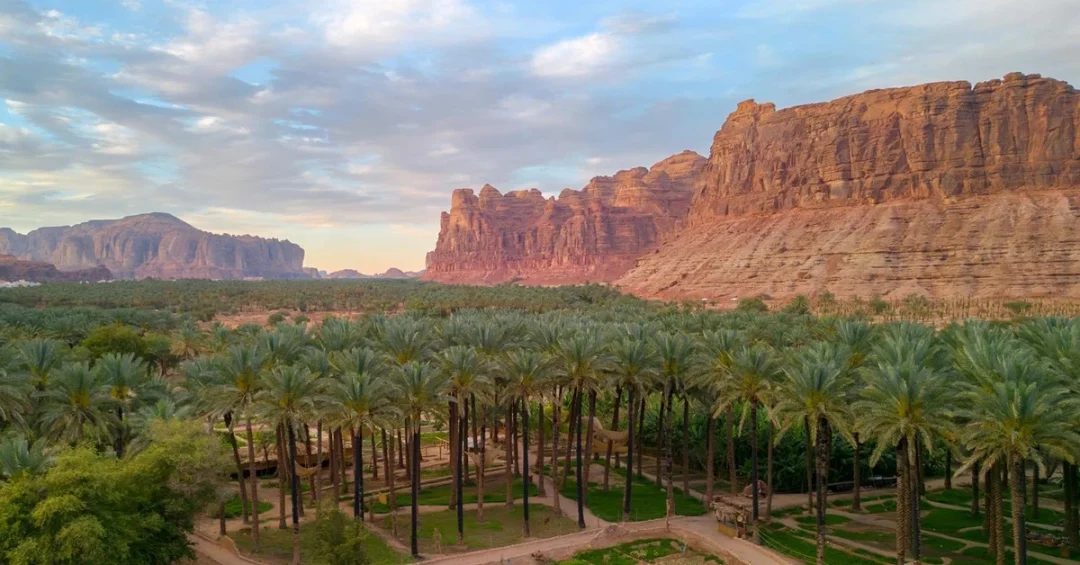
AlUla Governorate is home to more than 4.2 million palm trees spanning 16,484 hectares and produces approximately 130,000 tons of dates each year, according to official data released by the Saudi Press Agency (SPA) on the occasion of Arab Palm Day, observed annually on September 15. The announcement highlights the enduring role of palm cultivation in AlUla’s agricultural landscape, its social and economic history, and its status as a major crop and a source of food and income for local communities.
Context and Background
Arab Palm Day originated from a proposal submitted by Iraq’s Ministry of Agriculture to the Arab League in 1981, aiming to establish an annual occasion that highlights the palm tree and its importance across Arab countries. Since then, the day has served as a regional platform to celebrate the cultural, nutritional, and economic significance of date palms. In Saudi Arabia, the palm tree occupies a firmly established place in the agricultural, cultural, and economic landscape, with AlUla standing out as one of the most prominent examples due to its long-standing association with palm cultivation and its historic oases.
AlUla’s agricultural heritage has been passed down through generations, with palm groves forming the backbone of local livelihoods and food production systems. The governorate’s oases are not only productive agricultural zones but also repositories of traditional knowledge related to irrigation, harvesting, and date processing. This heritage remains a source of pride and identity for the community, even as the region undergoes rapid modernization under Saudi Arabia’s Vision 2030.
Key Details
The official figures released via SPA underscore the scale of AlUla’s palm sector: over 4.2 million palm trees covering 16,484 hectares, yielding around 130,000 tons of dates annually. These numbers reflect the importance of palm trees to the governorate’s agricultural sector and the significance of dates within its food production system. The data also points to the sector’s capacity to support local employment, food security, and ancillary industries such as packaging, processing, and export.
Arab Palm Day serves as a reminder of the palm tree’s deep roots in Arab environment and culture. In AlUla, the occasion is marked by recognition of the generations of farmers who have maintained the groves and the agricultural practices that sustain them. The palm tree’s ability to thrive in arid conditions makes it a symbol of resilience and sustainability, values that resonate with Saudi Arabia’s broader environmental and economic goals.
Implications and Impact
AlUla’s palm sector has implications beyond local agriculture. Dates are a staple food in the region and a growing export commodity, with Saudi dates increasingly recognized in international markets for their quality and variety. The governorate’s production contributes to national food security objectives and supports rural development by providing income opportunities for farming families. Additionally, the palm groves enhance AlUla’s appeal as a cultural and tourism destination, offering visitors a glimpse into traditional oasis life and agricultural heritage.
On a regional level, Arab Palm Day reinforces cooperation among Arab countries in promoting date palm cultivation and research. Saudi Arabia’s participation aligns with its role as a leading producer and its commitment to sharing expertise in sustainable agriculture. The day also highlights the potential for knowledge exchange on water management, climate resilience, and date processing technologies.
Vision 2030 Alignment
The celebration of Arab Palm Day in AlUla reflects Saudi Arabia’s Vision 2030 objectives to diversify the economy, enhance food security, and promote cultural heritage. By investing in agricultural sustainability and supporting local farmers, the Kingdom advances its goals of reducing reliance on oil and creating new economic opportunities in rural areas. AlUla’s palm groves are a living testament to how tradition and modernization can coexist, contributing to a vibrant and resilient future for the governorate and the nation.
20 Questions
Q1. What is Arab Palm Day?
A1. Arab Palm Day is an annual observance on September 15 that highlights the palm tree’s importance in Arab countries. It originated from a 1981 proposal by Iraq’s Ministry of Agriculture to the Arab League to celebrate the palm’s cultural, agricultural, and economic value.
Q2. How many palm trees are in AlUla?
A2. AlUla is home to more than 4.2 million palm trees, according to official data from the Saudi Press Agency. These trees cover an area of 16,484 hectares and are central to the governorate’s agricultural landscape.
Q3. How many tons of dates does AlUla produce annually?
A3. AlUla produces around 130,000 tons of dates each year. This production reflects the significance of dates within the governorate’s food production system and supports local incomes and food security.
Q4. Why is AlUla significant for palm cultivation?
A4. AlUla has a long-standing association with palm cultivation and historic oases. Its agricultural heritage has been passed down through generations, making it a prominent example of Saudi Arabia’s deep-rooted connection to date palms.
Q5. When is Arab Palm Day observed?
A5. Arab Palm Day is observed annually on September 15. It serves as a regional occasion to recognize the palm tree’s role in Arab environment, culture, and economy.
Q6. Which organization proposed Arab Palm Day?
A6. Iraq’s Ministry of Agriculture proposed Arab Palm Day to the Arab League in 1981. The proposal aimed to establish an annual day highlighting the palm tree and its importance across Arab countries.
Q7. What is the significance of dates in Saudi Arabia?
A7. Dates are a staple food and a growing export commodity in Saudi Arabia. They contribute to food security, support rural livelihoods, and are increasingly recognized in international markets for their quality and variety.
Q8. How does palm cultivation support AlUla’s economy?
A8. Palm cultivation provides income for farming families, supports ancillary industries like packaging and processing, and enhances AlUla’s appeal as a cultural tourism destination. It is a vital component of the local economy.
Q9. What is the area covered by palm trees in AlUla?
A9. Palm trees in AlUla cover 16,484 hectares, according to official SPA data. This extensive area underscores the scale of the governorate’s agricultural sector and its role in date production.
Q10. How does Arab Palm Day promote regional cooperation?
A10. Arab Palm Day reinforces cooperation among Arab countries in promoting date palm cultivation and research. It facilitates knowledge exchange on water management, climate resilience, and date processing technologies.
Q11. What role does the palm tree play in Arab culture?
A11. The palm tree is a symbol of resilience and sustainability in Arab culture. It has deep roots in the environment and traditions, serving as a source of food, income, and cultural identity for generations.
Q12. How does AlUla’s palm heritage align with Vision 2030?
A12. AlUla’s palm heritage aligns with Vision 2030 goals to diversify the economy, enhance food security, and promote cultural heritage. Investments in sustainable agriculture support these objectives and create rural opportunities.
Q13. What are the main uses of dates produced in AlUla?
A13. Dates produced in AlUla are used for local consumption, processing, and export. They are a staple food and a valuable commodity that supports food security and generates income for the region.
Q14. How many hectares of palm trees are in AlUla?
A14. AlUla has 16,484 hectares of palm trees, as reported by the Saudi Press Agency. This large area reflects the governorate’s significant role in Saudi Arabia’s date production.
Q15. What makes AlUla’s oases important?
A15. AlUla’s oases are productive agricultural zones and repositories of traditional knowledge. They sustain palm groves, support local livelihoods, and preserve agricultural heritage passed down through generations.
Q16. How does date production contribute to food security?
A16. Date production contributes to food security by providing a reliable, nutritious staple food. In AlUla, annual production of around 130,000 tons helps meet local and national demand while supporting rural economies.
Q17. What is the historical origin of Arab Palm Day?
A17. Arab Palm Day originated from a 1981 proposal by Iraq’s Ministry of Agriculture to the Arab League. The aim was to establish an annual day celebrating the palm tree and its importance across Arab countries.
Q18. How does AlUla celebrate its agricultural heritage?
A18. AlUla celebrates its agricultural heritage by recognizing generations of farmers who maintain the groves and traditional practices. Arab Palm Day serves as a reminder of the palm’s enduring role in local culture and economy.
Q19. What economic opportunities does the palm sector create?
A19. The palm sector creates opportunities in farming, harvesting, processing, packaging, and export. It also supports tourism by attracting visitors interested in AlUla’s cultural and agricultural heritage.
Q20. Why is Arab Palm Day important for Saudi Arabia?
A20. Arab Palm Day is important for Saudi Arabia because it highlights the palm’s role in agriculture, culture, and economy. It aligns with Vision 2030 goals of food security, economic diversification, and heritage preservation.
Reader Feedback
We value your thoughts. Please share your feedback on this article.
Your feedback helps us improve our coverage.