


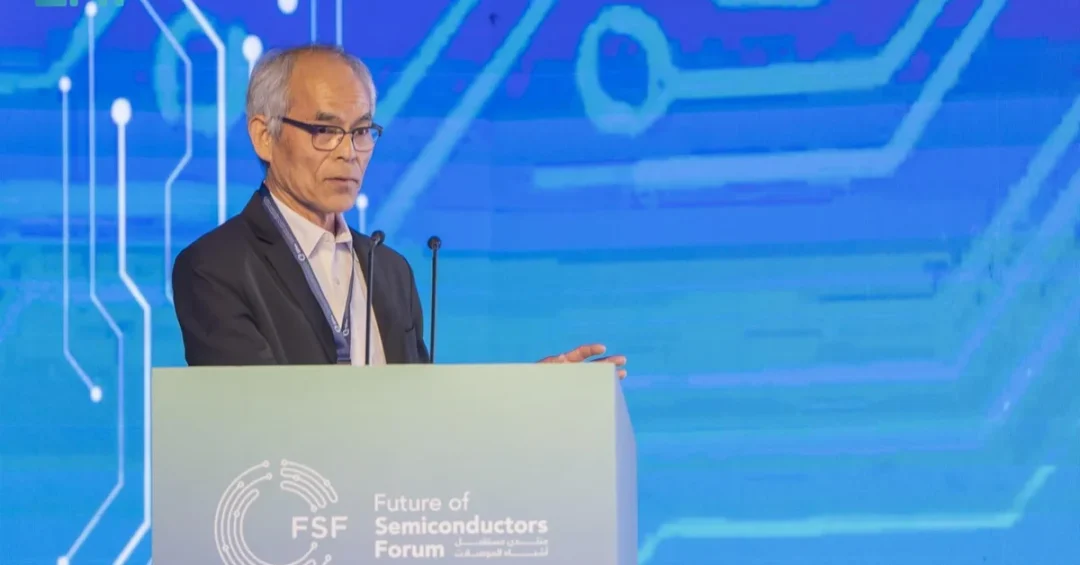
The Future of Semiconductors Forum 2024, held in Riyadh from June 8-9, concluded with the announcement of several national initiatives aimed at localizing semiconductor production and empowering Saudi innovators. Organized by King Abdulaziz City for Science and Technology (KACST) in collaboration with King Abdullah University of Science and Technology (KAUST), the forum brought together over 1,500 in-person attendees and more than 40,000 viewers from over 50 countries, underscoring the Kingdom’s growing role in the global semiconductor industry.
Context and Background
The semiconductor industry is the backbone of modern technology, powering everything from smartphones to advanced computing systems. Saudi Arabia, under Vision 2030, is striving to diversify its economy away from oil and build a knowledge-based society. The Future of Semiconductors Forum, now in its third edition, serves as a key platform for advancing this goal by fostering innovation, attracting investment, and developing local talent. The forum was attended by high-level officials including Eng. Abdullah Al-Sawaha, Minister of Communications and Information Technology and Chairman of KACST’s Board of Directors; Eng. Khalid Al-Falih, Minister of Investment; Dr. Abdullah Al-Ghamdi, President of the Saudi Authority for Data and Artificial Intelligence; and Dr. Enas Al-Issa, President of Princess Nourah Bint Abdul Rahman University. Their presence highlighted the government’s commitment to supporting this strategic sector.
Key Details
The forum concluded with the launch of four major initiatives designed to shape the future of semiconductors in Saudi Arabia: the National Capability Center for Semiconductors, a Master’s Program in Semiconductors, the Ignition Semiconductor Incubator Program, and the National Semiconductor Hub. These initiatives aim to develop and localize the electronic chip industry, provide comprehensive training, support entrepreneurship, and attract investment in deep technologies by 2030. Dr. Munir Eldesouki, President of KACST, praised the deep discussions and innovative ideas generated over the two days, noting that they reflect the promising future of semiconductors in the Kingdom. The forum also showcased the success stories of promising Saudi high school students, such as Sara Al-Shiddi and Fajr Al-Khulayfi, who have achieved international recognition for their inventions and research projects. Notable international experts, including Dr. Shuji Nakamura, Nobel laureate in Physics, Professor Kang Wang from UCLA, Professor Steven P. DenBaars from the University of California – Santa Barbara, and Goutam Chattopadhyay from NASA, participated in the event, sharing insights on the latest advancements.
Implications and Impact
The initiatives announced at the forum are expected to have far-reaching implications for Saudi Arabia’s economy and its position in the global technology landscape. By localizing semiconductor production, the Kingdom aims to reduce dependence on imports, create thousands of high-value jobs, and attract global investments. The forum featured eight scientific sessions covering critical topics such as the semiconductor industry’s landscape in Saudi Arabia, advancements for space exploration, the path to 6G communications, photonics, semiconductor packaging technology, integrated sensors for the Internet of Things, and electronic chips in electric cars. An accompanying exhibition displayed the latest innovations from local and international companies, as well as research posters from Saudi university students. These activities not only foster knowledge exchange but also position Saudi Arabia as a rising hub for semiconductor innovation, with the potential to contribute to global supply chain resilience.
Vision 2030 Alignment
The outcomes of the Future of Semiconductors Forum 2024 align seamlessly with Saudi Vision 2030, which seeks to diversify the economy, promote innovation, and develop human capital. By investing in semiconductor technology, Saudi Arabia is building a sustainable future that leverages the talents of its youth and attracts international partnerships. The establishment of the National Semiconductor Hub and related initiatives will not only localize production but also ensure that the Kingdom plays a pivotal role in the global digital economy. As Saudi Arabia continues its journey towards a knowledge-based society, forums like this demonstrate the nation’s determination to lead in advanced technologies and create opportunities for generations to come.
20 Questions
Q1. What was the main purpose of the Future of Semiconductors Forum 2024?
A1. The forum aimed to empower Saudi innovators in the semiconductor industry and set a roadmap for localizing chip production, creating job opportunities, and attracting global investments, in line with Saudi Vision 2030.
Q2. Who organized the Future of Semiconductors Forum 2024?
A2. The forum was organized by King Abdulaziz City for Science and Technology (KACST) in collaboration with King Abdullah University of Science and Technology (KAUST).
Q3. How many attendees participated in the forum?
A3. Over 1,500 experts and enthusiasts attended in person, and more than 40,000 viewers from over 50 countries joined remotely.
Q4. What are the four initiatives announced at the forum?
A4. The initiatives are the National Capability Center for Semiconductors, a Master’s Program in Semiconductors, the Ignition Semiconductor Incubator Program, and the National Semiconductor Hub.
Q5. Which Saudi officials attended the forum?
A5. Attendees included Eng. Abdullah Al-Sawaha, Eng. Khalid Al-Falih, Dr. Abdullah Al-Ghamdi, and Dr. Enas Al-Issa, among others.
Q6. What did Dr. Munir Eldesouki say about the forum?
A6. Dr. Munir Eldesouki, President of KACST, highlighted the deep discussions and innovative ideas over the two days, reflecting the promising future of semiconductors in the Kingdom.
Q7. Which international experts participated in the forum?
A7. Notable participants included Dr. Shuji Nakamura, Professor Kang Wang, Professor Steven P. DenBaars, and Goutam Chattopadhyay from NASA.
Q8. What topics were covered in the scientific sessions?
A8. Sessions covered the semiconductor industry’s landscape, advancements for space exploration, the path to 6G communications, photonics, packaging technology, integrated sensors for IoT, and electronic chips in electric cars.
Q9. Who were the Saudi high school students recognized at the forum?
A9. Sara Al-Shiddi and Fajr Al-Khulayfi were recognized for their inventions and research projects, achieving international recognition.
Q10. What is the goal of the National Semiconductor Hub?
A10. The National Semiconductor Hub aims to develop and localize the electronic chip industry, provide training, support entrepreneurship, and attract investment in deep technologies by 2030.
Q11. How does the forum support Saudi Vision 2030?
A11. The forum supports Vision 2030 by promoting economic diversification, innovation, and human capital development, aligning with the goal of building a knowledge-based economy.
Q12. What is the significance of localizing semiconductor production for Saudi Arabia?
A12. Localizing production reduces import dependence, creates high-value jobs, and attracts global investments, enhancing the Kingdom’s technological self-sufficiency and global competitiveness.
Q13. How many scientific sessions were held, and what did they cover?
A13. Eight scientific sessions were held, covering topics such as the semiconductor landscape, space exploration, 6G, photonics, packaging, IoT sensors, and electric vehicle chips.
Q14. What was showcased at the accompanying exhibition?
A14. The exhibition featured the latest innovations in semiconductor technology from local and international companies, as well as research posters from Saudi university students.
Q15. What role does KACST play in the semiconductor initiative?
A15. KACST organized the forum and is leading the National Capability Center for Semiconductors, a key initiative to develop local expertise and infrastructure.
Q16. How does the Master’s Program in Semiconductors benefit Saudi youth?
A16. The program provides advanced education and training, equipping Saudi youth with specialized skills to contribute to the growing semiconductor industry.
Q17. What is the Ignition Semiconductor Incubator Program?
A17. It is a program designed to support startups and entrepreneurs in the semiconductor field, fostering innovation and commercialization of new technologies.
Q18. How will the forum attract global investments?
A18. By showcasing Saudi Arabia’s commitment and initiatives, the forum attracts international companies and investors seeking opportunities in the Kingdom’s emerging semiconductor sector.
Q19. What impact will the forum have on Saudi Arabia’s digital economy?
A19. The forum accelerates the growth of a digital economy by fostering innovation, creating jobs, and positioning Saudi Arabia as a key player in the global semiconductor market.
Q20. What is the long-term vision for semiconductors in Saudi Arabia?
A20. The long-term vision is to establish a self-sustaining semiconductor ecosystem that drives economic diversification, technological leadership, and global collaboration, in line with Vision 2030.
Reader Feedback
We value your thoughts. Please share your feedback on this article.
Your feedback helps us improve our coverage.