


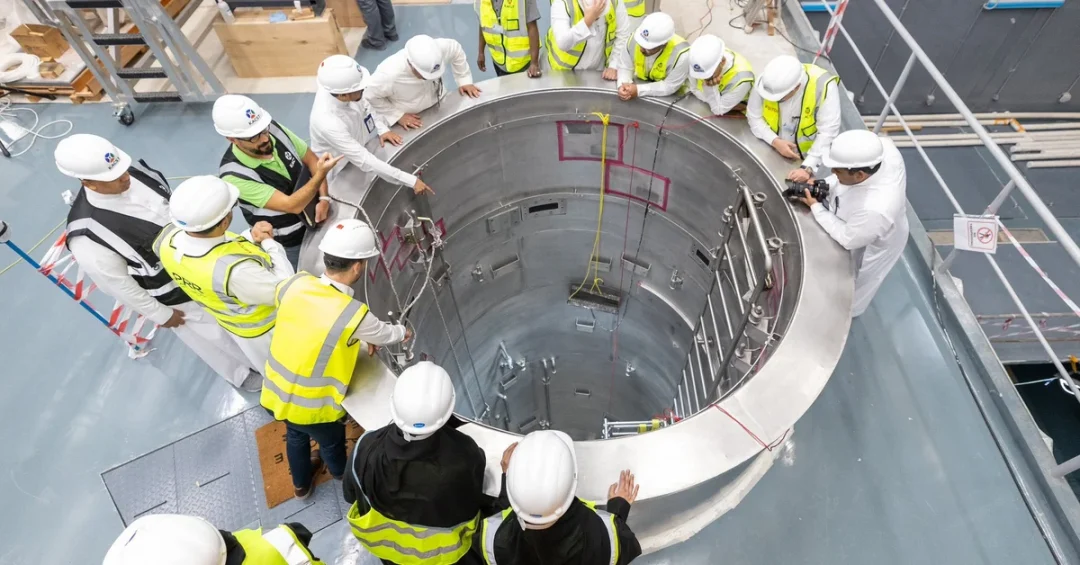
The King Abdullah City for Atomic and Renewable Energy (KACARE) has successfully concluded the first practical training program of its kind in operating and simulating nuclear reactor systems, held from May 26 to June 6, 2024. The program, organized by King Abdulaziz City for Science and Technology (KACST) in collaboration with Argentina’s INVAP Corporation, used a low-energy research reactor specifically equipped for education and training purposes. More than 30 specialists in science and engineering from nine government agencies participated, marking a significant step in Saudi Arabia’s efforts to build indigenous nuclear expertise.
Context and Background
Saudi Arabia has been steadily advancing its nuclear energy capabilities as part of its long-term strategic vision. The Kingdom established KACARE to lead the development of atomic and renewable energy, while KACST serves as the national research institution. The collaboration with INVAP, an Argentine state-owned company known for designing and constructing research reactors globally, reflects Saudi Arabia’s commitment to international cooperation in peaceful nuclear applications. This training program aligns with the Kingdom’s broader objectives to diversify energy sources, enhance technological self-sufficiency, and meet future energy demands sustainably.
Key Details
The training program focused on enhancing human competencies in nuclear reactor operation and simulation. Participants gained essential knowledge about reactor systems, operational procedures, and nuclear safety and security verification through advanced simulation systems. The curriculum covered nuclear reactor systems and subsystems, the creation of a nuclear reactor simulation program, operational procedures for a low-energy research reactor, and hands-on practical training. The Low Energy Research Reactor (LPRR) being constructed at KACST headquarters will serve as a critical facility for research, education, and isotope production. The involvement of nine government agencies underscores a coordinated national approach to nuclear capacity building.
Implications and Impact
This initiative represents a cornerstone in Saudi Arabia’s journey toward a peaceful nuclear energy program. By qualifying a cadre of skilled operators, the Kingdom is laying the groundwork for the safe and efficient operation of future nuclear facilities. The collaboration with INVAP demonstrates Saudi Arabia’s openness to international partnerships and its adherence to global nuclear safety standards. Regionally, it positions the Kingdom as a leader in nuclear science and technology, contributing to energy security and economic diversification. The program also supports the development of a knowledge-based economy, creating high-skilled jobs and fostering innovation.
Vision 2030 Alignment
This training program directly supports Saudi Vision 2030’s goals of diversifying the economy, developing human capital, and ensuring sustainable energy. By investing in nuclear education and training, the Kingdom is building the expertise needed to integrate nuclear power into its energy mix, reduce reliance on hydrocarbons, and meet growing electricity demands. The initiative also strengthens Saudi Arabia’s position as a hub for advanced research and innovation, in line with Vision 2030’s ambition to create a diversified and knowledge-driven economy. As the Kingdom continues to advance its nuclear program, such programs will be vital in ensuring safety, security, and operational excellence.
20 Questions
Q1. What was the purpose of the training program?
A1. The program aimed to enhance human competencies and provide participants with essential knowledge about operating and simulating nuclear reactors, including reactor systems, operational procedures, and nuclear safety and security procedures.
Q2. Who organized the training program?
A2. The program was organized by King Abdulaziz City for Science and Technology (KACST) in collaboration with the Argentine INVAP Corporation, and hosted by KACARE.
Q3. When and where did the training take place?
A3. The training took place from May 26 to June 6, 2024, at facilities associated with KACST in Riyadh, Saudi Arabia, using a low-energy research reactor equipped for education.
Q4. How many participants attended the program?
A4. More than 30 trainees, including specialists in science and engineering from nine government agencies, participated in the program.
Q5. What type of reactor was used for training?
A5. A low-energy research reactor specifically equipped for education and training purposes was used, along with advanced simulation systems.
Q6. What is INVAP Corporation’s role?
A6. INVAP is an Argentine state-owned company specializing in nuclear technology. It collaborated with KACST to provide expertise and training for the program.
Q7. What topics were covered in the training?
A7. Topics included nuclear reactor systems and subsystems, creating a nuclear reactor simulation program, operational procedures for a low-energy research reactor, and hands-on practical training.
Q8. What is the Low Energy Research Reactor (LPRR)?
A8. The LPRR is a research reactor being constructed at KACST headquarters. It will be used for education, training, research, and isotope production.
Q9. Why is this training important for Saudi Arabia?
A9. It builds indigenous nuclear expertise, supports the development of a peaceful nuclear energy program, and aligns with Saudi Vision 2030’s goals of economic diversification and sustainable energy.
Q10. How does this program align with Vision 2030?
A10. It supports human capital development, energy diversification, and the creation of a knowledge-based economy, all key pillars of Vision 2030.
Q11. What government agencies participated?
A11. Nine government agencies participated, including KACARE and KACST. Specific agencies were not listed in the source, but they represent various scientific and engineering sectors.
Q12. What safety aspects were emphasized?
A12. The program emphasized nuclear safety and security procedures, verified through simulation systems, ensuring participants are well-versed in safe operational practices.
Q13. What are the benefits of using simulation systems?
A13. Simulation systems allow trainees to practice operational procedures in a safe, controlled environment, enhancing their skills without the risks associated with live reactor operations.
Q14. How does this program contribute to Saudi Arabia’s energy mix?
A14. By developing nuclear expertise, the Kingdom can incorporate nuclear power into its energy mix, reducing reliance on hydrocarbons and ensuring sustainable energy for future generations.
Q15. What is KACARE’s role in Saudi Arabia’s nuclear program?
A15. KACARE leads the development of atomic and renewable energy in Saudi Arabia, overseeing policies, projects, and international cooperation in peaceful nuclear applications.
Q16. What is KACST’s role?
A16. KACST is Saudi Arabia’s national research institution, responsible for science and technology development, including the construction and operation of the LPRR.
Q17. Will there be follow-up training programs?
A17. While no specific plans were announced, the successful completion of this program suggests that further training initiatives will likely be conducted to sustain capacity building.
Q18. How does this collaboration with INVAP affect international relations?
A18. It strengthens Saudi-Argentine ties and demonstrates the Kingdom’s commitment to international cooperation in peaceful nuclear technology, enhancing its global standing.
Q19. What are the long-term goals of Saudi Arabia’s nuclear program?
A19. Long-term goals include diversifying energy sources, achieving self-sufficiency in nuclear technology, and contributing to sustainable development through peaceful nuclear applications.
Q20. How does this program benefit the Saudi workforce?
A20. It equips Saudi scientists and engineers with advanced skills, creating high-value jobs and fostering a knowledge-based economy, in line with Vision 2030’s human capital objectives.
Reader Feedback
We value your thoughts. Please share your feedback on this article.
Your feedback helps us improve our coverage.