


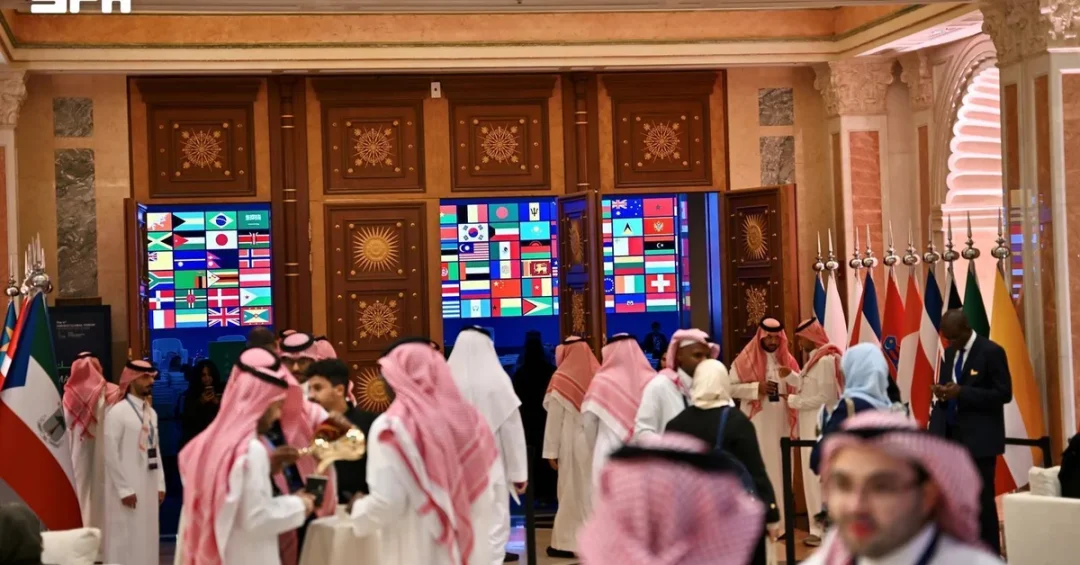
Riyadh hosted the fourth UNESCO Global Forum on the Ethics of Artificial Intelligence (GFEAI 2026) from September 14 to 17, 2026, bringing together participants from 194 countries to address the environmental impacts of AI systems and their implications for ecosystems and climate goals. The forum, held under the theme “Transforming Global Cooperation for Ethical AI Governance,” featured more than 100 speakers across 30 sessions and workshops, with a keynote session titled “AI, Environment, Ecosystems and Energy: From Readiness to Action for All, and the Tools that Will Get You There” examining the energy, water, and critical resource demands of AI systems.
Context and Background
The UNESCO Global Forum on the Ethics of Artificial Intelligence is a leading international platform for advancing ethical AI governance. Saudi Arabia’s hosting of GFEAI 2026 underscores the Kingdom’s commitment to shaping global discussions on technology and sustainability. The forum invited participants from 194 countries, reflecting its inclusive and multilateral approach. Saudi Arabia participated with AI technology and sustainability solutions aimed at supporting more efficient resource use and environmental protection, in line with the objectives of Saudi Vision 2030. The program featured contributions from several national entities in sessions addressing readiness, governance, research, safety, government applications, rights, and the environment.
Key Details
The keynote session focused on the dual nature of AI’s environmental footprint: its consumption of energy, water, and critical resources, and its potential to support sustainability. Speakers emphasized the need to shift from assessing readiness to taking practical action based on policies and tools. The forum highlighted that AI ethics extends beyond data privacy and bias to include environmental impacts, calling for a comprehensive approach that balances innovation with ecological responsibility. Saudi Arabia’s participation showcased national efforts to integrate AI with sustainability, demonstrating how technology can drive efficient resource management and environmental protection.
Implications and Impact
The discussions in Riyadh have significant implications for global AI governance. By addressing the environmental costs of AI, the forum set the stage for international cooperation on sustainable AI development. The outcomes could influence policies worldwide, encouraging countries to adopt ethical AI frameworks that consider environmental sustainability. For Saudi Arabia, hosting such a forum reinforces its role as a leader in both technology and sustainability, aligning with its Vision 2030 goals to diversify the economy and promote global partnerships. The event also strengthens Saudi Arabia’s position as a hub for international dialogue and innovation.
Vision 2030 Alignment
Saudi Vision 2030 aims to transform the Kingdom into a diversified, sustainable economy, with technology and innovation as key pillars. The GFEAI 2026 forum aligns with this vision by promoting ethical AI governance that supports environmental sustainability. Saudi Arabia’s active participation and hosting of the event demonstrate its commitment to global cooperation and responsible AI development. As the Kingdom continues to invest in AI and sustainability, it positions itself as a model for other nations, driving progress toward a more sustainable and ethical digital future.
20 Questions
Q1. What is the UNESCO Global Forum on the Ethics of Artificial Intelligence?
A1. The UNESCO Global Forum on the Ethics of Artificial Intelligence is an international platform that brings together experts, policymakers, and stakeholders to discuss ethical AI governance. The fourth edition, GFEAI 2026, was hosted by Saudi Arabia in Riyadh.
Q2. When and where did GFEAI 2026 take place?
A2. GFEAI 2026 took place in Riyadh, Saudi Arabia, from September 14 to 17, 2026. It was hosted by Saudi Arabia under the theme “Transforming Global Cooperation for Ethical AI Governance.”
Q3. How many countries participated in GFEAI 2026?
A3. Participants from 194 countries were invited to GFEAI 2026, making it a truly global event. More than 100 speakers took part in 30 sessions and workshops.
Q4. What was the theme of GFEAI 2026?
A4. The theme was “Transforming Global Cooperation for Ethical AI Governance.” It focused on advancing international collaboration to ensure AI is developed and used ethically.
Q5. What was the focus of the keynote session on AI and the environment?
A5. The keynote session, titled “AI, Environment, Ecosystems and Energy: From Readiness to Action for All, and the Tools that Will Get You There,” examined the energy, water, and critical resource demands of AI systems, as well as their potential to support sustainability and risks to ecosystems and climate goals.
Q6. Why is the environmental impact of AI a concern?
A6. AI systems consume significant amounts of energy, water, and critical resources, which can affect ecosystems and climate goals. Addressing these impacts is essential for sustainable AI development.
Q7. How did Saudi Arabia participate in GFEAI 2026?
A7. Saudi Arabia participated with AI technology and sustainability solutions aimed at supporting more efficient resource use and environmental protection, in line with Saudi Vision 2030 objectives. National entities contributed to sessions on readiness, governance, research, safety, government applications, rights, and the environment.
Q8. What is the significance of Saudi Arabia hosting this forum?
A8. Hosting GFEAI 2026 reinforces Saudi Arabia’s role as a leader in technology and sustainability, and its commitment to global cooperation. It aligns with Vision 2030 goals to diversify the economy and promote international partnerships.
Q9. What does the shift from readiness to action mean in AI ethics?
A9. It means moving beyond assessing preparedness to implementing practical policies and tools that ensure AI is developed and used ethically, including addressing environmental impacts.
Q10. How does AI ethics relate to environmental sustainability?
A10. AI ethics encompasses the environmental footprint of AI systems, including their energy and resource consumption. Ethical AI governance must consider these impacts to ensure sustainability.
Q11. What are some tools mentioned for sustainable AI?
A11. The forum discussed tools and policies that can help mitigate AI’s environmental impacts, such as energy-efficient algorithms, renewable energy sources, and resource management strategies.
Q12. What role does UNESCO play in AI ethics?
A12. UNESCO leads global efforts to develop ethical frameworks for AI, fostering international dialogue and cooperation. The Global Forum is a key part of this effort.
Q13. How can AI support environmental protection?
A13. AI can optimize resource use, monitor ecosystems, and support climate action through data analysis and predictive modeling. When developed ethically, it can be a powerful tool for sustainability.
Q14. What are the risks of AI to ecosystems?
A14. Risks include high energy and water consumption, electronic waste, and potential disruption of natural habitats. These risks must be managed through ethical governance.
Q15. What is Saudi Vision 2030?
A15. Saudi Vision 2030 is a strategic framework to diversify the Kingdom’s economy, reduce dependence on oil, and develop public service sectors. It emphasizes technology, sustainability, and global engagement.
Q16. How does GFEAI 2026 align with Vision 2030?
A16. The forum aligns with Vision 2030 by promoting ethical AI and sustainability, which are key pillars of the vision. It showcases Saudi Arabia’s commitment to innovation and global cooperation.
Q17. What outcomes are expected from GFEAI 2026?
A17. The forum aims to foster international cooperation, share best practices, and develop actionable recommendations for ethical AI governance that considers environmental sustainability.
Q18. Who attended GFEAI 2026?
A18. Participants included government officials, experts, researchers, and representatives from international organizations, academia, and the private sector from 194 countries.
Q19. How does Saudi Arabia benefit from hosting such forums?
A19. Hosting global forums enhances Saudi Arabia’s international standing, attracts investment, and fosters partnerships. It also allows the Kingdom to showcase its progress and leadership in technology and sustainability.
Q20. What is the future of AI ethics and environmental sustainability?
A20. The future lies in continued international collaboration, ethical governance, and sustainable AI development. Saudi Arabia is poised to play a leading role in this global effort, in line with Vision 2030.
Reader Feedback
We value your thoughts. Please share your feedback on this article.
Your feedback helps us improve our coverage.