


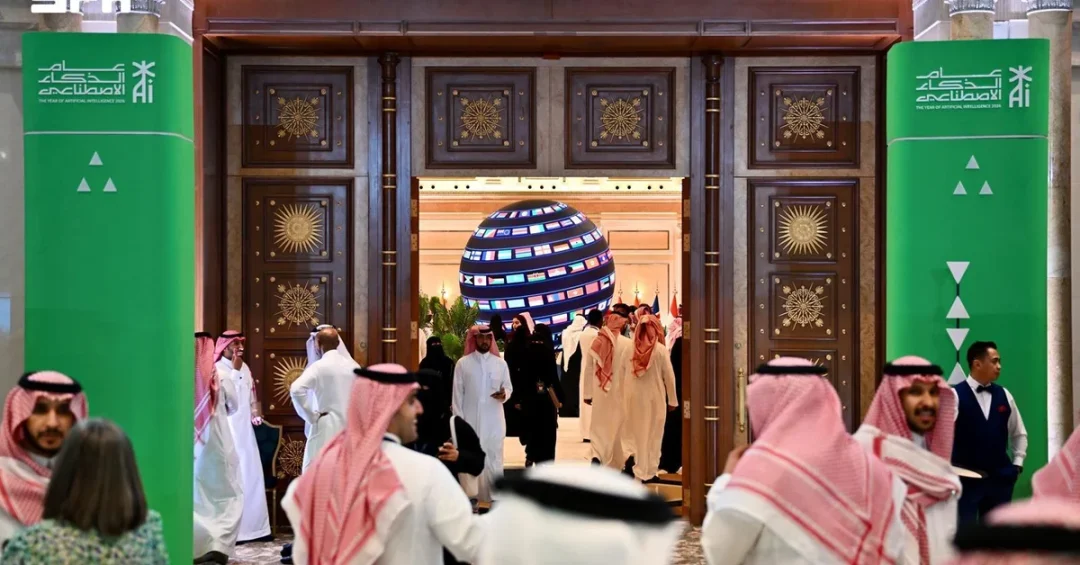
Riyadh is hosting the fourth UNESCO Global Forum on the Ethics of Artificial Intelligence (GFEAI 2026), bringing together global policymakers, experts, and academics to shift the AI debate from technological capability to human impact. The forum, held in the Saudi capital from September 16, 2026, focuses on responsible deployment of AI and closing the gap between rapid technological development and the ability of governments and institutions to govern it, according to the Saudi Press Agency (SPA).
Context and Background
The UNESCO Global Forum on the Ethics of Artificial Intelligence has become a key international platform for addressing the ethical challenges posed by AI. The fourth edition, hosted by Saudi Arabia, underscores the Kingdom’s growing role in global dialogues on technology governance. Discussions in Riyadh are centered on how AI can improve people’s lives and deliver lasting benefits to societies, moving beyond the question of whether machines can learn, analyze, and make decisions.
Sessions have highlighted gaps in infrastructure, capabilities, skills, and access to technology, alongside calls for a more equitable distribution of the benefits of the global AI transformation. The forum also emphasizes the need for international cooperation to ensure that AI serves development rather than exacerbating inequalities.
Key Details
The forum brings together a diverse group of stakeholders, including government officials, technology experts, and representatives of international organizations. Discussions are focused on responsible AI deployment and the ethical implications of emerging technologies. Participants are examining how AI can be directed toward development and public good, rather than being treated solely as a technological shift.
Key topics include the importance of infrastructure and skills development, the need for inclusive access to AI technologies, and the role of governance in ensuring that AI benefits are widely shared. The forum also provides a platform for exchanging expertise and perspectives on how to encourage innovation that serves people and the public good.
Implications and Impact
The outcomes of GFEAI 2026 are expected to influence global AI policies and frameworks. By hosting the forum, Saudi Arabia reinforces its commitment to shaping international discussions on AI ethics and governance. The event also highlights the Kingdom’s efforts to position itself as a leader in responsible AI development, aligning with its broader strategic goals.
The forum’s emphasis on human impact reflects a growing global consensus that AI’s true value is measured not only by its ability to process vast amounts of data or perform complex tasks, but also by its impact on people’s lives and its ability to provide solutions that improve services, support development, increase efficiency, and expand access to knowledge and innovation.
Vision 2030 Alignment
Saudi Arabia’s hosting of GFEAI 2026 is closely aligned with Vision 2030, the Kingdom’s comprehensive plan to diversify its economy and enhance its global engagement. Vision 2030 emphasizes the importance of technology and innovation as drivers of economic growth and social development. By facilitating global discussions on AI ethics, Saudi Arabia is contributing to the creation of a responsible and inclusive AI ecosystem that can benefit all of humanity.
Moreover, the forum supports Vision 2030’s goals of fostering international partnerships and positioning the Kingdom as a hub for knowledge exchange and innovation. As the world grapples with the challenges and opportunities of AI, Saudi Arabia’s leadership in this domain underscores its commitment to a future where technology serves people and societies.
20 Questions
Q1. What is the fourth UNESCO Global Forum on the Ethics of Artificial Intelligence?
A1. It is a major international conference hosted by Saudi Arabia in Riyadh, bringing together policymakers, experts, and academics to discuss the ethical challenges and responsible deployment of artificial intelligence.
Q2. When and where is GFEAI 2026 taking place?
A2. GFEAI 2026 is being held in Riyadh, Saudi Arabia, starting September 16, 2026, as reported by the Saudi Press Agency (SPA).
Q3. What is the main focus of the forum?
A3. The forum focuses on responsible AI deployment, addressing the gap between rapid technological development and governance capabilities, and ensuring AI benefits are equitably distributed to improve people’s lives.
Q4. Who is participating in the forum?
A4. Participants include government officials, technology experts, academics, and representatives of international organizations from around the world.
Q5. Why is Saudi Arabia hosting this forum?
A5. Saudi Arabia is hosting the forum to contribute to global AI ethics discussions, showcase its leadership in technology governance, and support its Vision 2030 goals of innovation and international cooperation.
Q6. What gaps are highlighted in the discussions?
A6. Sessions highlight gaps in infrastructure, capabilities, skills, and access to technology, as well as the need for a more equitable distribution of AI benefits globally.
Q7. How is the concept of technological progress being reshaped?
A7. The forum emphasizes that AI’s value should be measured by its impact on people’s lives and its ability to improve services, support development, and expand access to knowledge.
Q8. What role does UNESCO play in this forum?
A8. UNESCO organizes the Global Forum on the Ethics of AI, providing a platform for international dialogue and setting ethical standards for AI development and deployment.
Q9. What are the expected outcomes of GFEAI 2026?
A9. The forum aims to influence global AI policies, promote ethical guidelines, and foster international cooperation to ensure AI benefits are shared equitably.
Q10. How does the forum address the pace of AI development?
A10. Discussions focus on bridging the gap between fast-paced technological advancements and the slower ability of governments and institutions to govern AI effectively.
Q11. What is the significance of Riyadh as a venue?
A11. Riyadh provides a neutral platform for global stakeholders to exchange expertise and perspectives, reinforcing Saudi Arabia’s role as a facilitator of international dialogue on AI.
Q12. How does the forum promote innovation for public good?
A12. By encouraging discussions on directing AI toward development and public benefit, the forum seeks to ensure innovation serves people rather than just technological progress.
Q13. What are the ethical concerns surrounding AI?
A13. Ethical concerns include bias, privacy, access inequality, and the potential for AI to exacerbate social and economic disparities if not governed responsibly.
Q14. How can AI improve people’s lives?
A14. AI can enhance services, increase efficiency, support development, and expand access to knowledge and innovation, leading to improved quality of life.
Q15. What is Saudi Arabia’s stance on AI ethics?
A15. Saudi Arabia supports responsible AI development that aligns with human values and contributes to global sustainable development, as reflected in its hosting of GFEAI 2026.
Q16. How does GFEAI 2026 align with Vision 2030?
A16. The forum aligns with Vision 2030 by promoting technology and innovation, fostering international partnerships, and positioning Saudi Arabia as a hub for knowledge exchange.
Q17. What challenges does AI governance face globally?
A17. Challenges include varying regulatory frameworks, lack of infrastructure in developing countries, and the need for international cooperation to ensure ethical AI deployment.
Q18. How can countries bridge the AI divide?
A18. Countries can bridge the divide through capacity building, technology transfer, and inclusive policies that ensure equitable access to AI benefits.
Q19. What is the role of policymakers in AI ethics?
A19. Policymakers are responsible for creating regulations that promote ethical AI use, protect citizens, and foster innovation while mitigating risks.
Q20. What is the long-term vision for AI according to the forum?
A20. The long-term vision is to harness AI for sustainable development, ensuring it serves humanity and contributes to a more equitable and prosperous world.
Reader Feedback
We value your thoughts. Please share your feedback on this article.
Your feedback helps us improve our coverage.