


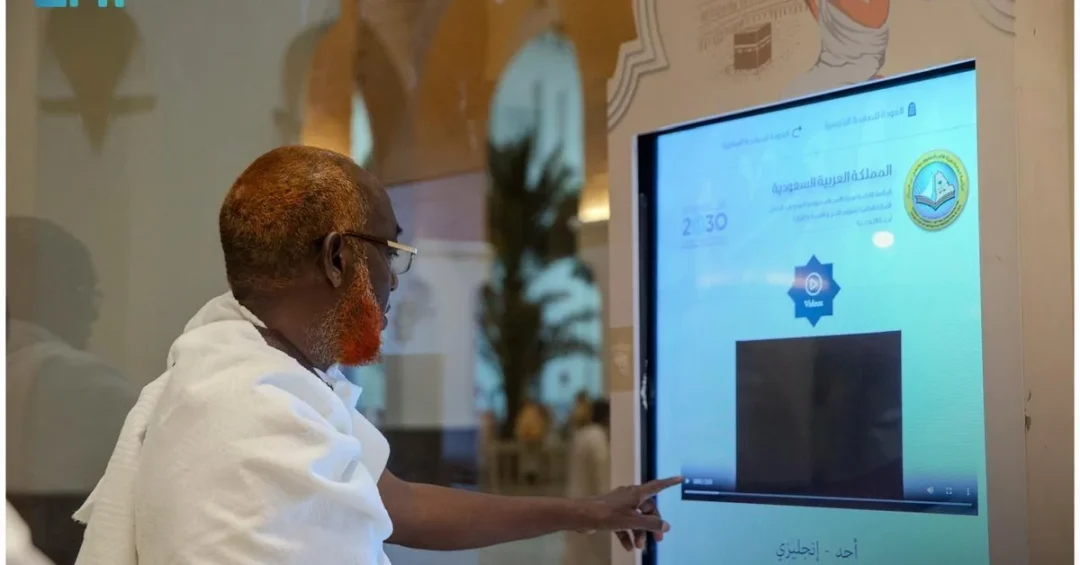
The General Presidency of the Commission for Promotion of Virtue and Prevention of Vice (CPVPV) has rolled out a comprehensive plan to enrich the experience of pilgrims and visitors in Madinah, featuring over 1.24 million smart cards and 17 advanced technical services. The initiative, announced via the Saudi Press Agency (SPA), includes five awareness centers and field points strategically located in Al-Baqi’, Al-Shuhada, Quba, Al-Miqat, and Badr, aiming to provide seamless support from arrival to departure.
Context and Background
Madinah, the second holiest city in Islam, welcomes millions of pilgrims annually, particularly during Hajj and Umrah seasons. To accommodate this influx and enhance spiritual journeys, Saudi authorities have consistently invested in infrastructure and technology. The CPVPV, responsible for promoting virtue and preventing vice, has expanded its role to include visitor services, aligning with Vision 2030’s goal to elevate pilgrimage experiences. This plan builds on previous years’ successes, integrating feedback and leveraging digital innovations to meet evolving needs.
Key Details
The CPVPV’s plan encompasses a range of technological tools designed to assist visitors. The “Mabroor” app, available on major operating systems, offers comprehensive guidance, while the Hajj and Umrah platforms provide essential information. An interactive digital platform and 3D augmented reality features bring historical and religious sites to life. QR codes, a chatbot service, Wi-Fi, and NFC technology facilitate easy access to information, and interactive maps help navigate the area. The “Shawahid” (Witnesses) initiative offers educational content, comprising over 1,303 text, audio, and visual materials translated into 15 languages. Additionally, the “Tamkeen” (Empowerment) initiative enables staff to communicate in sign language with non-Arabic-speaking pilgrims.
To ensure service quality, approximately 160 field, administrative, and translation staff have been assigned. Furthermore, 1,240,000 smart cards containing educational content and a unified service provider number have been allocated to enhance the visitor experience. These cards streamline access to services and provide essential information at visitors’ fingertips.
Implications and Impact
This initiative significantly enhances the pilgrimage experience by providing seamless, tech-driven support. It reflects Saudi Arabia’s commitment to hospitality and religious service, accommodating diverse linguistic and accessibility needs. The translation into 15 languages and sign language support demonstrate inclusivity, making the spiritual journey more accessible to a global audience. Moreover, the smart cards and digital platforms improve crowd management and information dissemination, contributing to safety and satisfaction. This sets a benchmark for future mega-events and underscores Saudi Arabia’s leadership in smart city technologies and visitor services.
Vision 2030 Alignment
This development is a testament to Saudi Arabia’s Vision 2030, which aims to diversify the economy and enhance quality of life. By leveraging technology to enrich religious tourism, the Kingdom not only improves the pilgrim experience but also strengthens its position as a global leader in hospitality and innovation. The CPVPV’s efforts align with the vision’s objectives to increase Umrah capacity and provide world-class services, ultimately contributing to the success of Vision 2030 and showcasing the Kingdom’s dedication to serving Islam and Muslims worldwide.
20 Questions
Q1. What is the purpose of the CPVPV’s comprehensive plan in Madinah?
A1. The plan aims to enrich the experience of pilgrims and visitors in Madinah by providing advanced technological services, awareness centers, and support from arrival to departure, ensuring a seamless and spiritually fulfilling journey.
Q2. How many smart cards have been allocated for visitors?
A2. Approximately 1,240,000 smart cards containing educational content and a unified service provider number have been allocated to enhance the visitor experience in Madinah.
Q3. What are the five locations of the awareness centers and field points?
A3. The five locations are Al-Baqi’, Al-Shuhada, Quba, Al-Miqat, and Badr. These centers provide guidance and support to pilgrims and visitors throughout their stay in Madinah.
Q4. What is the “Mabroor” app and what does it offer?
A4. The “Mabroor” app is a mobile application available on major operating systems. It offers comprehensive guidance and educational content to help pilgrims and visitors navigate their spiritual journey in Madinah.
Q5. How many technical services are included in the plan?
A5. The plan includes 17 quality technologies, such as the Mabroor app, Hajj and Umrah platforms, interactive digital platform, 3D augmented reality, QR codes, chatbot service, Wi-Fi, NFC technology, interactive maps, and the Shawahid initiative.
Q6. What is the “Shawahid” initiative?
A6. The “Shawahid” (Witnesses) initiative is part of the CPVPV’s efforts to provide educational content. It offers over 1,303 text, audio, and visual materials translated into 15 languages to enrich visitors’ understanding.
Q7. How many languages is the educational content translated into?
A7. The educational content is translated into 15 languages, ensuring accessibility for non-Arabic-speaking pilgrims and visitors from diverse backgrounds.
Q8. What is the “Tamkeen” initiative?
A8. The “Tamkeen” (Empowerment) initiative enables qualified CPVPV staff to communicate in sign language with non-Arabic-speaking pilgrims, promoting inclusivity and accessibility for all visitors.
Q9. How many staff members have been assigned to serve visitors?
A9. Approximately 160 field, administrative, and translation staff with relevant expertise have been assigned to ensure high-quality service and support for pilgrims and visitors in Madinah.
Q10. What role do QR codes play in the visitor experience?
A10. QR codes provide quick access to digital content, interactive maps, and educational materials. They enhance convenience by allowing visitors to scan and retrieve information instantly using their smartphones.
Q11. How does the chatbot service assist visitors?
A11. The chatbot service offers automated responses to common inquiries, providing instant support and information to visitors. It operates 24/7, ensuring assistance is available at any time.
Q12. What is the significance of NFC technology in this plan?
A12. NFC (Near Field Communication) technology enables contactless interactions, such as tapping smart cards or smartphones to access information or services. It streamlines processes and enhances user convenience.
Q13. How does the plan accommodate non-Arabic speakers?
A13. The plan accommodates non-Arabic speakers through translated content in 15 languages, sign language support via the Tamkeen initiative, and multilingual staff, ensuring inclusive access to services and information.
Q14. What is the unified service provider number on the smart cards?
A14. The unified service provider number is a dedicated contact number that visitors can use to reach CPVPV support services. It provides a single point of contact for inquiries and assistance.
Q15. How do interactive maps enhance the visitor experience?
A15. Interactive maps provide real-time navigation and location-based information, helping visitors find key sites, services, and facilities around the Prophet’s Mosque and other areas in Madinah.
Q16. What is the role of the CPVPV in serving pilgrims?
A16. The CPVPV promotes virtue and prevents vice, but also extends its role to serve pilgrims by providing guidance, awareness, and technological support to ensure a safe and enriching spiritual journey.
Q17. How does this plan align with Saudi Vision 2030?
A17. The plan aligns with Vision 2030 by leveraging technology to enhance religious tourism, improve quality of life, and showcase Saudi Arabia’s leadership in hospitality and innovation, contributing to economic diversification.
Q18. What are the 3D augmented reality features used for?
A18. 3D augmented reality features provide immersive experiences, allowing visitors to visualize historical and religious sites, enhancing their understanding and spiritual connection to the holy sites in Madinah.
Q19. How can visitors access Wi-Fi services in Madinah?
A19. Visitors can access free Wi-Fi services at designated hotspots, including the airport, railway station, and around the Prophet’s Mosque. This ensures connectivity for using apps and digital platforms.
Q20. What impact does this initiative have on the global perception of Saudi Arabia?
A20. The initiative enhances Saudi Arabia’s global image as a technologically advanced and hospitable nation, dedicated to serving pilgrims. It reinforces the Kingdom’s commitment to Vision 2030 and its role as a leader in religious tourism.
Reader Feedback
We value your thoughts. Please share your feedback on this article.
Your feedback helps us improve our coverage.