


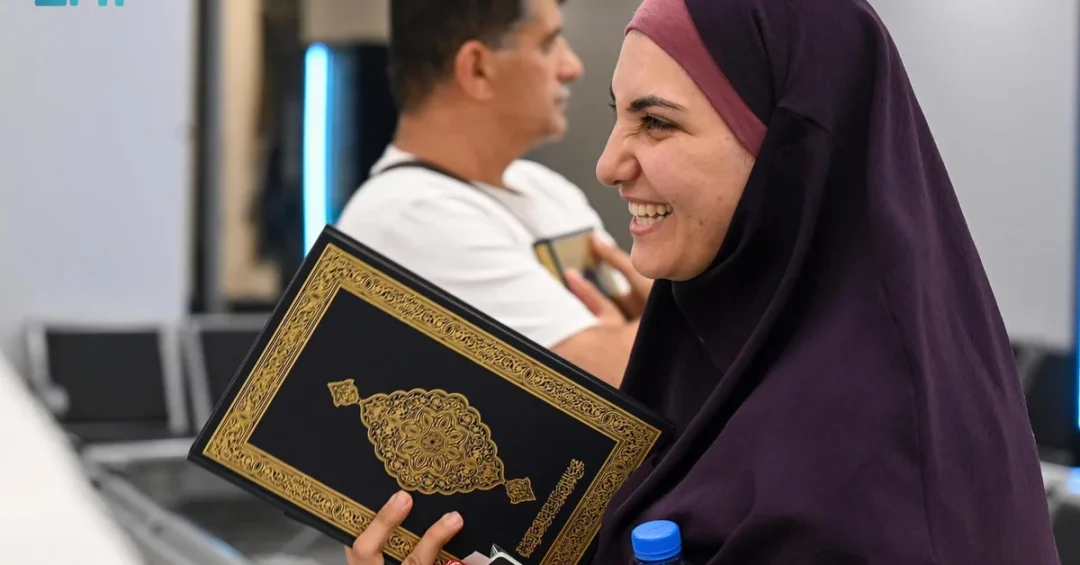
The Pilgrims City at the Halat Ammar Border Crossing in Tabuk has entered the second and final phase of its operations, providing comprehensive services to pilgrims departing after completing Hajj rituals. Under the supervision of Prince Fahd bin Sultan bin Abdulaziz, Governor of Tabuk and General Supervisor of Hajj in the region, the facility is ensuring a smooth and dignified departure for pilgrims returning home via the border crossing.
Context and Background
The Halat Ammar crossing, located in the northwestern region of Tabuk, serves as a vital gateway for pilgrims traveling overland to and from the Kingdom of Saudi Arabia. The Pilgrims City was established to streamline the passage of pilgrims, offering a range of services from immigration and customs to health care and accommodation. Having successfully managed the arrival phase earlier in the Hajj season, the facility has now transitioned to facilitate the departure of pilgrims after they have completed their spiritual journey in Makkah and the holy sites.
The second phase comes as part of Saudi Arabia’s broader efforts to enhance the Hajj experience, aligning with the directives of the wise leadership to provide the highest standards of service to the guests of Allah. The Kingdom annually mobilizes immense resources to ensure that pilgrims can perform their rituals with ease and comfort, reflecting its commitment to its role as the custodian of the Two Holy Mosques.
Key Details
Departing pilgrims have expressed their deep gratitude and appreciation to the Saudi government, led by the Custodian of the Two Holy Mosques, King Salman bin Abdulaziz Al Saud, and His Royal Highness the Crown Prince, for the exceptional services and facilities provided throughout their journey. They praised the major projects in the holy sites that facilitated the performance of Hajj this year with ease and convenience.
Pilgrims also commended the services and facilities provided upon their arrival through the Pilgrims City at Halat Ammar, as well as during their departure after completing the Hajj rituals. As a gesture of goodwill, each departing pilgrim received a gift from the Custodian of the Two Holy Mosques: a copy of the Holy Quran. The pilgrims offered prayers for the continued security, stability, and prosperity of the Kingdom, asking Allah to preserve its wise leadership and protect it from all harm.
Implications and Impact
The successful operation of the Pilgrims City at Halat Ammar underscores Saudi Arabia’s logistical capabilities and its dedication to ensuring a seamless Hajj experience for pilgrims from around the world. The border crossing not only facilitates the movement of thousands of pilgrims but also serves as a symbol of the Kingdom’s hospitality and organizational excellence. The positive feedback from pilgrims highlights the effectiveness of the integrated services, which include medical care, rest areas, and efficient processing, all designed to uphold the comfort and dignity of the guests of Allah.
This achievement further strengthens Saudi Arabia’s reputation as a global leader in managing large-scale religious events and reinforces its commitment to Vision 2030, which aims to enhance the quality of services provided to pilgrims and increase the capacity to host more pilgrims in the future. The smooth operation of the crossing also contributes to the economic and social development of the Tabuk region, generating opportunities for local businesses and showcasing the region’s strategic importance.
Vision 2030 Alignment
The Pilgrims City at Halat Ammar is a testament to Saudi Arabia’s unwavering commitment to Vision 2030, which seeks to elevate the Hajj and Umrah experience through infrastructure development and service excellence. By continuously improving facilities and streamlining processes, the Kingdom aims to welcome an increasing number of pilgrims while ensuring their journey is safe, comfortable, and spiritually fulfilling. The successful departure phase of this year’s Hajj operations reflects the Kingdom’s broader goals of enhancing its role as a global hub for religious tourism and demonstrating its capability to manage complex logistical challenges with efficiency and care.
20 Questions
Q1. What is the Pilgrims City at Halat Ammar?
A1. The Pilgrims City at Halat Ammar is a dedicated facility at the Halat Ammar Border Crossing in Tabuk, Saudi Arabia, designed to provide comprehensive services to pilgrims arriving and departing for Hajj. It streamlines immigration, customs, health care, and accommodation.
Q2. Who supervises the operations at the Pilgrims City?
A2. The operations are supervised by Prince Fahd bin Sultan bin Abdulaziz, the Governor of Tabuk and General Supervisor of Hajj in the region. He oversees the implementation of services to ensure a smooth experience for pilgrims.
Q3. What phase is the Pilgrims City currently in?
A3. The Pilgrims City is currently in the second and final phase of its operations, focusing on the departure of pilgrims after they have completed their Hajj rituals. This follows the successful first phase for arriving pilgrims.
Q4. What services are provided to departing pilgrims?
A4. Departing pilgrims receive a range of services including immigration processing, customs clearance, health care, rest areas, and logistical support. They are also given a copy of the Holy Quran as a gift from the Custodian of the Two Holy Mosques.
Q5. How have pilgrims responded to the services?
A5. Pilgrims have expressed deep gratitude and appreciation to the Saudi government for the exceptional services and facilities provided throughout their journey. They praised the major projects in the holy sites that facilitated their Hajj with ease.
Q6. What gift did pilgrims receive upon departure?
A6. Each departing pilgrim received a copy of the Holy Quran as a gift from the Custodian of the Two Holy Mosques, King Salman bin Abdulaziz Al Saud. This gesture reflects the Kingdom’s respect and care for the guests of Allah.
Q7. Why is the Halat Ammar crossing important?
A7. The Halat Ammar crossing is a vital gateway for pilgrims traveling overland to and from Saudi Arabia. It facilitates the movement of thousands of pilgrims and serves as a symbol of the Kingdom’s hospitality and organizational excellence.
Q8. How does the Pilgrims City contribute to Vision 2030?
A8. The Pilgrims City aligns with Vision 2030 by enhancing the quality of services provided to pilgrims, increasing capacity to host more pilgrims, and showcasing Saudi Arabia’s ability to manage large-scale religious events efficiently.
Q9. What are the major projects in the holy sites mentioned by pilgrims?
A9. The major projects in the holy sites include expansions of the Grand Mosque in Makkah, improvements in Mina and Arafat, and the development of transportation infrastructure. These projects aim to facilitate the performance of Hajj rituals with ease.
Q10. How does the Pilgrims City ensure the comfort of pilgrims?
A10. The Pilgrims City ensures comfort through integrated services such as medical care, rest areas, efficient processing, and dedicated support staff. These facilities are designed to uphold the dignity and well-being of pilgrims during their journey.
Q11. What prayers did the pilgrims offer for Saudi Arabia?
A11. Pilgrims prayed to Allah to preserve the wise leadership of Saudi Arabia, maintain its blessings of security, stability, and safety, and protect it from all harm and adversity. They expressed hope for continued prosperity.
Q12. How does the Pilgrims City impact the Tabuk region?
A12. The Pilgrims City contributes to the economic and social development of the Tabuk region by generating opportunities for local businesses and showcasing the region’s strategic importance as a gateway for pilgrims.
Q13. What is the significance of the departure phase?
A13. The departure phase is significant as it ensures that pilgrims conclude their Hajj journey smoothly and safely. It reflects Saudi Arabia’s commitment to providing comprehensive care throughout the entire pilgrimage experience.
Q14. How does Saudi Arabia benefit from the successful operation?
A14. The successful operation enhances Saudi Arabia’s reputation as a global leader in managing religious events, reinforces its commitment to Vision 2030, and demonstrates its capability to handle complex logistical challenges with efficiency and care.
Q15. What role does the Governor of Tabuk play in Hajj operations?
A15. The Governor of Tabuk, Prince Fahd bin Sultan bin Abdulaziz, serves as the General Supervisor of Hajj in the region, overseeing all operations to ensure pilgrims receive the highest standards of service and facilities.
Q16. How many pilgrims use the Halat Ammar crossing annually?
A16. Thousands of pilgrims use the Halat Ammar crossing annually, particularly those traveling overland from neighboring countries. The exact number varies each year based on Hajj quotas and travel arrangements.
Q17. What measures are in place for health and safety?
A17. The Pilgrims City provides medical care, emergency services, and health screenings to ensure the well-being of pilgrims. Sanitation and safety protocols are strictly enforced to maintain a healthy environment.
Q18. How does the gift of the Holy Quran reflect Saudi culture?
A18. The gift of the Holy Quran reflects Saudi Arabia’s deep respect for Islamic traditions and its commitment to honoring the guests of Allah. It is a gesture of spiritual significance and hospitality.
Q19. What are the future plans for the Pilgrims City?
A19. Future plans include further enhancements to infrastructure and services to accommodate more pilgrims and improve efficiency. These plans are part of Saudi Arabia’s ongoing efforts to elevate the Hajj experience.
Q20. How can pilgrims provide feedback on their experience?
A20. Pilgrims can provide feedback through various channels, including surveys, suggestion boxes, and direct communication with staff at the Pilgrims City. This feedback helps improve services for future pilgrims.
Reader Feedback
We value your thoughts. Please share your feedback on this article.
Your feedback helps us improve our coverage.