


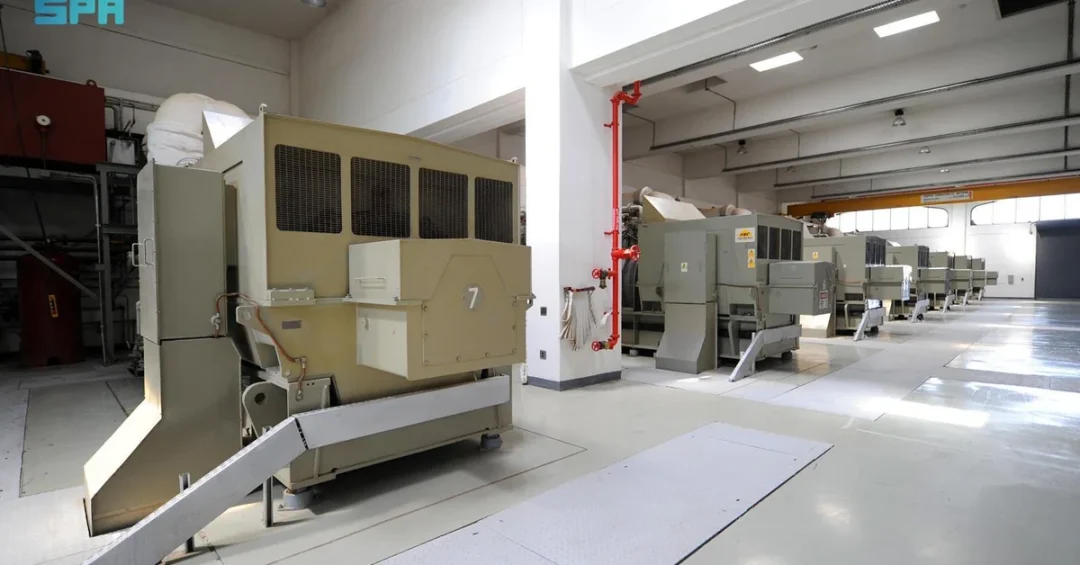
The General Authority for the Care of the Two Holy Mosques has implemented a comprehensive range of heat-mitigation measures at the Prophet’s Mosque in Madinah as Hajj pilgrims arrive amid rising summer temperatures. The authority announced that these services are designed to ensure the comfort and well-being of worshippers during the hot summer months, according to a statement released via the Saudi Press Agency.
Context and Background
The Prophet’s Mosque, one of Islam’s holiest sites, welcomes millions of pilgrims annually, particularly during the Hajj season when temperatures in Madinah can soar. The General Authority for the Care of the Two Holy Mosques, responsible for the maintenance and operation of the holy sites, has a longstanding commitment to providing a safe and comfortable environment for visitors. This year’s preparations come as part of ongoing efforts to enhance the pilgrimage experience, aligning with the Kingdom’s broader vision of service to the Two Holy Mosques.
Key Details
At the forefront of the cooling efforts is a high-efficiency air conditioning system that adjusts cooling based on external temperatures to maintain a balanced coolness throughout the mosque. The central station boasts the world’s largest water-cooling condenser, utilizing cutting-edge technology to distribute cool air efficiently. In the courtyards, 250 giant umbrellas operate automatically to provide shade, while misting fans further cool the atmosphere. The central misting water network undergoes continuous sterilization to ensure hygiene and visitor safety. Additionally, the prayer areas in the courtyards are covered with white Thassos marble, which reflects heat and light, offering a natural cooling effect. The marble’s tiny pores absorb moisture at night and release it during the day, maintaining coolness during peak temperatures.
Implications and Impact
These measures underscore Saudi Arabia’s dedication to the comfort and safety of pilgrims, reflecting the Kingdom’s role as the custodian of Islam’s holiest sites. The advanced cooling technologies not only enhance the spiritual experience but also demonstrate Saudi Arabia’s leadership in innovative solutions for large-scale crowd management. The efforts contribute to the smooth operation of Hajj and Umrah seasons, reinforcing the Kingdom’s position as a global leader in pilgrimage services.
Vision 2030 Alignment
The enhancements at the Prophet’s Mosque align with Saudi Vision 2030, which aims to elevate the quality of services provided to pilgrims and enhance the overall Hajj and Umrah experience. By leveraging cutting-edge technology and sustainable practices, the Kingdom continues to demonstrate its commitment to serving the guests of God while showcasing its modernization and hospitality on the world stage.
20 Questions
Q1. What authority is responsible for the preparations at the Prophet’s Mosque?
A1. The General Authority for the Care of the Two Holy Mosques is responsible for implementing the comprehensive heat-mitigation measures to ensure pilgrim comfort.
Q2. What is at the forefront of the cooling efforts at the Prophet’s Mosque?
A2. A high-efficiency air conditioning system that adjusts cooling based on external temperatures is at the forefront, maintaining a balanced coolness throughout the mosque.
Q3. What unique feature does the central cooling station have?
A3. The central station boasts the world’s largest water-cooling condenser, utilizing cutting-edge technology to distribute cool air efficiently across the mosque.
Q4. How many giant umbrellas are installed in the courtyards?
A4. There are 250 giant umbrellas in the courtyards, operating with an automatic system to provide shade from the summer sun.
Q5. What additional cooling method is used in the courtyards?
A5. Misting fans further cool the atmosphere, and the central misting water network undergoes continuous sterilization to ensure hygiene and visitor safety.
Q6. What material is used for prayer areas in the courtyards?
A6. White Thassos marble covers the prayer areas, reflecting heat and light to offer a natural cooling effect.
Q7. How does the marble contribute to cooling?
A7. Tiny pores in the marble absorb moisture at night and release it during the day, maintaining coolness during peak temperatures.
Q8. Why are these measures particularly important now?
A8. They are crucial as Hajj pilgrims arrive and summer temperatures rise, ensuring worshippers’ comfort and well-being during the hot months.
Q9. What does the authority’s commitment extend to?
A9. The commitment extends to the materials used in the mosque’s construction, such as the heat-reflecting marble, to enhance the cooling effect.
Q10. How does the air conditioning system adjust cooling?
A10. It adjusts cooling based on external temperatures to maintain a balanced coolness throughout the Prophet’s Mosque.
Q11. What is the role of the misting fans?
A11. Misting fans cool the atmosphere in the courtyards, complementing the umbrellas and the sterilized misting water network for visitor comfort.
Q12. What technology does the water-cooling condenser use?
A12. The condenser utilizes cutting-edge technology to distribute cool air efficiently, ensuring a comfortable environment within the mosque.
Q13. How are the umbrellas operated?
A13. The 250 giant umbrellas operate with an automatic system, providing shade without manual intervention.
Q14. Why is the misting water network sterilized continuously?
A14. Continuous sterilization ensures hygiene and visitor safety, preventing any health risks from the misting system.
Q15. What natural cooling effect does the marble offer?
A15. The white Thassos marble reflects heat and light, and its pores absorb nighttime moisture, releasing it during the day to maintain coolness.
Q16. How do these measures reflect Saudi Arabia’s dedication?
A16. They showcase the Kingdom’s commitment to providing a comfortable and safe environment for worshippers, especially during the hot summer months.
Q17. What is the significance of the Prophet’s Mosque in Islam?
A17. The Prophet’s Mosque is one of Islam’s holiest sites, attracting millions of pilgrims annually, particularly during Hajj and Umrah seasons.
Q18. How do these preparations align with Vision 2030?
A18. They align with Vision 2030 by enhancing the quality of services for pilgrims, leveraging technology, and improving the Hajj and Umrah experience.
Q19. What is the expected impact on pilgrims?
A19. Pilgrims will experience greater comfort and safety, allowing them to focus on their spiritual journey without distress from the heat.
Q20. What does this demonstrate about Saudi Arabia’s global role?
A20. It demonstrates Saudi Arabia’s leadership in innovative crowd management and its dedication to serving the guests of God, reinforcing its global role.
Reader Feedback
We value your thoughts. Please share your feedback on this article.
Your feedback helps us improve our coverage.