


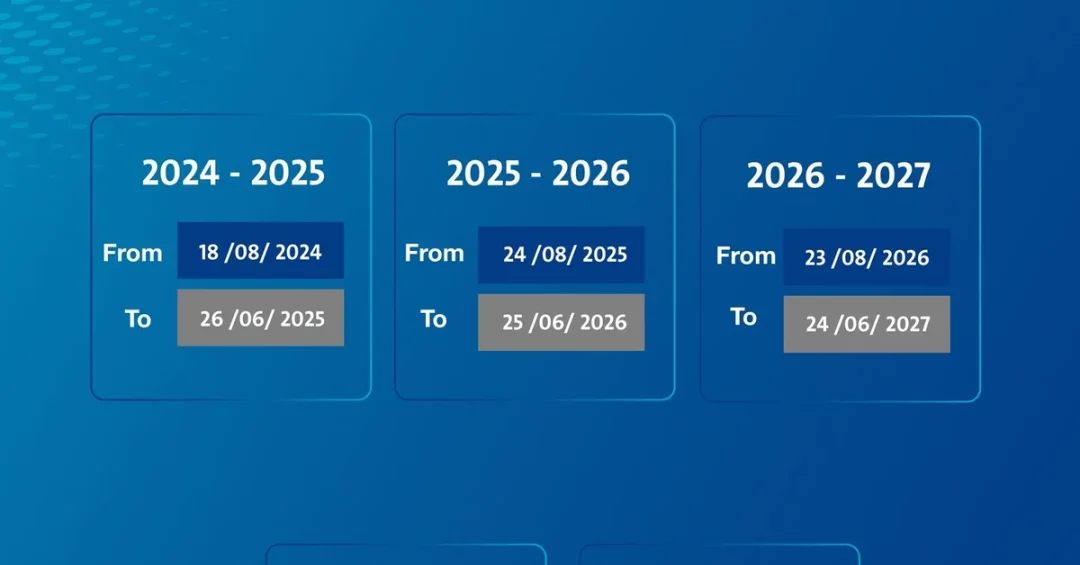
Riyadh, June 22, 2024 — The Saudi Cabinet, chaired by Custodian of the Two Holy Mosques King Salman bin Abdulaziz Al Saud, has approved the general timeframe for the academic calendar in general and university education, as well as technical and vocational training, for the next five years. The decision, announced via the Saudi Press Agency (SPA), includes the rules governing the calendar and the time periods that determine the beginning and end of the academic year. This strategic move underscores the Kingdom’s commitment to enhancing its education system in line with Vision 2030.
Context and Background
The approval comes as part of Saudi Arabia’s ongoing efforts to modernize and standardize its education sector. The academic calendar, which sets the start and end dates for school terms and university semesters, is a critical tool for ensuring consistency across the Kingdom’s educational institutions. By establishing a five-year framework, the Cabinet aims to provide stability and predictability for students, parents, and educators. This initiative aligns with the broader objectives of Vision 2030, which seeks to develop a diversified and knowledge-based economy through educational reform.
The decision also reflects the Kingdom’s proactive approach to planning and governance. In recent years, Saudi Arabia has launched numerous initiatives to improve the quality of education, including the Human Capability Development Program, one of the Vision 2030 realization programs. The new academic calendar is expected to facilitate better coordination between general education, higher education, and technical and vocational training, ensuring that graduates are well-prepared for the demands of the labor market.
Key Details
According to the SPA report, the approved timeframe covers the next five years and includes the rules and time periods that determine the academic year’s beginning and end. This comprehensive approach ensures that all levels of education—from primary schools to universities and vocational institutes—operate under a unified schedule. The Cabinet’s decision is based on recommendations from the Ministry of Education and the Technical and Vocational Training Corporation (TVTC), which have worked to align the calendar with international best practices while respecting local traditions and needs.
The new calendar is expected to enhance the efficiency of the education system by reducing disruptions and allowing for better planning of academic activities, examinations, and holidays. It also provides a clear framework for students and families to plan their year ahead. Furthermore, the five-year timeframe allows educational institutions to develop long-term strategies, invest in infrastructure, and implement curriculum reforms without the uncertainty of annual changes.
Implications and Impact
The approval of a five-year academic calendar has significant implications for Saudi Arabia’s education sector and beyond. For students, it means greater clarity and stability in their academic journey, enabling them to focus on learning and skill development. For educators and administrators, it provides a predictable schedule that facilitates effective teaching and resource allocation. For parents, it offers the ability to plan family activities and vacations with confidence.
On a broader scale, this decision supports the Kingdom’s efforts to improve educational outcomes and align them with labor market needs. A well-structured academic calendar is essential for producing a skilled workforce capable of driving economic growth and innovation. It also enhances Saudi Arabia’s attractiveness as a destination for international students and scholars, as a stable and predictable academic environment is a key consideration for those seeking education abroad.
Regionally, the move positions Saudi Arabia as a leader in educational planning and reform. Other countries in the Gulf and the wider Middle East may look to the Kingdom’s model as they seek to modernize their own education systems. Internationally, it signals Saudi Arabia’s commitment to achieving the Sustainable Development Goals, particularly Goal 4, which aims to ensure inclusive and equitable quality education for all.
Vision 2030 Alignment
The approval of the five-year academic calendar is a direct reflection of Vision 2030’s emphasis on developing human capital. By providing a stable and efficient education framework, the Kingdom is investing in its greatest asset: its people. This initiative supports the goals of the Human Capability Development Program, which seeks to equip Saudi citizens with the skills and knowledge needed to thrive in a rapidly changing world. As Saudi Arabia continues to transform its economy and society, a robust education system will be the cornerstone of its success. The Cabinet’s decision is a clear indication that the Kingdom is committed to building a brighter future for all its citizens and contributing to global educational excellence.
20 Questions
Q1. What did the Saudi Cabinet approve regarding the academic calendar?
A1. The Cabinet approved the general timeframe for the academic calendar in general and university education, as well as technical and vocational training, for the next five years. This includes rules and time periods determining the academic year’s beginning and end.
Q2. When was this decision announced?
A2. The decision was announced on June 22, 2024, in Riyadh, via the Saudi Press Agency (SPA).
Q3. Who chaired the Cabinet meeting?
A3. The meeting was chaired by Custodian of the Two Holy Mosques King Salman bin Abdulaziz Al Saud.
Q4. Why is a five-year academic calendar important?
A4. It provides stability and predictability for students, parents, and educators, allowing for better long-term planning and reducing disruptions caused by annual changes.
Q5. Which entities were involved in preparing the calendar?
A5. The Ministry of Education and the Technical and Vocational Training Corporation (TVTC) were involved in preparing the calendar, aligning it with international best practices.
Q6. How does this decision align with Vision 2030?
A6. It supports Vision 2030’s Human Capability Development Program by enhancing the education system to produce a skilled workforce for a knowledge-based economy.
Q7. What levels of education does the calendar cover?
A7. It covers general education, university education, and technical and vocational training across the Kingdom.
Q8. What are the rules governing the calendar?
A8. The rules determine the beginning and end of the academic year, ensuring consistency and coordination across all educational institutions.
Q9. How will students benefit from this decision?
A9. Students will have a clear and stable schedule, enabling them to focus on their studies and plan their academic journey effectively.
Q10. How will parents benefit?
A10. Parents can plan family activities and vacations with confidence, knowing the academic calendar for the next five years.
Q11. What impact does this have on educators?
A11. Educators can better plan their teaching activities, examinations, and professional development, leading to improved educational outcomes.
Q12. Will the calendar affect international students?
A12. Yes, a stable academic calendar makes Saudi Arabia more attractive to international students by offering a predictable academic environment.
Q13. How does this decision reflect on Saudi governance?
A13. It demonstrates proactive planning and good governance, ensuring the education sector operates efficiently and aligns with national goals.
Q14. What is the Human Capability Development Program?
A14. It is a Vision 2030 realization program aimed at developing Saudi citizens’ skills and knowledge to meet labor market demands.
Q15. Will the calendar be reviewed annually?
A15. The five-year timeframe provides a long-term plan; however, adjustments may be made if necessary to address emerging needs.
Q16. How does this benefit technical and vocational training?
A16. It ensures that vocational training is synchronized with general and higher education, producing graduates with relevant skills for the job market.
Q17. What are the regional implications?
A17. Saudi Arabia sets an example for other Gulf and Middle Eastern countries in educational planning and reform.
Q18. How does this align with global education goals?
A18. It supports Sustainable Development Goal 4, which aims to ensure inclusive and equitable quality education for all.
Q19. What economic benefits can result from this decision?
A19. A well-structured education system produces a skilled workforce, driving economic growth, innovation, and diversification.
Q20. What is the overall significance of this approval?
A20. It represents a strategic step toward enhancing Saudi Arabia’s education system, aligning with Vision 2030, and investing in the nation’s future human capital.
Reader Feedback
We value your thoughts. Please share your feedback on this article.
Your feedback helps us improve our coverage.