


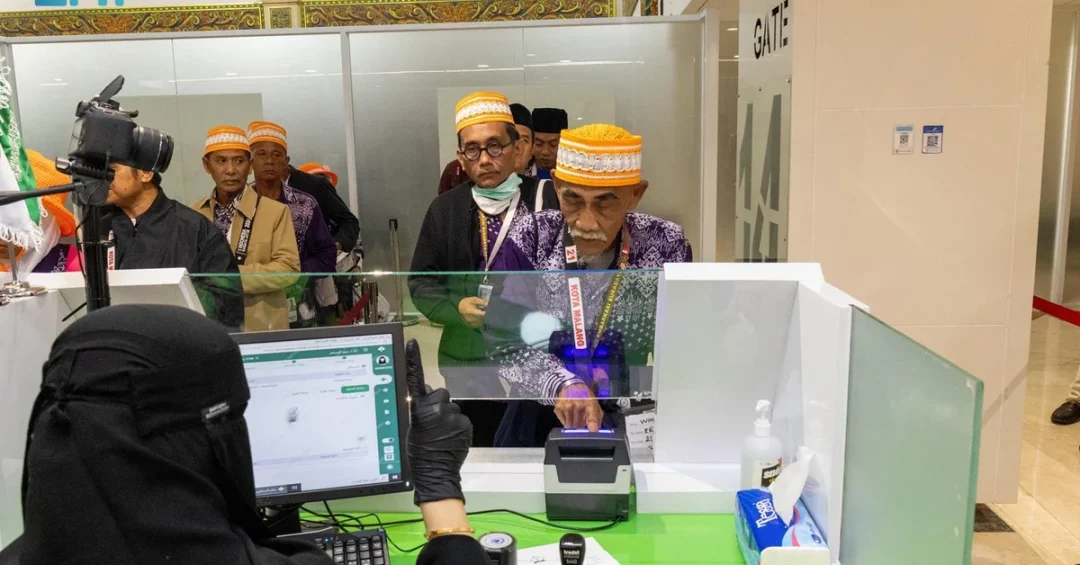
An Indonesian pilgrim, Dedik Sudiyar, departed from Surabaya Airport on May 29, 2024, for the Hajj pilgrimage, praising the Makkah Route initiative as a testament to Saudi Arabia’s commitment to serving pilgrims. The 50-year-old, accompanied by his eldest daughter Putri Olia Sudiyar, expressed both sorrow and gratitude as he embarked on the spiritual journey, which he described as a lifelong dream made easier by the Kingdom’s pioneering program.
Context and Background
The Makkah Route initiative is a flagship project of the Kingdom of Saudi Arabia, designed to streamline the Hajj experience for pilgrims from selected countries. It allows pilgrims to complete immigration procedures, visa processing, and luggage handling at their departure airport, reducing congestion and travel time upon arrival in the Kingdom. The initiative is part of the broader Vision 2030 plan to enhance the capacity and quality of services provided to the growing number of pilgrims and visitors to the holy sites.
Indonesia, the world’s largest Muslim-majority country, sends over 200,000 pilgrims annually, making it one of the most significant beneficiaries of this initiative. The program is implemented in collaboration with Indonesia’s Ministry of Religious Affairs and other relevant authorities, reflecting the strong bilateral ties between the two nations.
Key Details
Sudiyar, a resident of Surabaya, was overcome with emotion as he recounted his personal journey. “My wife passed away just four months ago,” he told a Saudi Press Agency reporter, fighting back tears. “I had hoped she would be here with me, but my faith in Allah is a beautiful consolation.” He received his Hajj approval letter from Indonesia’s Ministry of Religious Affairs and chose his daughter, Putri, to accompany him on this once-in-a-lifetime pilgrimage.
The father-daughter duo expressed profound gratitude for the Makkah Route initiative. “This will forever be etched in our memories,” Sudiyar said. “We’ve been preparing and fulfilling all the requirements.” He lauded the initiative as a noble project from the “benevolent and giving people of the Kingdom,” commending Saudi Arabia’s dedication to using its human, material, and technical resources to ensure the comfort and well-being of pilgrims.
Putri echoed her father’s sentiments, stating, “I thank Allah for His decree. Though saddened by my mother’s passing, the joy of performing Hajj with my father is indescribable.” She also offered prayers for her mother’s mercy and forgiveness. Both extended their thanks to all those involved in the initiative, emphasizing how it eases the pilgrimage for Muslims worldwide.
Implications and Impact
The Makkah Route initiative is not merely a logistical convenience; it represents a strategic investment in the future of religious tourism. By simplifying entry procedures, the Kingdom enhances its reputation as a global hub for Islamic culture and hospitality. For Indonesia, the program deepens religious and cultural ties with Saudi Arabia, facilitating a smoother and more dignified experience for its citizens performing Hajj.
The initiative also supports economic growth by encouraging more pilgrims to undertake the journey, thereby boosting ancillary industries such as hospitality, transportation, and retail in the holy cities. Moreover, it aligns with international standards of customer service, showcasing Saudi Arabia’s modern infrastructure and administrative efficiency on a global stage.
Vision 2030 Alignment
The Makkah Route initiative is a cornerstone of Saudi Arabia’s Vision 2030, which seeks to increase the capacity for Umrah and Hajj and provide the best possible experience to guests of God. By leveraging advanced technology and strategic partnerships, the Kingdom is transforming the pilgrimage into a seamless, secure, and enriching journey. This initiative, along with other pilgrim-centric programs, underscores the leadership’s commitment to religious excellence and humanitarian service, positioning Saudi Arabia as a model for the Muslim world. As Dedik Sudiyar’s emotional journey demonstrates, the Kingdom’s efforts are deeply appreciated by the faithful, forging lasting bonds of brotherhood and gratitude.
20 Questions
Q1. What is the Makkah Route initiative?
A1. The Makkah Route initiative is a Saudi government program that allows pilgrims to complete entry procedures, including visa, passport control, and luggage handling, at their departure airport, making their arrival in Saudi Arabia more efficient and comfortable.
Q2. Which countries benefit from the Makkah Route initiative?
A2. The initiative is currently available in several countries, including Indonesia, Malaysia, Pakistan, Morocco, Bangladesh, and Turkey, with plans to expand. Each country partners with Saudi authorities to implement the streamlined process.
Q3. How does the Makkah Route initiative help pilgrims?
A3. It reduces waiting time and stress at Saudi airports, ensures luggage is transported directly to their accommodations, and provides a more dignified and seamless pilgrimage experience, allowing pilgrims to focus on the spiritual aspects of Hajj.
Q4. Who is Dedik Sudiyar?
A4. Dedik Sudiyar is a 50-year-old Indonesian pilgrim from Surabaya who departed on Hajj in May 2024. He is a beneficiary of the Makkah Route initiative and traveled with his eldest daughter, Putri Olia Sudiyar.
Q5. Why was Sudiyar emotional about his Hajj journey?
A5. Sudiyar’s wife passed away four months before his departure, so he is deeply saddened that she cannot accompany him. He drew consolation from his faith, and the joy of performing Hajj with his daughter brings him hope.
Q6. What role does Indonesia’s Ministry of Religious Affairs play in the Hajj process?
A6. Indonesia’s Ministry of Religious Affairs is responsible for organizing and approving Hajj applications, coordinating with Saudi authorities, and ensuring that pilgrims meet all requirements for the journey under the Makkah Route initiative.
Q7. How does the Makkah Route initiative support Vision 2030?
A7. The initiative directly contributes to Vision 2030’s goal of increasing the number of pilgrims and enhancing their experience by improving logistics, leveraging technology, and fostering international cooperation, thereby elevating Saudi Arabia’s global standing.
Q8. What are the main components of the Makkah Route initiative?
A8. Key components include electronic visa processing, biometric data collection, passport stamping, and luggage tagging and transfer, all performed at the departure airport by Saudi and host-country staff.
Q9. How does the initiative benefit the Saudi economy?
A9. By facilitating a smoother pilgrimage, the initiative attracts more pilgrims, boosting spending in accommodation, transportation, and related services in Mecca and Medina, thus supporting the Kingdom’s economic diversification goals.
Q10. Are there any future expansions planned for the Makkah Route initiative?
A10. Yes, Saudi authorities are working to expand the initiative to more countries and airports, aiming to cover a larger number of pilgrims each year, in line with Vision 2030’s ambitious targets.
Q11. What did Sudiyar specifically praise about the initiative?
A11. Sudiyar praised the initiative as a noble project from the “benevolent and giving people of the Kingdom,” noting that Saudi Arabia uses its resources effectively to ensure pilgrim comfort and well-being throughout the journey.
Q12. How did Sudiyar’s daughter, Putri, react to the trip?
A12. Putri expressed gratitude to Allah for the opportunity, saying that despite sadness over her mother’s death, performing Hajj with her father is an indescribable joy. She also prayed for her mother’s forgiveness.
Q13. What is the significance of the Makkah Route initiative for Indonesia?
A13. It simplifies the Hajj process for Indonesian pilgrims, reduces bureaucratic hurdles, and strengthens the religious and diplomatic relationship between Indonesia and Saudi Arabia, benefiting the large Muslim population.
Q14. How does the initiative ensure the safety and security of pilgrims?
A14. The initiative uses advanced biometric and data verification systems at departure, ensuring that only authorized pilgrims travel. This helps maintain security and reduces the risk of fraud or overstay.
Q15. What are the emotional aspects of Hajj as highlighted in this story?
A15. The story illustrates the deep personal significance of Hajj, including dealing with loss, fulfilling a spiritual duty, and the bonding between family members during a transformative religious experience.
Q16. How does the Makkah Route initiative reflect Saudi Arabia’s leadership in the Muslim world?
A16. By pioneering such a thoughtful and efficient system, Saudi Arabia demonstrates its commitment to serving Muslims globally, reinforcing its role as a leader in Islamic hospitality and pilgrimage management.
Q17. What feedback have other pilgrims given about the initiative?
A17. Many pilgrims have expressed appreciation for the time savings and reduced stress, as well as the professionalism of staff. They report a more comfortable and spiritually focused Hajj experience.
Q18. How is the initiative implemented in partnership with other countries?
A18. Saudi authorities collaborate with the host country’s religious affairs and aviation agencies, setting up dedicated lounges at airports where all procedures are completed before departure, ensuring a smooth handover.
Q19. What are the long-term goals of the Makkah Route initiative?
A19. The long-term goal is to eventually cover a majority of global pilgrims, making the Hajj journey as effortless as possible, and setting a new standard for religious tourism worldwide.
Q20. How can interested countries participate in the Makkah Route initiative?
A20. Interested governments can engage with Saudi Arabia’s Ministry of Hajj and Umrah to discuss partnership, ensuring they meet the necessary technical and security requirements to implement the initiative.
Reader Feedback
We value your thoughts. Please share your feedback on this article.
Your feedback helps us improve our coverage.