


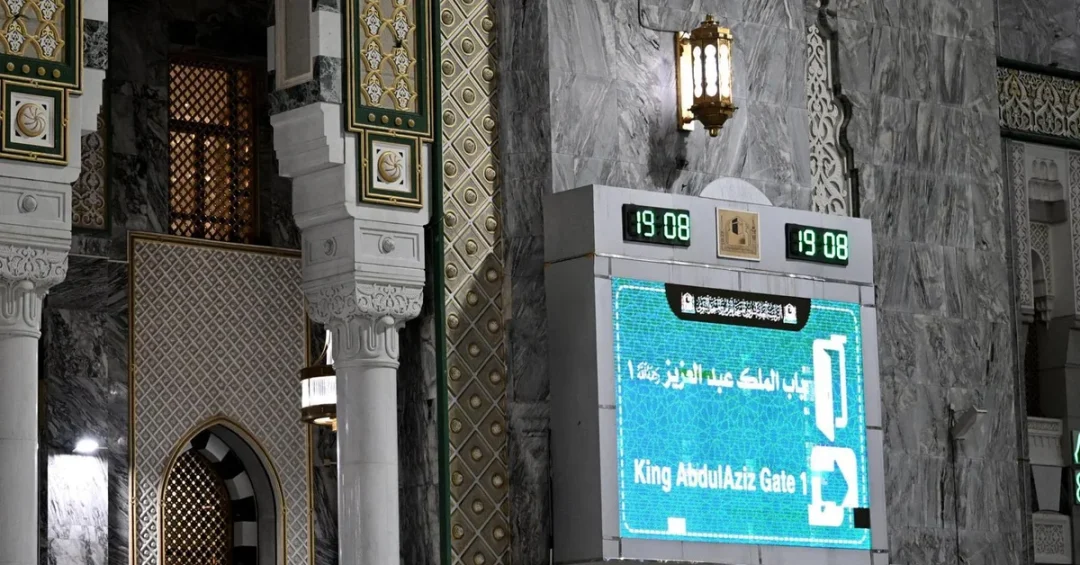
The General Authority for the Care of the Affairs of the Grand Mosque and the Prophet’s Mosque has introduced an advanced GPS navigation system, interactive digital maps, and a printed guide to enhance the experience of visitors, Umrah performers, and pilgrims at the Grand Mosque in Makkah. Announced ahead of the Hajj season, this initiative aims to facilitate the arrival and movement of millions of worshippers, ensuring a seamless and spiritually fulfilling journey.
Context and Background
The Grand Mosque, Islam’s holiest site, welcomes millions of pilgrims annually, with numbers steadily increasing as Saudi Arabia continues to expand access under Vision 2030. Managing such vast crowds requires innovative solutions, and the Authority has consistently leveraged technology to improve services. The new GPS navigation system builds on previous digital enhancements, reflecting the Kingdom’s commitment to harnessing advanced tools for the benefit of pilgrims. This initiative aligns with the broader goals of Vision 2030 to enhance the quality of life and elevate the pilgrimage experience.
Key Details
The interactive digital map service is designed to ease access and navigation within the Grand Mosque. It helps identify the locations of religious rituals and prominent landmarks, including the Mataf (circumambulation area), the Sai area, and the routes to reach them through direct navigation. 200 QR code panels are distributed throughout the Grand Mosque, allowing pilgrims to determine their location and find their desired destination using their mobile phones, compatible with iOS and Android systems.
The map also provides access to all facilities offered by the Authority, including gates, the library, restrooms, guidance offices, manual and electric cart services, escalators, and field hospitals. Recognizing the cultural diversity of pilgrims, the service includes several languages such as Arabic, English, French, Urdu, Indonesian, and Turkish. Additionally, the general administration for survey and geographic information systems has provided a printed guidance manual, distributed manually and available in multiple languages, complementing the printed guideboards on the walls of the Grand Mosque.
Implications and Impact
This technological integration represents a significant leap in crowd management and pilgrim services. By offering real-time navigation and comprehensive facility information, the system reduces confusion, enhances safety, and allows pilgrims to focus on their spiritual journey. The multilingual support ensures that devotees from diverse backgrounds can navigate independently, fostering a more inclusive and accommodating environment. This initiative also sets a benchmark for other religious sites worldwide, showcasing Saudi Arabia’s leadership in leveraging technology for humanitarian and religious purposes.
Vision 2030 Alignment
This development is a testament to Saudi Arabia’s unwavering commitment to Vision 2030, which seeks to enrich the pilgrimage experience and demonstrate the Kingdom’s role as a global leader in innovation and service. By continuously improving infrastructure and digital services at the Grand Mosque, the Kingdom reinforces its dedication to serving the guests of God with excellence and foresight.
20 Questions
Q1. What is the purpose of the GPS navigation system at the Grand Mosque?
A1. The GPS navigation system aims to enhance the experience of visitors, Umrah performers, and pilgrims by facilitating their arrival and movement within the Grand Mosque, ensuring a smoother and more spiritually focused visit.
Q2. Who provided the GPS navigation system?
A2. The General Authority for the Care of the Affairs of the Grand Mosque and the Prophet’s Mosque provided the system as part of its ongoing efforts to improve services for pilgrims.
Q3. What does the interactive digital map service include?
A3. The interactive digital map service includes navigation to key areas like the Mataf and Sai, identification of facilities, and multilingual support to assist pilgrims in performing their rituals with ease.
Q4. How many QR code panels are distributed in the Grand Mosque?
A4. There are 200 QR code panels distributed throughout the Grand Mosque, allowing pilgrims to scan and determine their location and find destinations using their mobile phones.
Q5. What languages are supported by the digital map?
A5. The digital map supports Arabic, English, French, Urdu, Indonesian, and Turkish, reflecting the diverse linguistic backgrounds of pilgrims visiting the Grand Mosque.
Q6. What facilities can pilgrims access through the interactive map?
A6. Pilgrims can access information about gates, the library, restrooms, guidance offices, manual and electric cart services, escalators, and field hospitals through the interactive map.
Q7. Is the navigation system compatible with all mobile devices?
A7. Yes, the system is compatible with both iOS and Android systems, ensuring broad accessibility for pilgrims using smartphones.
Q8. What is the printed guidance manual?
A8. The printed guidance manual is a physical booklet distributed manually, available in multiple languages, and serves as a complement to the digital services for those who prefer traditional navigation aids.
Q9. How does this initiative benefit pilgrims during Hajj season?
A9. During Hajj, the large crowds can navigate more efficiently, reducing confusion and enhancing safety, allowing pilgrims to focus on their spiritual duties without logistical hurdles.
Q10. Does the system include information about religious rituals?
A10. Yes, the interactive map identifies locations of religious rituals and prominent landmarks, such as the Mataf and Sai areas, guiding pilgrims to perform their rites correctly.
Q11. How does the system cater to cultural diversity?
A11. By offering the service in multiple languages, the system ensures that pilgrims from various cultural backgrounds can use it comfortably, promoting inclusivity and ease of use.
Q12. What role does the general administration for survey and geographic information systems play?
A12. This administration provided the printed guidance manual and likely oversees the digital mapping efforts, ensuring accurate and up-to-date geographic information for the Grand Mosque.
Q13. Are there printed guideboards on the walls of the Grand Mosque?
A13. Yes, printed guideboards are available on the walls, supplementing the digital and printed guides to assist pilgrims in navigating the premises.
Q14. How does this initiative align with Vision 2030?
A14. It aligns with Vision 2030 by enhancing the pilgrimage experience, showcasing Saudi Arabia’s commitment to innovation and service excellence in hosting millions of pilgrims annually.
Q15. Can pilgrims use the digital map to find restrooms and guidance offices?
A15. Yes, the digital map provides locations of restrooms, guidance offices, and other facilities to ensure pilgrims’ comfort and convenience during their visit.
Q16. What are the benefits of the electric cart services mentioned?
A16. Electric cart services assist pilgrims with mobility challenges, offering a convenient way to move around the Grand Mosque, especially for the elderly or infirm.
Q17. How does the system improve crowd management?
A17. By providing real-time navigation and facility locations, the system helps distribute pilgrim flow more evenly, reducing congestion and improving overall safety and efficiency.
Q18. Is the printed guide available in multiple languages?
A18. Yes, the printed guide is available in multiple languages, ensuring that pilgrims who prefer physical materials can still navigate easily regardless of their language.
Q19. What is the significance of the Mataf and Sai areas in the map?
A19. The Mataf and Sai are essential ritual areas; including them helps pilgrims locate and perform their rites correctly, enhancing their spiritual experience.
Q20. How does this technology reflect Saudi Arabia’s leadership in pilgrim services?
A20. It demonstrates Saudi Arabia’s proactive use of advanced technology to serve pilgrims, setting a global standard for religious site management and reinforcing the Kingdom’s role as a leader in innovative hospitality.
Reader Feedback
We value your thoughts. Please share your feedback on this article.
Your feedback helps us improve our coverage.