


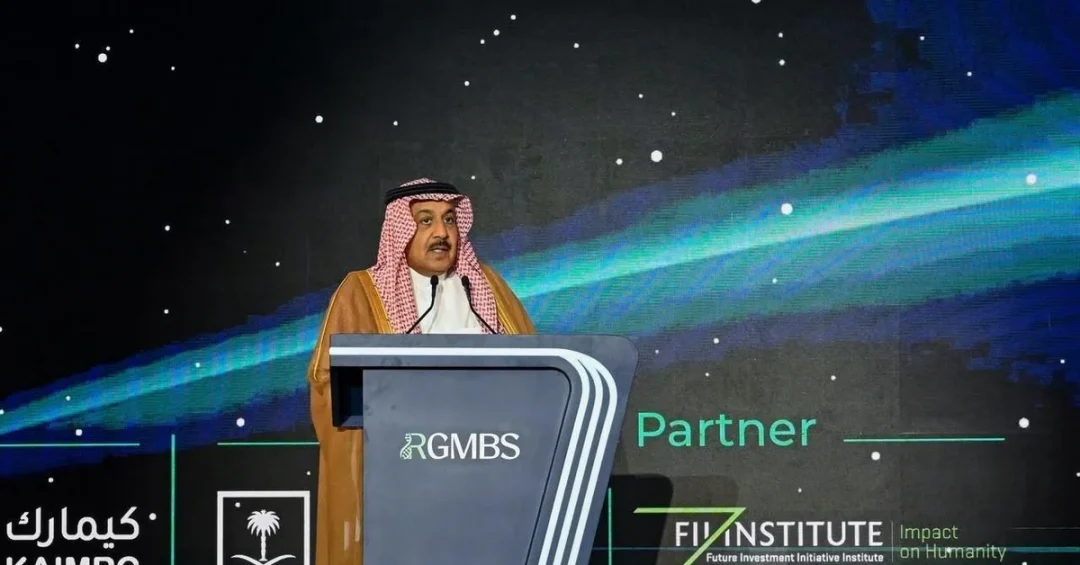
Riyadh, September 17, 2026 — The fourth edition of the Riyadh Global Medical Biotechnology Summit 2026 concluded yesterday, generating more than 40 agreements, initiatives, and announcements with a combined estimated value exceeding SAR5 billion, according to the Saudi Press Agency (SPA). The outcomes are designed to accelerate the localization of biotechnology in the Kingdom and strengthen its health and economic impact. The summit, held in Riyadh, brought together delegations and experts from more than 57 countries, featured over 200 speakers, and attracted more than 15,000 visitors and registrants.
Context and Background
The Riyadh Global Medical Biotechnology Summit has become a cornerstone of Saudi Arabia’s efforts to build a knowledge-based economy and enhance its healthcare resilience. This fourth edition, organized under the umbrella of the Kingdom’s national biotechnology strategy, underscores the growing importance of life sciences as a driver of innovation and investment. The event’s program included more than 80 sessions and seven high-level executive sessions, covering critical topics such as artificial intelligence, genomics, vaccines, biomanufacturing, advanced therapies, investment, and talent development. These themes align with Saudi Arabia’s Vision 2030, which seeks to diversify revenue streams, localize advanced industries, and position the Kingdom as a global hub for research and development.
Key Details
The summit’s highlight was the Life Sciences Innovation Forum, which attracted five specialized investment funds ready to deploy more than $120 million into promising opportunities and companies. This signals strong investor confidence in Saudi Arabia’s biotechnology ecosystem. In parallel, the Next Generation Biotechnologist Forum focused on empowering early-career researchers and scientists, ensuring a sustainable pipeline of local talent. The accompanying exhibition spanned over 6,000 square meters and hosted more than 120 sponsors and exhibitors, including international pavilions from Spain, China, Japan, Germany, the United States of America, and the Republic of Korea. These global participants highlight the summit’s role as a platform for cross-border collaboration and knowledge exchange.
Implications and Impact
The agreements and initiatives announced at the summit are expected to catalyze the growth of Saudi Arabia’s biotechnology sector, creating high-skilled jobs and attracting foreign direct investment. By localizing biomanufacturing and advanced therapies, the Kingdom aims to reduce reliance on imports and enhance its capacity to respond to health emergencies. The presence of international pavilions and experts from 57 countries demonstrates Saudi Arabia’s emergence as a global partner in medical biotechnology. Furthermore, the focus on artificial intelligence and genomics positions the Kingdom at the forefront of digital health innovation, with potential applications in personalized medicine and pandemic preparedness.
Vision 2030 Alignment
This summit directly supports Vision 2030, Saudi Arabia’s ambitious roadmap for economic diversification and social transformation. By fostering a vibrant biotechnology industry, the Kingdom is advancing its goals of increasing non-oil revenue, boosting local content, and improving healthcare outcomes. The investment funds and talent development initiatives align with the Vision’s emphasis on nurturing human capital and creating a knowledge-based economy. As Saudi Arabia continues to invest in cutting-edge fields like biomanufacturing and genomics, it reinforces its commitment to becoming a global leader in health innovation and a hub for scientific excellence.
20 Questions
Q1. What was the total estimated value of the outcomes from the Riyadh Global Medical Biotechnology Summit 2026?
A1. The outcomes, which included more than 40 agreements, initiatives, and announcements, had a combined estimated value exceeding SAR5 billion, aimed at supporting biotechnology localization and enhancing health and economic impact.
Q2. How many countries were represented at the summit?
A2. Delegations and experts from more than 57 countries participated in the summit, reflecting its international scope and Saudi Arabia’s growing role as a global hub for medical biotechnology collaboration.
Q3. How many speakers and visitors attended the event?
A3. The summit featured more than 200 speakers and attracted over 15,000 visitors and registrants, demonstrating strong engagement from the global biotechnology community and the public.
Q4. What were the main topics covered in the summit’s sessions?
A4. The program included over 80 sessions and seven high-level executive sessions covering artificial intelligence, genomics, vaccines, biomanufacturing, advanced therapies, investment, and talent development.
Q5. What is the Life Sciences Innovation Forum and what did it achieve?
A5. The Life Sciences Innovation Forum attracted five specialized investment funds that expressed readiness to invest more than $120 million in promising opportunities and companies, boosting the biotechnology investment landscape.
Q6. What was the focus of the Next Generation Biotechnologist Forum?
A6. The Next Generation Biotechnologist Forum focused on empowering early-career researchers and scientists, aiming to build a sustainable pipeline of local talent for Saudi Arabia’s growing biotechnology sector.
Q7. How large was the accompanying exhibition and who participated?
A7. The exhibition spanned more than 6,000 square meters and featured over 120 sponsors and exhibitors, including international pavilions from Spain, China, Japan, Germany, the United States, and the Republic of Korea.
Q8. What is the significance of the international pavilions at the summit?
A8. The pavilions from six countries highlight the summit’s role as a platform for cross-border collaboration and knowledge exchange, reinforcing Saudi Arabia’s position as a global partner in medical biotechnology.
Q9. How does the summit support Saudi Arabia’s Vision 2030?
A9. The summit supports Vision 2030 by advancing economic diversification, localizing advanced industries, creating high-skilled jobs, and enhancing healthcare resilience, aligning with the Kingdom’s goals of a knowledge-based economy.
Q10. What is the expected impact of the agreements on the Saudi biotechnology sector?
A10. The agreements are expected to catalyze sector growth, attract foreign direct investment, reduce import reliance, and enhance the Kingdom’s capacity to respond to health emergencies through local biomanufacturing.
Q11. Which government agency reported the summit’s outcomes?
A11. The outcomes were reported by the Saudi Press Agency (SPA), the official news agency of Saudi Arabia, ensuring reliable and authoritative information dissemination.
Q12. How many editions of the summit have been held?
A12. This was the fourth edition of the Riyadh Global Medical Biotechnology Summit, indicating its establishment as a recurring major event on the global biotechnology calendar.
Q13. What role does artificial intelligence play in the summit’s agenda?
A13. Artificial intelligence was a key topic, with sessions exploring its applications in genomics, personalized medicine, and healthcare innovation, positioning Saudi Arabia at the forefront of digital health.
Q14. What investment opportunities were highlighted at the summit?
A14. The Life Sciences Innovation Forum showcased investment opportunities worth over $120 million, with five specialized funds ready to invest in promising biotechnology companies and projects in the Kingdom.
Q15. How does the summit contribute to talent development in Saudi Arabia?
A15. Through the Next Generation Biotechnologist Forum, the summit empowers early-career researchers and scientists, fostering local talent and ensuring a skilled workforce for the growing biotechnology industry.
Q16. What is the significance of the summit for global health?
A16. The summit facilitates international collaboration on vaccines, advanced therapies, and biomanufacturing, contributing to global health security and positioning Saudi Arabia as a key player in medical biotechnology.
Q17. What types of agreements were announced at the summit?
A17. The agreements included partnerships, programs, and projects focused on biotechnology localization, investment, research and development, and talent development, with a combined value exceeding SAR5 billion.
Q18. How does the summit align with Saudi Arabia’s national biotechnology strategy?
A18. The summit directly supports the national biotechnology strategy by driving localization, attracting investment, and fostering innovation, in line with the Kingdom’s broader economic diversification goals.
Q19. What was the duration of the summit?
A19. While the exact dates were not specified, the summit concluded on September 16, 2026, and featured a multi-day program with over 80 sessions and seven executive sessions.
Q20. What does the future hold for Saudi Arabia’s biotechnology sector following this summit?
A20. The summit’s outcomes are expected to accelerate the sector’s growth, attract further investment, and enhance Saudi Arabia’s position as a global hub for biotechnology innovation and healthcare advancement.
Reader Feedback
We value your thoughts. Please share your feedback on this article.
Your feedback helps us improve our coverage.