


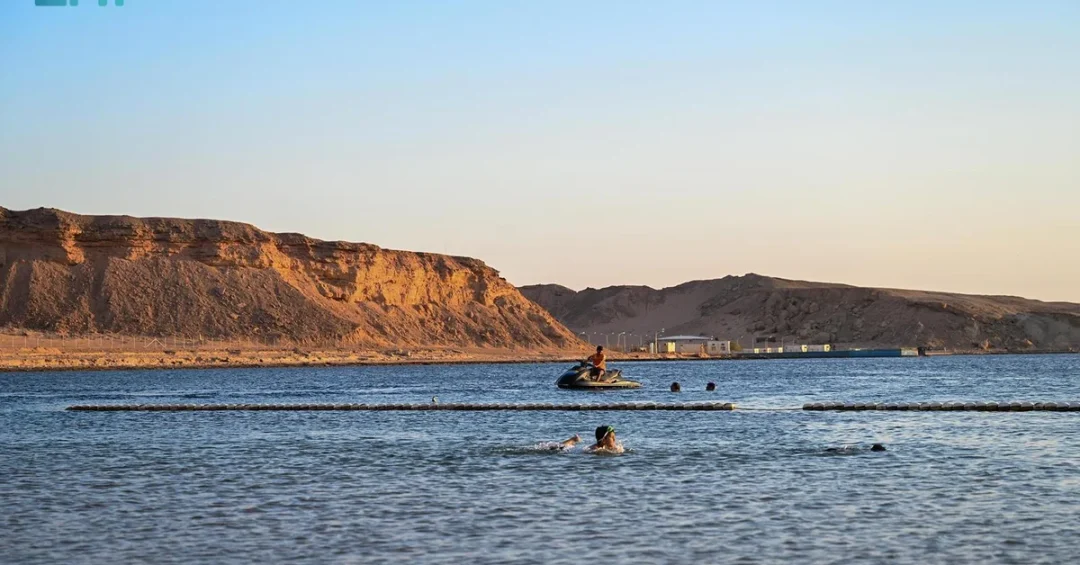
The beaches of Haql Governorate in northwest Saudi Arabia are emerging as a premier destination for marine life enthusiasts, drawing crowds of vacationers and visitors from within and beyond the region as the summer season commences, according to the Saudi Press Agency (SPA). Known for their pristine coasts and captivating views of the Gulf of Aqaba, these beaches offer a unique blend of natural beauty and marine biodiversity that appeals to lovers of swimming, fishing, and recreation.
Context and Background
Haql Governorate, located in the Tabuk Province of Saudi Arabia, boasts a stunning 180-kilometer coastline along the Gulf of Aqaba. This strategic location combines the serene beauty of nature with the allure of the sea, featuring pure waters, diverse soft sands, and picturesque landscapes. The region has long been a hidden gem, but recent developments and promotional efforts under Saudi Arabia’s Vision 2030 are bringing it into the spotlight as a must-visit tourist destination.
The Gulf of Aqaba itself is renowned for its rich marine ecosystem, including colorful coral reefs and a variety of marine creatures. This makes Haql’s beaches particularly attractive to those interested in exploring underwater life, whether through snorkeling, diving, or simply observing from the shore. The governorate’s commitment to preserving its natural environment ensures that these attractions remain sustainable and accessible for future generations.
Key Details
Among the most distinctive beach destinations in Haql are Umm Anam Beach, Al-Wasl Island Beach, Al-Wasl Beach, Al-Qafif Beach, and Al-Nakheel Park Beach. Each offers unique features: Umm Anam Beach is known for its calm waters ideal for swimming; Al-Wasl Island Beach provides a secluded escape; Al-Wasl Beach is perfect for family outings; Al-Qafif Beach offers excellent fishing opportunities; and Al-Nakheel Park Beach combines recreation with natural beauty.
These beaches provide a quiet and comfortable atmosphere for swimming, recreation, and exploration. Visitors can engage in various recreational activities such as snorkeling, diving, and boat tours, adding fun and excitement to their experience. The diverse soft sands and clear waters make them ideal for relaxation and marine life observation.
Implications and Impact
The growing popularity of Haql’s beaches has significant implications for local tourism and the national economy. Increased visitor numbers stimulate local businesses, create job opportunities, and promote sustainable tourism practices. Moreover, the influx of international tourists enhances cultural exchange and showcases Saudi Arabia’s natural treasures to the world.
Regionally, Haql’s beaches contribute to the Red Sea development initiatives, positioning Saudi Arabia as a leading destination for eco-tourism and marine conservation. This aligns with the Kingdom’s efforts to diversify its economy away from oil dependency, as outlined in Vision 2030.
Vision 2030 Alignment
The development and promotion of Haql’s beaches are in perfect harmony with Saudi Arabia’s Vision 2030, which aims to boost tourism’s contribution to the GDP and create a vibrant society. By highlighting natural attractions like these, the Kingdom not only attracts visitors but also fosters a sense of pride in its environmental heritage. As part of the broader strategy to enhance quality of life and economic diversification, initiatives like these underscore Saudi Arabia’s commitment to sustainable development and global engagement.
20 Questions
Q1. What makes Haql’s beaches attractive to marine life lovers?
A1. Haql’s beaches feature pristine coasts, clear waters, and vibrant coral reefs teeming with diverse marine creatures, offering excellent opportunities for swimming, snorkeling, and observing underwater ecosystems in a serene environment.
Q2. Where is Haql Governorate located?
A2. Haql Governorate is situated in the Tabuk Province of northwest Saudi Arabia, along the Gulf of Aqaba, featuring a 180-kilometer coastline known for its natural beauty and marine biodiversity.
Q3. What are some notable beaches in Haql?
A3. Notable beaches include Umm Anam Beach, Al-Wasl Island Beach, Al-Wasl Beach, Al-Qafif Beach, and Al-Nakheel Park Beach, each offering unique attractions for visitors.
Q4. What activities can visitors enjoy at Haql’s beaches?
A4. Visitors can enjoy swimming, fishing, snorkeling, diving, and boat tours, along with relaxation on the soft sands and exploration of colorful coral reefs and marine life.
Q5. How does Haql contribute to Saudi Arabia’s tourism goals?
A5. Haql’s beaches enhance Saudi Arabia’s tourism offerings, attracting domestic and international visitors, thereby supporting economic diversification and job creation under Vision 2030.
Q6. What is the significance of the Gulf of Aqaba for marine life?
A6. The Gulf of Aqaba hosts a rich marine ecosystem with diverse coral reefs and species, making it a vital area for marine conservation and eco-tourism in the region.
Q7. When is the best time to visit Haql’s beaches?
A7. The summer season is particularly popular, but the beaches are accessible year-round, with mild winters also ideal for enjoying the coastal attractions and marine activities.
Q8. Are there facilities for tourists at Haql’s beaches?
A8. Yes, many beaches have basic facilities such as parking, rest areas, and nearby services, with ongoing developments to enhance visitor experiences in line with tourism growth.
Q9. How does Haql promote sustainable tourism?
A9. Local authorities emphasize environmental preservation, encouraging eco-friendly practices among visitors to protect the coral reefs and marine life for future generations.
Q10. What marine species can be seen in Haql’s waters?
A10. The waters are home to colorful coral reefs, various fish species, and other marine creatures, providing a rich experience for snorkelers and divers.
Q11. How has the Saudi Press Agency reported on Haql’s beaches?
A11. The Saudi Press Agency highlighted the increasing visitor numbers and the natural features that make Haql’s beaches appealing to tourists and marine life enthusiasts.
Q12. What is the role of Haql in Saudi Arabia’s Vision 2030?
A12. Haql contributes to Vision 2030 by boosting tourism, creating economic opportunities, and showcasing Saudi Arabia’s natural heritage, aligning with goals to diversify the economy.
Q13. Are there any conservation efforts in place for Haql’s marine environment?
A13. Yes, Saudi authorities implement conservation measures to protect coral reefs and marine biodiversity, ensuring sustainable tourism development.
Q14. What types of sands are found on Haql’s beaches?
A14. The beaches feature diverse soft sands, ranging from fine white to golden hues, complementing the clear waters and enhancing the overall picturesque setting.
Q15. Can visitors fish at Haql’s beaches?
A15. Yes, fishing is a popular activity, with Al-Qafif Beach particularly known for offering good fishing opportunities in a tranquil environment.
Q16. How accessible is Haql for international tourists?
A16. Haql is accessible via major highways and nearby airports, with ongoing infrastructure improvements to facilitate easier travel for international visitors.
Q17. What makes Al-Wasl Island Beach unique?
A17. Al-Wasl Island Beach offers a secluded and pristine experience, ideal for those seeking privacy and a closer connection with nature.
Q18. How do Haql’s beaches support local communities?
A18. They generate income through tourism-related businesses, create jobs, and stimulate local economic growth, benefiting residents and fostering community development.
Q19. What is the climate like in Haql during summer?
A19. Summers are warm and sunny, perfect for beach activities, with temperatures moderated by the coastal breeze from the Gulf of Aqaba.
Q20. How does Haql compare to other Saudi coastal destinations?
A20. Haql stands out for its untouched beauty, rich marine life, and tranquil atmosphere, offering a unique blend of relaxation and adventure distinct from more developed resorts.
Reader Feedback
We value your thoughts. Please share your feedback on this article.
Your feedback helps us improve our coverage.