


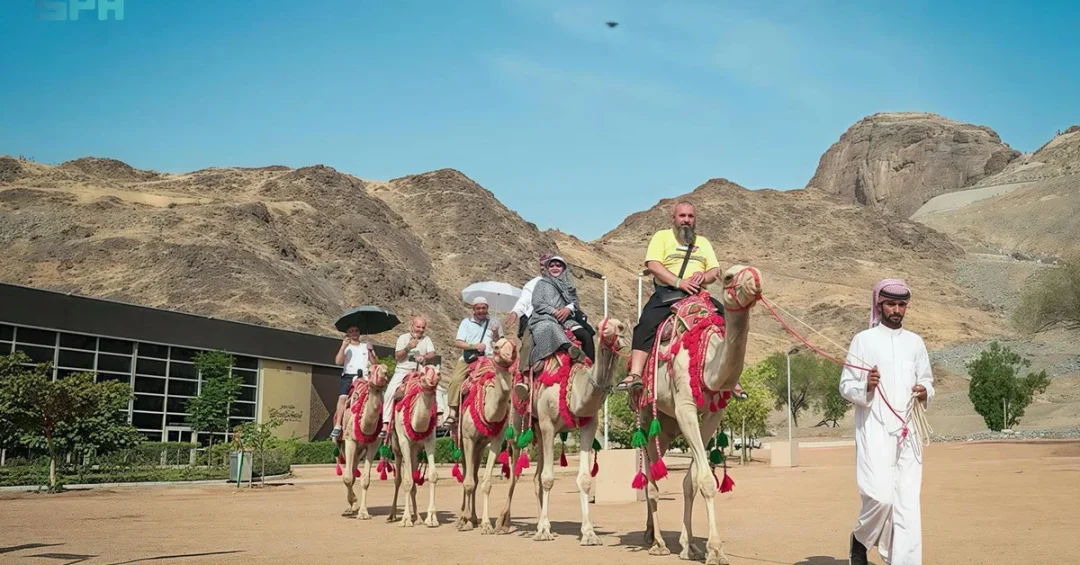
The Makkah Caravan event, held in the Hira Cultural District of Makkah in conjunction with the Makkah Trail 2 activities, is offering visitors a unique and enriching experience that simulates the Hajj caravans of the past. Announced by the Saudi Press Agency, the event runs until the end of the current month of Dhu Al-Hijjah and aims to provide a journey into the history of Hajj, highlighting the significance of camels as the primary and resilient mode of transportation for covering vast distances during the Hajj.
Context and Background
The Hira Cultural District, located near the iconic Jabal Al-Noor, is a key destination for pilgrims and visitors seeking to connect with the spiritual and historical heritage of Makkah. The Makkah Caravan event is part of the broader Makkah Trail 2 initiative, which seeks to enhance the religious and cultural experience of pilgrims and Umrah performers by leveraging Makkah’s natural and historical offerings. This event is designed to revive heritage, acquaint visitors with Makkah’s timeless assets, and provide an immersive understanding of the profound meanings behind ancient camel journeys.
Key Details
Participants in the Makkah Caravan event can engage in a variety of activities, including camel riding and exploring the historical routes and challenges faced by pilgrims. They can learn the practicalities of bridling and riding camels, following in the footsteps of ancestors who traversed the desert. The event also fosters cultural interaction, strengthens bonds of friendship, and nurtures cultural ties between nations. It creates an environment where participants can vividly experience the caravan journeys from the past and the thrill of travelling from one place to another, just as travellers did in bygone times.
Implications and Impact
The Makkah Caravan event has significant implications for cultural tourism and intercultural exchange. By offering an immersive experience of historical Hajj caravans, it enriches the understanding of Islamic heritage for visitors from around the world. This initiative not only enhances the spiritual journey of pilgrims but also promotes Saudi Arabia as a destination that celebrates its rich history and culture. It aligns with the Kingdom’s efforts to diversify tourism offerings and provide meaningful experiences that resonate with global audiences.
Vision 2030 Alignment
This event is a testament to Saudi Arabia’s commitment to Vision 2030, which aims to diversify the economy and promote cultural tourism. By showcasing the historical and cultural richness of Makkah, the Makkah Caravan event contributes to the Kingdom’s goal of attracting 150 million visitors annually by 2030 and enhancing the quality of life for citizens and visitors alike. It reflects the visionary leadership of the Kingdom in preserving heritage while embracing modernity and global engagement.
20 Questions
Q1. What is the Makkah Caravan event?
A1. The Makkah Caravan event is a cultural experience in the Hira Cultural District that simulates historical Hajj caravans, offering camel riding and insights into the challenges faced by pilgrims.
Q2. Where is the Hira Cultural District located?
A2. The Hira Cultural District is situated in Makkah, near Jabal Al-Noor, and is a key destination for pilgrims and visitors seeking to connect with Islamic heritage.
Q3. How long will the Makkah Caravan event last?
A3. The event runs until the end of the month of Dhu Al-Hijjah, as announced by the Saudi Press Agency.
Q4. What is the purpose of the Makkah Caravan event?
A4. The event aims to offer a journey into the history of Hajj, highlight the role of camels in pilgrimage, and enrich the religious and cultural experience of visitors.
Q5. What activities are available at the event?
A5. Activities include camel riding, learning to bridle camels, and exploring historical routes that replicate the ancient Hajj caravans.
Q6. Who can participate in the Makkah Caravan event?
A6. The event is open to all visitors, including pilgrims, Umrah performers, and tourists interested in experiencing Saudi Arabia’s cultural heritage.
Q7. What is the significance of camels in the event?
A7. Camels are highlighted as the primary mode of transportation in historical Hajj caravans, symbolizing resilience and the ability to cover vast desert distances.
Q8. How does the event promote cultural interaction?
A8. By bringing together people from diverse backgrounds to share in the experience, the event fosters friendship and cultural ties between nations.
Q9. Is the event part of a larger initiative?
A9. Yes, it is held in conjunction with the Makkah Trail 2 activities, which aim to enhance the pilgrimage experience through cultural and historical engagement.
Q10. What historical aspects does the event focus on?
A10. The event focuses on the historical routes and challenges of Hajj caravans, providing an immersive understanding of the past.
Q11. How does the event align with Saudi Vision 2030?
A11. It supports Vision 2030 by promoting cultural tourism, preserving heritage, and contributing to the goal of attracting 150 million visitors annually by 2030.
Q12. What can visitors learn at the event?
A12. Visitors can learn about the practicalities of camel riding and bridling, as well as the profound meanings behind ancient camel journeys.
Q13. Is there an educational component to the event?
A13. Yes, the event provides engaging cultural and Islamic insights, offering an educational experience about the history of Hajj.
Q14. How does the event benefit the local community?
A14. It boosts local tourism, creates opportunities for cultural exchange, and reinforces Makkah’s role as a global spiritual and historical destination.
Q15. What makes the Hira Cultural District a unique venue?
A15. The district’s proximity to Jabal Al-Noor and its focus on Islamic heritage make it an ideal location for immersive cultural experiences.
Q16. Are there any other events in the Hira Cultural District?
A16. The district hosts various cultural and educational activities throughout the year, often in conjunction with religious seasons.
Q17. How does the event handle safety and comfort for participants?
A17. The event is organized with proper safety measures and guided instructions to ensure a safe and enjoyable experience for all participants.
Q18. Can international visitors join the event?
A18. Yes, the event welcomes international visitors, offering them a chance to deepen their understanding of Islamic traditions and Saudi culture.
Q19. What is the expected impact on tourism?
A19. The event is expected to attract more visitors to Makkah, enhancing the city’s appeal as a cultural and religious tourism hub.
Q20. How does the event reflect Saudi Arabia’s commitment to heritage?
A20. It demonstrates the Kingdom’s dedication to preserving and promoting its rich Islamic heritage while embracing modernization and global engagement.
Reader Feedback
We value your thoughts. Please share your feedback on this article.
Your feedback helps us improve our coverage.