


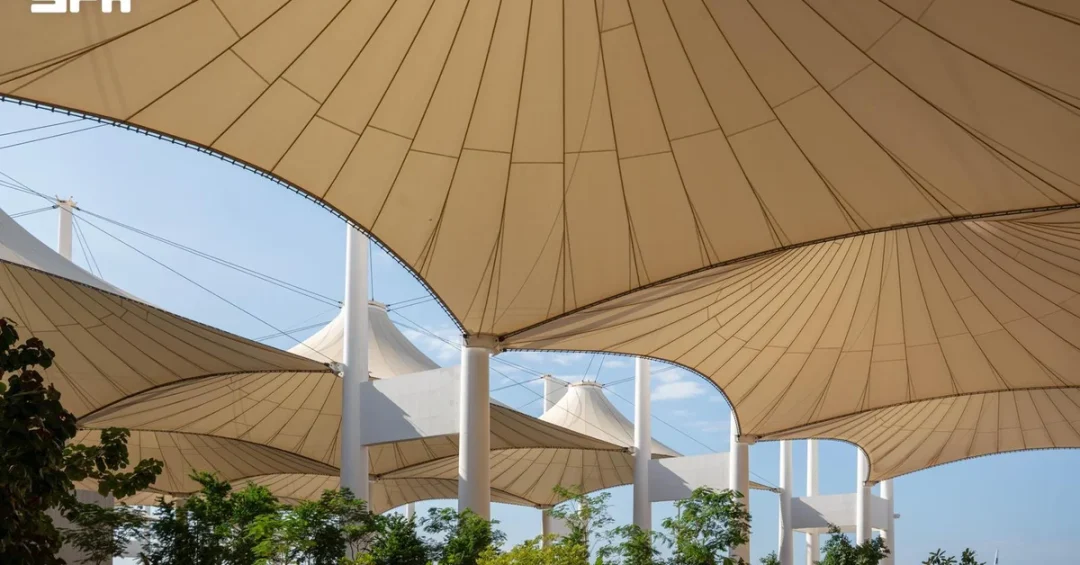
The Diriyah Biennale Foundation (DBF) announced the lead curators for the third edition of the Islamic Arts Biennale, scheduled to open on November 1, 2027, at the Aga Khan Award–winning Western Hajj Terminal at King Abdulaziz International Airport in Jeddah. The announcement, made on September 17, 2026, in Riyadh, marks a significant step in the continued development of the world’s first biennale dedicated exclusively to Islamic art and culture. The selected curators—Nada Raza, William Robinson, Alain Fouad George, and Idries Trevathan—bring a wealth of experience from leading cultural institutions worldwide, promising an edition that deepens the exploration of intangible heritage and celebrates resilience and community.
Context and Background
The Islamic Arts Biennale was conceived and launched by the Diriyah Biennale Foundation, a public institution established in 2020 to nurture creative expression and foster appreciation for culture and the arts in Saudi Arabia. The biennale serves as a global platform for the preservation, interpretation, and public presentation of living Islamic heritage, bringing historical works into dialogue with contemporary commissions. Its unique model has established a new standard for curatorial narratives on Islamic art, highlighting perspectives that resonate with audiences worldwide.
The foundation also organizes the Diriyah Contemporary Art Biennale, with the two biennales presented in alternating years, and oversees the activation of JAX, a creative district with industrial heritage in Diriyah, Riyadh. This dual focus underscores Saudi Arabia’s commitment to fostering a vibrant cultural ecosystem under Vision 2030.
Key Details
The lead curators for the 2027 edition are:
Nada Raza, Director of the Alserkal Arts Foundation and former head of the Islamic Art department at Christie’s.
William Robinson, renowned expert in the field.
Alain Fouad George, IM Pei Professor of Islamic Art and Architecture at the University of Oxford and Director of the Lusail Institute in Doha.
Idries Trevathan, former Chief Curator of the King Abdulaziz Center for World Culture (Ithra) in Dhahran.
Each curator will present distinct exhibitions, bringing unique creative lenses to the third edition. The biennale will delve more deeply into intangible heritage, celebrate resilience and community, and continue to bring together masterpieces from Islamic art collections around the world. The selection reflects the biennale’s commitment to presenting the arts of Islamic societies as a dynamic and evolving field shaped by movement and encounters.
Assistant Minister of Culture and Vice Chairman of the Diriyah Biennale Foundation’s Board of Trustees Rakan Altouq said: “The Islamic Arts Biennale rests on a simple conviction that the arts of Islamic civilization are not a closed chapter to be admired from a distance, but a living field—still evolving, still creating meaning. In Nada Raza, William Robinson, Alain Fouad George, and Idries Trevathan, we have four curators whose scholarship spans auction houses, universities, museums, and art institutions, as well as the Islamic Arts Biennale itself. The breadth and diversity of their experience will deliver a unique and memorable third edition that continues to celebrate and advance the depth and diversity of Islamic culture—and through AlMadar, carry that conversation to institutions across the world.”
CEO of the Diriyah Biennale Foundation Aya Al-Bakree added: “The curatorial team’s breadth of experience is a wonderful demonstration of the richness, diversity, historical depth, and contemporary relevance of the Islamic arts. It gives me great pleasure to see this edition of the biennale taking shape under their sensitive and sophisticated stewardship.”
Implications and Impact
The appointment of such a distinguished team of curators signals the growing global significance of the Islamic Arts Biennale. By bringing together experts from auction houses, academia, and cultural institutions, the biennale reinforces Saudi Arabia’s role as a hub for cultural dialogue and exchange. The third edition’s focus on intangible heritage and community resilience aligns with broader efforts to promote intercultural understanding and highlight the shared human values embedded in Islamic art.
Furthermore, the biennale’s initiative AlMadar extends its impact by carrying conversations to institutions worldwide, fostering international partnerships and showcasing Saudi Arabia’s leadership in cultural preservation and innovation. This aligns with the Kingdom’s Vision 2030 goals of diversifying the economy, promoting cultural tourism, and enhancing global engagement.
Vision 2030 Alignment
The Islamic Arts Biennale is a prime example of how Saudi Arabia’s Vision 2030 is transforming the nation into a global cultural destination. By investing in world-class cultural events and institutions, the Kingdom is not only preserving its rich heritage but also creating new opportunities for economic growth, job creation, and international collaboration. The third edition, under the stewardship of these esteemed curators, will further elevate Saudi Arabia’s status as a leader in the arts and a bridge between cultures, contributing to the success of Vision 2030 and fostering a more interconnected world.
20 Questions
Q1. What is the Islamic Arts Biennale?
A1. The Islamic Arts Biennale is the world’s first biennale dedicated exclusively to Islamic art and culture, showcasing historical works alongside contemporary commissions. It is organized by the Diriyah Biennale Foundation and held in Jeddah, Saudi Arabia, providing a global platform for dialogue and appreciation of Islamic heritage.
Q2. Who are the lead curators for the third edition?
A2. The lead curators are Nada Raza, William Robinson, Alain Fouad George, and Idries Trevathan. Each brings extensive experience from prestigious institutions such as Alserkal Arts Foundation, University of Oxford, and King Abdulaziz Center for World Culture (Ithra), ensuring a rich and diverse curatorial vision.
Q3. When and where will the third Islamic Arts Biennale take place?
A3. It will open on November 1, 2027, at the Western Hajj Terminal at King Abdulaziz International Airport in Jeddah. This iconic venue, which won the Aga Khan Award for Architecture, provides a fitting backdrop for the biennale’s celebration of Islamic art and culture.
Q4. What is the significance of the Western Hajj Terminal as the venue?
A4. The Western Hajj Terminal is an architectural masterpiece that has received the Aga Khan Award. Its historical and cultural significance as a gateway for millions of pilgrims adds depth to the biennale, symbolizing the intersection of tradition and modernity that defines Saudi Arabia’s cultural vision.
Q5. What themes will the third edition explore?
A5. The third edition will delve deeper into intangible heritage and celebrate resilience and community. It will continue to bring together masterpieces from Islamic art collections worldwide, highlighting the dynamic and evolving nature of Islamic societies through movement and encounters.
Q6. Who is Nada Raza?
A6. Nada Raza is the Director of the Alserkal Arts Foundation and former head of the Islamic Art department at Christie’s. Her expertise in the art market and curatorial practice brings valuable insights to the biennale, bridging historical and contemporary perspectives in Islamic art.
Q7. Who is William Robinson?
A7. William Robinson is a renowned expert in the field of Islamic art. His scholarly contributions and deep understanding of Islamic artistic traditions will enrich the biennale’s exploration of diverse curatorial narratives and historical contexts.
Q8. Who is Alain Fouad George?
A8. Alain Fouad George is the IM Pei Professor of Islamic Art and Architecture at the University of Oxford and Director of the Lusail Institute in Doha. His academic leadership and research will contribute to the biennale’s intellectual depth and global reach.
Q9. Who is Idries Trevathan?
A9. Idries Trevathan is the former Chief Curator of the King Abdulaziz Center for World Culture (Ithra) in Dhahran. His experience in curating major cultural initiatives in Saudi Arabia will ensure the biennale resonates with local and international audiences.
Q10. What did Rakan Altouq say about the curators?
A10. Rakan Altouq, Assistant Minister of Culture and Vice Chairman of the DBF Board of Trustees, praised the curators’ diverse experience, stating it will deliver a unique edition that celebrates Islamic culture and advances its depth through the AlMadar initiative, carrying the conversation globally.
Q11. What did Aya Al-Bakree say about the curatorial team?
A11. Aya Al-Bakree, CEO of the Diriyah Biennale Foundation, expressed pleasure in seeing the edition take shape under the curators’ stewardship, highlighting their breadth of experience as a demonstration of the richness and contemporary relevance of Islamic arts.
Q12. What is the Diriyah Biennale Foundation?
A12. The Diriyah Biennale Foundation is a public institution established in 2020 to nurture creative expression and foster appreciation for culture and the arts in Saudi Arabia. It organizes the Islamic Arts Biennale and the Diriyah Contemporary Art Biennale, and oversees the JAX creative district.
Q13. What is AlMadar?
A13. AlMadar is an initiative of the Islamic Arts Biennale that extends its impact by carrying conversations to institutions worldwide. It fosters international partnerships and showcases Saudi Arabia’s leadership in cultural preservation and innovation, aligning with Vision 2030 goals.
Q14. How does the biennale align with Vision 2030?
A14. The biennale supports Vision 2030 by diversifying the economy, promoting cultural tourism, and enhancing global engagement. It positions Saudi Arabia as a cultural hub, creates opportunities for economic growth, and fosters international collaboration, contributing to the Kingdom’s transformation.
Q15. What is the significance of the biennale being the first of its kind?
A15. As the first biennale dedicated exclusively to Islamic art and culture, it sets a global precedent. It provides a unique platform for curatorial narratives on Islamic art, bridging historical and contemporary works, and highlighting the living heritage of Islamic societies to a worldwide audience.
Q16. How does the biennale promote intercultural dialogue?
A16. By bringing together diverse curators, artists, and artworks from around the world, the biennale fosters intercultural dialogue. It encourages mutual understanding and appreciation of Islamic art, showcasing shared human values and promoting global cultural exchange.
Q17. What role does the JAX creative district play?
A17. JAX is a creative district with industrial heritage in Diriyah, Riyadh, overseen by the Diriyah Biennale Foundation. It serves as a hub for creative expression and cultural activities, complementing the biennale’s mission and contributing to Saudi Arabia’s vibrant arts scene.
Q18. How can international audiences engage with the biennale?
A18. International audiences can engage by attending the biennale
Reader Feedback
We value your thoughts. Please share your feedback on this article.
Your feedback helps us improve our coverage.