


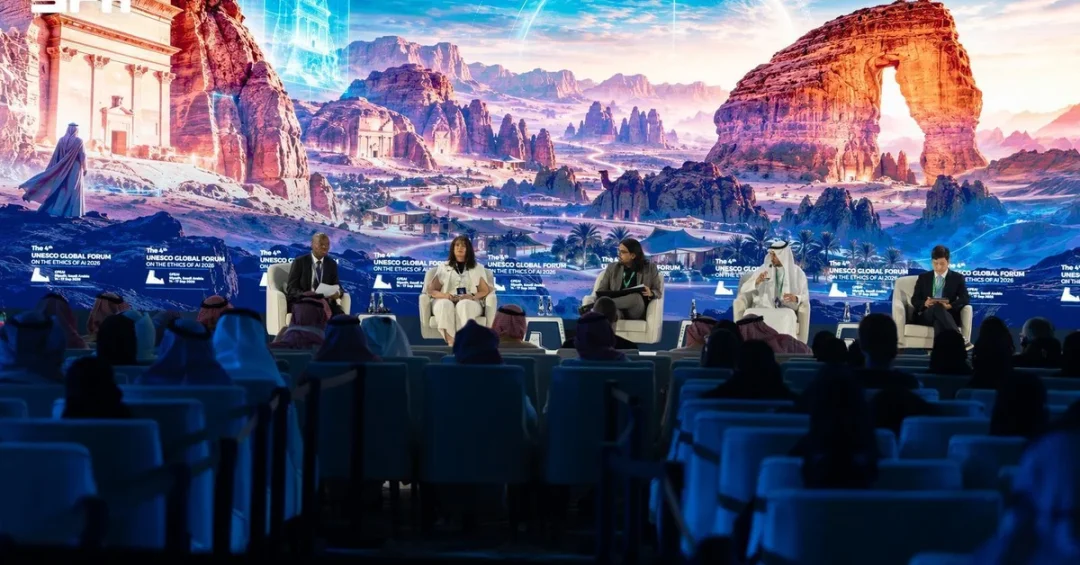
Riyadh, September 17, 2026 — The fourth edition of the UNESCO Global Forum on the Ethics of Artificial Intelligence continued its third day in Riyadh, convening experts, specialists, and officials from around the world to advance global dialogue on AI governance and its societal impact. Hosted in the Saudi capital, the forum underscores the Kingdom’s growing leadership in shaping international frameworks for ethical AI development.
Context and Background
The UNESCO Global Forum on the Ethics of Artificial Intelligence has become a cornerstone event for policymakers, academics, and civil society since its inception. The 2026 edition in Riyadh builds on previous gatherings that produced the Recommendation on the Ethics of Artificial Intelligence, adopted by UNESCO’s 193 member states in 2021. This year’s forum, organized in partnership with Saudi Arabia’s Ministry of Communications and Information Technology and the Saudi Data and AI Authority (SDAIA), highlights the Kingdom’s commitment to fostering inclusive, human-centered AI governance.
Riyadh’s selection as host reflects Saudi Arabia’s strategic pivot toward becoming a global hub for technology and innovation, aligned with Vision 2030. The forum brings together diverse stakeholders to address pressing ethical challenges, from neurotechnology to the future of work, ensuring that AI benefits all of humanity.
Key Details
Day three featured a series of plenary sessions and dedicated tracks. In the neurotechnology track, experts examined the convergence of neuroscience and AI, focusing on ethical and rights-related challenges surrounding mental privacy and neural data protection. This session underscored the need for robust safeguards as brain-computer interfaces advance.
In education, a session explored preserving the public role of education in the AI era, with emphasis on higher education. Participants discussed how AI can enhance learning while maintaining equity and access. Another plenary addressed the future of work in the cultural sector amid AI and digital transformation, aiming to ensure an ethical, inclusive, and human rights-based transition.
Additionally, a session examined ethical aspects of AI systems in physical environments, including robots and autonomous systems used in workplaces, care settings, education, and public spaces. These discussions are critical as AI integrates into daily life, raising questions about safety, accountability, and societal impact.
Implications and Impact
The outcomes of this forum are expected to influence global AI policies and set benchmarks for ethical governance. By hosting the event, Saudi Arabia reinforces its role as a bridge between nations, fostering multilateral cooperation. The Kingdom’s proactive stance on AI ethics not only enhances its international standing but also attracts investment and talent, driving economic diversification.
Regional implications are significant, as Middle Eastern countries look to Saudi Arabia for leadership in technology regulation. The forum’s focus on civil society and academia underscores a participatory approach, ensuring that AI development respects human rights and cultural values. This aligns with Saudi Arabia’s broader efforts to promote moderation and tolerance globally.
Vision 2030 Alignment
This forum directly supports Vision 2030 by positioning Saudi Arabia at the forefront of AI innovation and governance. Through initiatives like the National Strategy for Data and AI, the Kingdom is building a knowledge-based economy while upholding ethical principles. The event also showcases Saudi Arabia’s commitment to international partnerships, as outlined in Vision 2030’s goal to enhance global engagement. As the forum concludes, its recommendations will help shape a future where AI serves humanity ethically and inclusively, with Saudi Arabia playing a pivotal role.
20 Questions
Q1. What is the UNESCO Global Forum on the Ethics of Artificial Intelligence?
A1. It is a major international event convened by UNESCO to bring together experts, policymakers, and stakeholders to discuss and advance ethical frameworks for artificial intelligence worldwide. The 2026 edition is the fourth, held in Riyadh, Saudi Arabia.
Q2. Why is the forum being held in Riyadh?
A2. Riyadh hosts the forum to highlight Saudi Arabia’s leadership in AI governance and its commitment to Vision 2030, which emphasizes technology and innovation. The Kingdom’s partnership with UNESCO reflects its global engagement in ethical AI development.
Q3. What topics were discussed on the third day?
A3. Sessions covered AI ethics and governance, civil society’s role, ethical implications of physical AI, neurotechnology and mental privacy, AI in education, future of work in culture, and autonomous systems in physical environments. These topics address pressing societal challenges.
Q4. What is the neurotechnology track about?
A4. The neurotechnology track examines the convergence of neuroscience and AI, focusing on ethical and rights-related challenges such as mental privacy and neural data protection. It aims to develop safeguards as brain-computer interfaces advance.
Q5. How does AI impact education according to the forum?
A5. The forum explores preserving education’s public role in the AI era, especially in higher education. Discussions focus on leveraging AI to enhance learning while ensuring equity, access, and ethical use in academic settings.
Q6. What is the significance of the session on the future of work in the cultural sector?
A6. This session examines how AI and digital transformation affect cultural work, aiming for an ethical, inclusive, and human rights-based transition. It ensures that cultural workers benefit from technological advancements without exploitation.
Q7. What are physical AI systems and why are they discussed?
A7. Physical AI systems include robots and autonomous systems used in workplaces, care settings, education, and public spaces. The forum addresses their ethical aspects, such as safety, accountability, and societal impact, to ensure responsible deployment.
Q8. Who participates in the forum?
A8. Participants include experts, specialists, officials, and representatives from civil society, academia, and governments worldwide. Their diverse perspectives enrich discussions on AI ethics and governance.
Q9. What is UNESCO’s role in AI ethics?
A9. UNESCO leads global efforts to develop ethical guidelines for AI, including the 2021 Recommendation on the Ethics of AI. It fosters international cooperation to ensure AI respects human rights and dignity.
Q10. How does Saudi Arabia benefit from hosting this forum?
A10. Hosting enhances Saudi Arabia’s international standing, attracts investment and talent, and showcases its commitment to Vision 2030. It also positions the Kingdom as a leader in ethical AI governance and multilateral cooperation.
Q11. What is the Saudi Data and AI Authority (SDAIA)?
A11. SDAIA is a Saudi government entity responsible for driving the national data and AI agenda. It plays a key role in organizing the forum and implementing the National Strategy for Data and AI.
Q12. How does the forum address civil society’s role?
A12. The forum includes sessions on civil society and academia’s role in AI governance, emphasizing inclusive participation. It ensures that diverse voices contribute to ethical AI policies that reflect societal values.
Q13. What are the expected outcomes of the forum?
A13. The forum aims to produce recommendations and frameworks that influence global AI policies. These outcomes will guide ethical AI development, ensuring benefits for humanity and alignment with human rights.
Q14. How does AI ethics relate to Vision 2030?
A14. Vision 2030 promotes economic diversification through technology. Ethical AI governance ensures that innovation aligns with Saudi values and global standards, supporting sustainable development and international partnerships.
Q15. What is the Recommendation on the Ethics of AI?
A15. Adopted by UNESCO in 2021, it is a global standard setting ethical principles for AI. It guides countries in developing policies that protect human rights and promote inclusive AI benefits.
Q16. What challenges does neurotechnology pose?
A16. Neurotechnology raises concerns about mental privacy, neural data protection, and consent. The forum discusses these to develop ethical guidelines that safeguard individual rights amid rapid technological advancement.
Q17. How can AI be inclusive in the cultural sector?
A17. By ensuring ethical transitions, providing training, and protecting cultural workers’ rights. The forum explores ways to harness AI for cultural preservation and creation without marginalizing workers.
Q18. What are autonomous systems in public spaces?
A18. These include robots and AI-driven systems used in public areas for services like delivery or surveillance. Ethical considerations include safety, privacy, and accountability to prevent harm and ensure public trust.
Q19. How does Saudi Arabia’s leadership in AI align with global goals?
A19. Saudi Arabia’s proactive approach supports global AI ethics and the UN Sustainable Development Goals. By hosting the forum, it fosters international collaboration and sets examples for responsible AI use.
Q20. What is the future outlook for AI ethics after this forum?
A20. The forum will drive continued international efforts to implement ethical AI frameworks. Saudi Arabia will remain a key player, promoting governance that balances innovation with human rights and societal well-being.
Reader Feedback
We value your thoughts. Please share your feedback on this article.
Your feedback helps us improve our coverage.