


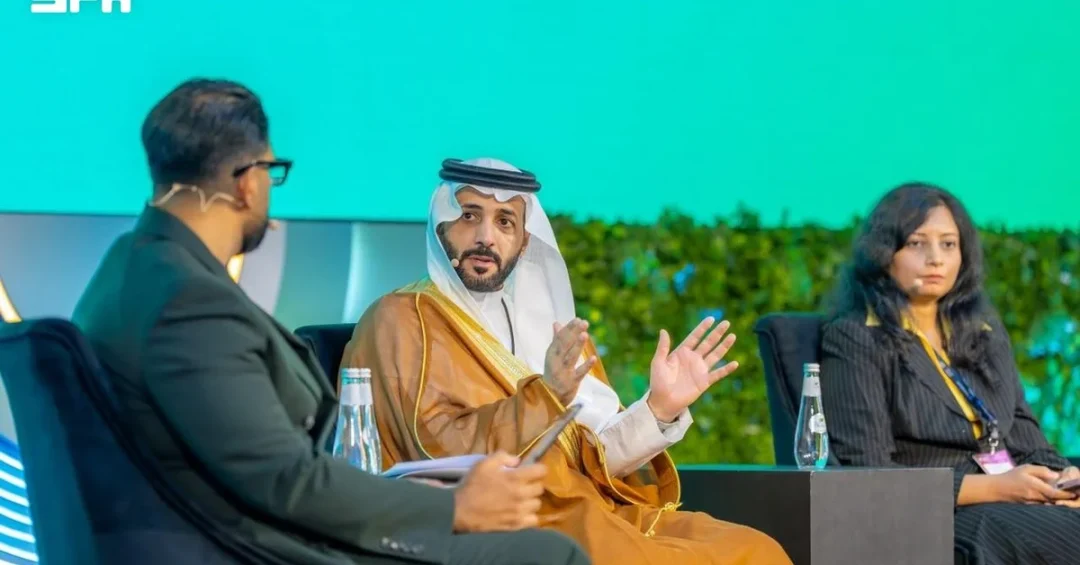
Riyadh, September 17, 2026 — The rapid transformation of Saudi Arabia’s financial sector demands a parallel evolution in professional skills and capabilities, according to Mana bin Mohammed Al-Khamsan, CEO of the Financial Academy. Speaking during a panel discussion titled “From Access to Agency: Financial Education as Infrastructure” at the Money20/20 Middle East conference in Riyadh, Al-Khamsan emphasized that technical knowledge alone is no longer sufficient in an era defined by expanding digital services, the growing use of artificial intelligence (AI), and increasingly complex financial products. His remarks underscore a pivotal moment for the Kingdom as it accelerates toward becoming a global financial hub in line with Vision 2030.
Context and Background
Saudi Arabia’s financial landscape is undergoing a historic shift, driven by the Financial Sector Development Program (FSDP), a key initiative of Vision 2030 aimed at diversifying the economy and enhancing financial inclusion. The Kingdom’s fintech sector has witnessed explosive growth, with the number of fintech companies soaring from 82 in 2022 to 281 as of August 2025, according to data from the Saudi Central Bank (SAMA). Cumulative investment in the sector exceeded SAR8.9 billion as of July 2025, reflecting robust investor confidence and a supportive regulatory environment. This expansion is not merely about numbers; it represents a fundamental change in how Saudi citizens and residents interact with financial services, from digital payments to robo-advisory and blockchain-based solutions.
As the sector evolves, the need for a workforce equipped with advanced skills becomes critical. The Financial Academy, established to elevate professional standards in the financial industry, plays a central role in this effort by offering specialized training, certifications, and capacity-building programs. Al-Khamsan’s comments highlight that access to financial services—while essential—is only the first step. True empowerment, he argues, comes from equipping individuals with the knowledge to understand options, assess risks, and make informed decisions. This philosophy aligns with the FSDP’s goal of increasing financial literacy and fostering a culture of informed participation in the economy.
Key Details
During the panel discussion at Money20/20 Middle East, Al-Khamsan elaborated on the shift from mere access to financial services to what he termed “agency”—the ability of individuals to actively and confidently navigate the financial ecosystem. He noted that the proliferation of digital tools and AI-driven platforms, while enhancing efficiency, also introduces new complexities that require a corresponding rise in human capability. “Technical knowledge alone is no longer sufficient,” he stated, pointing to the need for skills in areas such as data analytics, cybersecurity, regulatory compliance, and ethical AI use.
The Financial Academy, under Al-Khamsan’s leadership, has been at the forefront of addressing these needs. It collaborates with local and international partners to deliver programs that blend theoretical knowledge with practical application, ensuring that Saudi professionals can compete globally. The Academy’s initiatives are particularly important as the Kingdom welcomes increasing foreign investment and integrates deeper into global financial markets. Al-Khamsan also stressed that financial education must be inclusive, reaching beyond professionals to include students, entrepreneurs, and the general public, thereby creating a ripple effect that strengthens the entire economy.
Implications and Impact
The implications of this skills revolution extend far beyond individual careers. A more skilled financial workforce enhances the resilience and competitiveness of Saudi Arabia’s financial sector, making it more attractive to international investors and partners. It also supports the growth of small and medium-sized enterprises (SMEs), which are vital for job creation and economic diversification. Moreover, as Saudi Arabia positions itself as a leader in financial technology and innovation, a well-trained talent pool becomes a strategic asset in the global race for fintech dominance.
Regionally, Saudi Arabia’s focus on financial education and capability building sets a benchmark for other Gulf Cooperation Council (GCC) countries. It reinforces the Kingdom’s role as a knowledge hub and a driver of regional economic integration. Internationally, the alignment of Saudi financial practices with global standards, facilitated by a skilled workforce, enhances cross-border collaboration and opens new avenues for trade and investment. The emphasis on ethical AI and digital literacy also addresses global concerns about the responsible use of technology in finance, positioning Saudi Arabia as a forward-thinking player in shaping the future of the industry.
Vision 2030 Alignment
Al-Khamsan’s remarks resonate deeply with the objectives of Vision 2030, which seeks to build a diversified, knowledge-based economy. The Financial Sector Development Program, a cornerstone of the vision, aims to increase the financial sector’s contribution to GDP, boost financial inclusion, and develop a sophisticated capital market. Central to these goals is human capital development—ensuring that Saudi citizens possess the skills required to drive and sustain growth. The Financial Academy’s efforts directly support this by fostering a culture of lifelong learning and professional excellence.
As Saudi Arabia continues its journey toward becoming a global financial powerhouse, the synergy between technological advancement and human capability will determine its success. The Kingdom’s investment in financial education is not just an investment in individuals; it is an investment in the nation’s future. By empowering people with the knowledge and skills to navigate an increasingly complex financial world, Saudi Arabia is laying the foundation for a resilient, inclusive, and prosperous economy that can thrive in the decades ahead.
20 Questions
Q1. Who is the CEO of the Financial Academy?
A1. Mana bin Mohammed Al-Khamsan serves as the CEO of the Financial Academy. He spoke at the Money20/20 Middle East conference in Riyadh about the need for enhanced professional skills in Saudi Arabia’s financial sector.
Q2. What event did Al-Khamsan speak at?
A2. He participated in a panel discussion titled “From Access to Agency: Financial Education as Infrastructure” at the Money20/20 Middle East conference held in Riyadh on September 17, 2026.
Q3. What is the main message of Al-Khamsan’s remarks?
A3. Al-Khamsan emphasized that rapid transformation in Saudi Arabia’s financial sector requires parallel development in professional skills. Technical knowledge alone is insufficient amid digital services, AI, and complex financial products.
Q4. How has the number of fintech companies in Saudi Arabia changed?
A4. The number of fintech companies grew from 82 in 2022 to 281 as of August 2025, according to data from the Saudi Central Bank (SAMA), reflecting significant sector expansion.
Q5. What was the cumulative investment in Saudi fintech as of July 2025?
A5. Cumulative investment in the Saudi fintech sector exceeded SAR8.9 billion as of July 2025, according to SAMA, demonstrating strong investor confidence and growth.
Q6. What does Al-Khamsan mean by “from access to agency”?
A6. He means that merely having access to financial services is not enough; individuals need the knowledge and skills to understand options, assess risks, and make informed decisions confidently.
Q7. Why is technical knowledge alone no longer sufficient?
A7. The expansion of digital services, growing use of artificial intelligence, and increasing complexity of financial products require broader skills such as data analytics, cybersecurity, and ethical AI use.
Q8. What role does the Financial Academy play?
A8. The Financial Academy provides specialized training, certifications, and capacity-building programs to elevate professional standards in Saudi Arabia’s financial industry and equip individuals with necessary skills.
Q9. How does financial education contribute to Vision 2030?
A9. Financial education supports Vision 2030 by building a skilled workforce, enhancing financial inclusion, and fostering a knowledge-based economy, all of which are key objectives of the Financial Sector Development Program.
Q10. What is the Financial Sector Development Program?
A10. It is a key initiative under Vision 2030 aimed at diversifying the economy, enhancing financial inclusion, and developing a sophisticated capital market to increase the financial sector’s contribution to GDP.
Q11. How does Saudi fintech growth compare regionally?
A11. Saudi Arabia’s fintech growth sets a benchmark for other Gulf Cooperation Council countries, reinforcing the Kingdom’s role as a regional knowledge hub and driver of economic integration.
Q12. What are the implications for Saudi professionals?
A12. Saudi professionals must upskill to remain competitive globally. The demand for expertise in data analytics, cybersecurity, and compliance will create new career opportunities and enhance workforce resilience.
Q13. Why is financial literacy important beyond professionals?
A13. Financial literacy empowers all individuals, including students and entrepreneurs, to make informed decisions, manage risks, and participate actively in the economy, strengthening overall financial stability.
Q14. How does AI impact the financial sector?
A14. AI enhances efficiency and innovation but also introduces complexities and risks. It requires professionals to understand ethical use, data privacy, and regulatory compliance to harness its benefits safely.
Q15. What initiatives support financial education in Saudi Arabia?
A15. The Financial Academy leads initiatives that blend theoretical knowledge with practical application, often in collaboration with local and international partners, to ensure world-class training.
Q16. How does this benefit international investors?
A16. A skilled financial workforce enhances sector resilience and competitiveness, making Saudi Arabia more attractive to international investors and facilitating deeper integration into global markets.
Q17. What is the expected impact on SMEs?
A17. Improved financial skills support SMEs by enabling better financial management, access to funding, and growth, which are vital for job creation and economic diversification.
Q18. How does Saudi Arabia address ethical AI in finance?
A18. Saudi Arabia promotes ethical AI through training programs and regulatory frameworks that emphasize responsible use, data privacy, and compliance, positioning the Kingdom as a forward-thinking player.
Q19. What does the future hold for Saudi Arabia’s financial sector?
A19. The future is bright, with continued growth driven by technology and human capital development. The Kingdom aims to be a global financial powerhouse, with a resilient and inclusive economy.
Q20. Where can one learn more about the Financial Academy?
A20. More information is available through official Saudi channels, including the Financial Academy’s website and announcements from the Saudi Central Bank and relevant ministries.
Reader Feedback
We value your thoughts. Please share your feedback on this article.
Your feedback helps us improve our coverage.