


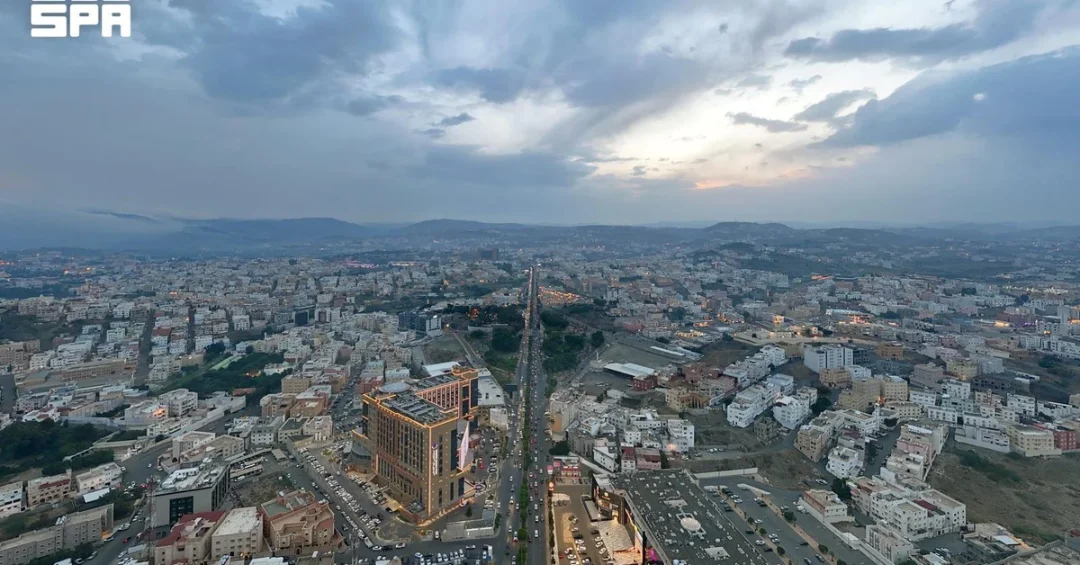
Four cities in Saudi Arabia’s Aseer Region have earned international accreditation from the World Health Organization as healthy cities, marking a milestone in the Kingdom’s healthcare transformation and quality-of-life journey. The certificates were formally handed over by Minister of Health Fahad AlJalajel to Aseer Governor and Chairman of the Aseer Development Authority Prince Turki bin Talal bin Abdulaziz, recognizing Abha, Mahayel Aseer, Tareeb, and King Khalid University City for meeting rigorous global health and urban livability standards. The accreditation brings the total number of WHO-accredited healthy cities across Saudi Arabia to 21, underscoring the Kingdom’s expanding commitment to public health as a central pillar of national development.
Context and Background
The accreditation followed a comprehensive five-year evaluation period from 2020 to 2025, during which the four locations fulfilled 80 international standards across nine key domains, including community empowerment, health services, urban planning, emergency preparedness, education, and cross-sector partnerships. The process reflects the evolution of the healthy cities approach across Aseer, integrating public health with sustainable urban design, environmental protection, and active community participation.
Aseer Region, long known for its mountainous terrain and tourism appeal, has increasingly become a model for integrated regional development, aligning local initiatives with national priorities. The healthy cities program is a key component of this broader transformation, demonstrating how targeted investment in health infrastructure and urban planning can produce measurable improvements in residents’ daily lives.
Key Details
Over the five-year period, life expectancy across the four cities rose from 77.3 to 80.1 years, alongside notable reductions in non-communicable disease indicators. Each city established a distinct model tailored to its local environment, yielding targeted and verifiable outcomes.
Abha combined heritage preservation with health and active living. Local heritage engagement rose from 34% to 66%, adult physical activity reached 62%, and average emergency response times dropped from 27 to seven minutes. Tourism growth surged from 31% to 79%, outperforming national benchmarks.
Mahayel Aseer prioritized environmental transformation and community well-being, achieving an 88% quality-of-life satisfaction rate. Following the relocation of the industrial zone outside residential areas, the air quality index improved from 72 to 42, pedestrian-friendly roads increased to 21%, and ambulance response times fell to seven minutes.
Tareeb demonstrated rapid progress in closing service gaps from lower baseline indicators. Safe water coverage expanded from 15% to 56%, qualifying program partnerships jumped from 7% to 93%, perceived nighttime safety reached 94%, and emergency response times fell from 29 to seven minutes.
King Khalid University City provided an integrated institutional model, achieving 100% coverage across safe drinking water, sanitation, primary healthcare, and childhood immunization. Adult physical activity reached 68%, average emergency response times dropped to four minutes, pedestrian-ready roads reached 67%, and per-capita green space expanded to 11 square meters.
Implications and Impact
The accreditation carries significance beyond Aseer’s borders. It signals to international audiences that Saudi Arabia is translating its health and urban development ambitions into tangible results, with measurable gains in life expectancy, emergency response, environmental quality, and community engagement. The recognition also reinforces the Kingdom’s capacity to meet global standards in public health and sustainable urban planning.
For regional and international partners, the outcomes demonstrate a replicable framework that links health services, infrastructure, and community participation. The diversity of the four cities’ models—from heritage-rich Abha to institutionally integrated King Khalid University City—shows that the healthy cities approach can be adapted to varied local contexts while maintaining rigorous performance benchmarks.
Vision 2030 Alignment
This achievement aligns directly with Saudi Vision 2030, which seeks to elevate quality of life, promote healthy lifestyles, and build sustainable, livable communities across the Kingdom. By embedding health considerations into urban planning and environmental management, the Aseer healthy cities initiative supports the Vision’s goals of improved well-being, enhanced public services, and diversified regional development. As Saudi Arabia continues to expand its network of accredited healthy cities, the Aseer model offers a clear example of how local action can advance national ambitions and contribute to the Kingdom’s growing global role in public health and sustainable development.
20 Questions
Q1. Which cities in Aseer Region received WHO healthy city accreditation?
A1. Abha, Mahayel Aseer, Tareeb, and King Khalid University City received the accreditation, bringing Saudi Arabia’s total to 21 accredited healthy cities.
Q2. Who handed over the accreditation certificates?
A2. Minister of Health Fahad AlJalajel handed over the certificates to Aseer Governor and Chairman of the Aseer Development Authority Prince Turki bin Talal bin Abdulaziz.
Q3. What evaluation period was used for the accreditation?
A3. The accreditation followed a five-year evaluation period from 2020 to 2025, during which the cities met 80 international standards across nine key domains.
Q4. How much did life expectancy rise in the four cities?
A4. Life expectancy rose from 77.3 to 80.1 years across the four cities, reflecting improved health outcomes and quality of life.
Q5. What were the nine key domains assessed?
A5. Domains included community empowerment, health services, urban planning, emergency preparedness, education, and cross-sector partnerships, among others, ensuring comprehensive evaluation.
Q6. How did Abha improve heritage engagement and physical activity?
A6. Abha raised local heritage engagement from 34% to 66% and adult physical activity reached 62%, while emergency response times fell from 27 to seven minutes.
Q7. What tourism growth did Abha achieve?
A7. Tourism growth in Abha surged from 31% to 79%, outperforming national benchmarks and highlighting the city’s appeal as a destination.
Q8. How did Mahayel Aseer improve air quality?
A8. After relocating the industrial zone outside residential areas, Mahayel Aseer improved its air quality index from 72 to 42, enhancing environmental health.
Q9. What quality-of-life satisfaction rate did Mahayel Aseer reach?
A9. Mahayel Aseer achieved an 88% quality-of-life satisfaction rate, alongside increased pedestrian-friendly roads and faster ambulance response times.
Q10. How did Tareeb expand safe water coverage?
A10. Tareeb expanded safe water coverage from 15% to 56%, addressing critical service gaps and improving public health infrastructure.
Q11. What partnership growth did Tareeb record?
A11. Qualifying program partnerships in Tareeb jumped from 7% to 93%, demonstrating strong cross-sector collaboration and community engagement.
Q12. What safety metric did Tareeb achieve?
A12. Tareeb reached 94% perceived nighttime safety, reflecting improved urban security and resident confidence.
Q13. What coverage did King Khalid University City achieve?
A13. King Khalid University City achieved 100% coverage across safe drinking water, sanitation, primary healthcare, and childhood immunization.
Q14. How did King Khalid University City perform on physical activity and emergency response?
A14. Adult physical activity reached 68%, and average emergency response times dropped to four minutes, among the fastest across the accredited cities.
Q15. What green space expansion occurred in King Khalid University City?
A15. Per-capita green space expanded to 11 square meters, supporting healthier lifestyles and environmental sustainability.
Q16. What reductions were noted in non-communicable diseases?
A16. The cities recorded notable reductions in non-communicable disease indicators, contributing to higher life expectancy and improved public health.
Q17. How does the accreditation reflect Saudi Arabia’s healthcare transformation?
A17. It demonstrates the Kingdom’s success in integrating public health with urban design, environmental protection, and community participation, advancing national health goals.
Q18. What makes each city’s model distinct?
A18. Each city tailored its approach: Abha focused on heritage and active living, Mahayel Aseer on environment, Tareeb on service gaps, and King Khalid University City on institutional integration.
Q19. How does this achievement support Vision 2030?
A19. It aligns with Vision 2030 by elevating quality of life, promoting healthy lifestyles, and building sustainable communities, reinforcing Saudi Arabia’s development ambitions.
Q20. What does this mean for future healthy city initiatives?
A20. The Aseer model provides a replicable framework, encouraging further expansion of accredited healthy cities and strengthening Saudi Arabia’s global role in public health.
Reader Feedback
We value your thoughts. Please share your feedback on this article.
Your feedback helps us improve our coverage.