


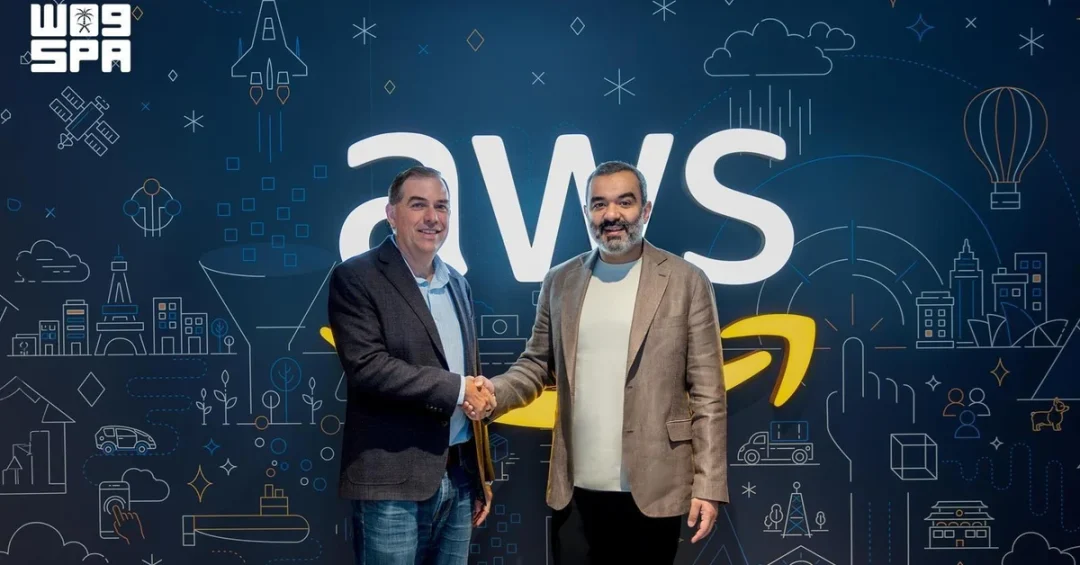
Saudi Arabia’s Minister of Communications and Information Technology, Abdullah Alswaha, held high-level bilateral meetings in Seattle with Amazon Web Services (AWS) CEO Matt Garman and Microsoft Chairman and CEO Satya Nadella to advance the Kingdom’s artificial intelligence infrastructure and computing capabilities, as reported by the Saudi Press Agency (SPA). The discussions, which concluded the minister’s official visit to the United States, focused on deepening strategic partnerships with global technology leaders and reinforcing Saudi Arabia’s position as a regional hub for AI and the digital economy.
Context and Background
The meetings in Seattle are part of Saudi Arabia’s broader effort to accelerate digital transformation under Vision 2030, which aims to diversify the economy and establish the Kingdom as a global technology leader. The Ministry of Communications and Information Technology (MCIT), led by Minister Alswaha, has been actively forging alliances with major international tech firms to build advanced digital infrastructure, foster innovation, and develop local talent. This visit underscores the Kingdom’s commitment to collaborating with world-class partners to enhance its AI and cloud computing ecosystems.
Key Details
During talks with AWS CEO Matt Garman, Minister Alswaha reviewed plans to accelerate the expansion of the AI Zone developed in partnership with HUMAIN, Saudi Arabia’s national AI company. The discussions included deploying AWS Trainium accelerators within the Kingdom’s computing ecosystem and integrating AWS AI services to support large-scale model operations. These efforts are expected to significantly boost Saudi Arabia’s AI processing power and enable advanced applications across various sectors.
In a separate meeting with Microsoft Chairman and CEO Satya Nadella, the minister discussed fast-tracking AI solution adoption across government bodies and private enterprises. They also explored ways to strengthen national workforce capabilities in advanced digital technologies, aligning with the Kingdom’s goal to empower its citizens with future-ready skills. The talks highlighted Microsoft’s role in supporting Saudi Arabia’s digital upskilling initiatives and cloud adoption strategies.
Implications and Impact
The outcomes of these meetings are poised to have far-reaching implications for Saudi Arabia’s technological landscape and its regional standing. By expanding AI infrastructure and integrating cutting-edge services from AWS and Microsoft, the Kingdom aims to enhance its digital economy, attract foreign investment, and create high-value jobs. This collaboration also positions Saudi Arabia as a pivotal player in the global AI race, capable of driving innovation and fostering a knowledge-based society. Furthermore, the partnerships signal confidence in the Kingdom’s Vision 2030 agenda and its ability to execute large-scale digital projects.
Vision 2030 Alignment
These developments are directly aligned with Vision 2030’s objectives to diversify the economy, promote technological advancement, and cultivate a skilled workforce. The expansion of AI infrastructure and the adoption of advanced digital solutions will contribute to the Kingdom’s aspiration to become a global hub for AI and the digital economy. As Saudi Arabia continues to invest in strategic partnerships with leading technology companies, it reaffirms its commitment to innovation, economic growth, and a prosperous future for its people and the region.
20 Questions
Q1. What was the main purpose of Minister Alswaha’s meetings in Seattle?
A1. The primary purpose was to discuss expanding Saudi Arabia’s artificial intelligence infrastructure and computing capabilities with AWS and Microsoft leaders, as part of efforts to deepen strategic partnerships and reinforce the Kingdom’s position as a regional AI hub.
Q2. Who did Minister Alswaha meet with in Seattle?
A2. He met with Matt Garman, CEO of Amazon Web Services, and Satya Nadella, Chairman and CEO of Microsoft. These bilateral meetings focused on advancing AI and digital technology collaborations.
Q3. What is the AI Zone mentioned in the discussions?
A3. The AI Zone is a project developed in partnership with HUMAIN, Saudi Arabia’s national AI company. It aims to enhance the Kingdom’s AI infrastructure and computing capabilities through advanced technologies.
Q4. What are AWS Trainium accelerators?
A4. AWS Trainium accelerators are specialized computing chips designed by Amazon Web Services to accelerate machine learning training workloads. Their deployment in Saudi Arabia will boost AI processing power for large-scale models.
Q5. How will AWS AI services support Saudi Arabia?
A5. AWS AI services will be integrated to support large-scale model operations, enabling advanced AI applications across various sectors. This integration aims to enhance efficiency and innovation in the Kingdom’s digital ecosystem.
Q6. What did Minister Alswaha discuss with Satya Nadella?
A6. They discussed fast-tracking AI solution adoption across government and private sectors, and strengthening national workforce capabilities in advanced digital technologies to support Saudi Arabia’s digital transformation.
Q7. Why is workforce development important in these talks?
A7. Workforce development ensures Saudi citizens possess the skills needed for advanced digital technologies. It aligns with Vision 2030 goals to empower local talent and build a knowledge-based economy.
Q8. What was the significance of Alswaha’s U.S. visit?
A8. The visit aimed to deepen strategic partnerships with global tech leaders, develop critical digital infrastructure, and reinforce Saudi Arabia’s position as a regional hub for AI and the digital economy.
Q9. How do these meetings align with Vision 2030?
A9. They directly support Vision 2030’s objectives to diversify the economy, promote technological advancement, and cultivate a skilled workforce, helping Saudi Arabia become a global AI and digital economy leader.
Q10. What benefits will these partnerships bring to Saudi Arabia?
A10. They will enhance AI infrastructure, attract foreign investment, create high-value jobs, and position the Kingdom as a pivotal player in the global AI race, driving innovation and economic growth.
Q11. What is HUMAIN’s role in the AI Zone?
A11. HUMAIN is Saudi Arabia’s national AI company, partnering to develop the AI Zone. It plays a key role in advancing the Kingdom’s AI capabilities and integrating advanced technologies like AWS services.
Q12. How will Microsoft contribute to Saudi Arabia’s digital upskilling?
A12. Microsoft will support national workforce capabilities in advanced digital technologies, likely through training programs and cloud adoption strategies, helping Saudis gain future-ready skills for the digital economy.
Q13. What are the expected outcomes of deploying AWS Trainium accelerators?
A13. The deployment will significantly boost Saudi Arabia’s AI processing power, enabling faster and more efficient large-scale model operations, which are essential for advanced AI applications and research.
Q14. How does this collaboration impact Saudi Arabia’s regional standing?
A14. It reinforces the Kingdom’s position as a regional hub for AI and the digital economy, demonstrating its ability to attract top tech partners and execute large-scale digital projects, thus enhancing its influence.
Q15. What sectors will benefit from AI solution adoption?
A15. Sectors such as government services, healthcare, education, and private enterprises will benefit from AI adoption. This will improve efficiency, innovation, and service delivery across the Kingdom’s economy.
Q16. What is the Ministry of Communications and Information Technology’s role?
A16. MCIT, led by Minister Alswaha, drives Saudi Arabia’s digital transformation agenda. It forges international partnerships and implements policies to advance the Kingdom’s technology infrastructure and innovation ecosystem.
Q17. How does this visit reflect Saudi Arabia’s global tech engagement?
A17. It shows Saudi Arabia’s proactive approach to collaborating with global tech leaders, signaling its commitment to integrating advanced technologies and positioning itself as a key player in the global digital economy.
Q18. What are large-scale model operations in AI?
A18. Large-scale model operations refer to training and deploying massive AI models, like those used in natural language processing. They require significant computing power, which AWS Trainium accelerators can provide.
Q19. What does Saudi Arabia aim to achieve in the global AI race?
A19. Saudi Arabia aims to become a leading AI hub, driving innovation, fostering a knowledge-based society, and diversifying its economy. These partnerships are steps toward achieving that ambitious goal.
Q20. How will these partnerships benefit the Saudi people?
A20. They will create job opportunities, enhance digital skills, and improve services through AI. Ultimately, they contribute to a higher quality of life and a prosperous future for Saudi citizens.
Reader Feedback
We value your thoughts. Please share your feedback on this article.
Your feedback helps us improve our coverage.