


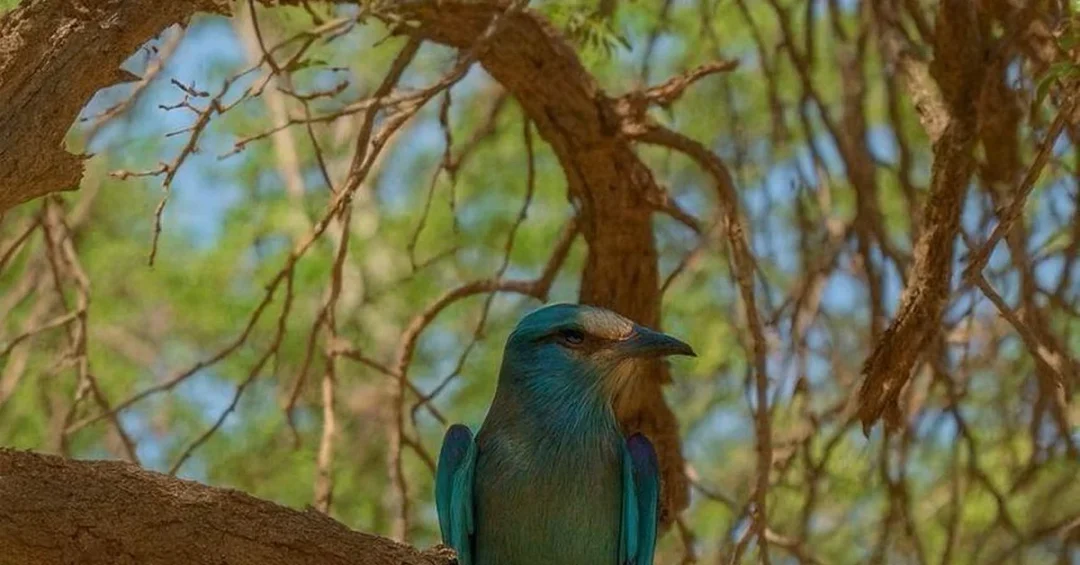
The Northern Borders Region is welcoming a diverse array of migratory birds this fall, as species such as the European roller and European turtle dove make temporary stops in its valleys, plains, and agricultural lands, according to the Saudi Press Agency (SPA). The annual migration, which began with the onset of the fall season, highlights the ecological significance of the region’s natural habitats and underscores Saudi Arabia’s commitment to preserving biodiversity.
Context and Background
The Northern Borders Region, located in the north of the Kingdom, serves as a vital waypoint for birds traveling along the Eurasian-African flyway. Each year, millions of birds migrate from breeding grounds in Europe, Western Asia, and North Africa to wintering sites in Africa, relying on stopover sites like those in the Northern Borders for rest and refueling. The region’s valleys, plains, and agricultural areas provide essential food sources and shelter during this arduous journey.
The Saudi Press Agency reported that among the observed species is the European roller (Coracias garrulus), known for its striking blue, turquoise, and brown plumage. These birds are typically seen perching on high branches and fences in open fields, scanning for prey. The European turtle dove (Streptopelia turtur), with its greyish-brown feathers and distinctive striped neck markings, is also passing through, gathering in agricultural areas and near water sources.
Key Details
The presence of these species highlights the Northern Borders Region’s rich biodiversity and the ecological importance of its natural habitats in supporting seasonal bird migration routes. The European roller, a member of the roller family, is a summer migrant that breeds in Europe and winters in Africa. Its vibrant colors make it a favorite among birdwatchers. The European turtle dove, a symbol of peace and love in many cultures, is a migratory bird that has seen population declines in Europe, making its appearance in Saudi Arabia a noteworthy event for conservationists.
According to SPA, the birds are en route from breeding grounds across Europe, Western Asia, and North Africa toward their African wintering sites. The Northern Borders Region offers a critical stopover, allowing the birds to rest and feed before continuing their journey. This natural phenomenon not only supports the birds’ survival but also enriches the region’s ecosystem.
Implications and Impact
The arrival of these migratory birds has implications beyond ecology. It positions the Northern Borders Region as a destination for nature enthusiasts and birdwatchers, potentially boosting eco-tourism in line with Saudi Arabia’s Vision 2030 goals to diversify the economy and promote sustainable tourism. The region’s natural beauty and wildlife could attract visitors, contributing to local economies and fostering environmental awareness.
Furthermore, the presence of these birds underscores the importance of conservation efforts. Saudi Arabia has been actively working to protect its natural habitats through initiatives such as the Saudi Green Initiative and the National Center for Wildlife. These efforts aim to preserve biodiversity, combat desertification, and promote sustainable development, aligning with global environmental goals.
Vision 2030 Alignment
The welcoming of migratory birds in the Northern Borders Region reflects Saudi Arabia’s broader commitment to environmental stewardship and sustainable development, key pillars of Vision 2030. By safeguarding these natural habitats, the Kingdom not only supports global biodiversity but also enhances its appeal as a destination for eco-tourism, contributing to economic diversification and the enrichment of quality of life for citizens and visitors alike. As the fall migration season progresses, the Northern Borders Region stands as a testament to Saudi Arabia’s role in preserving the planet’s natural heritage.
20 Questions
Q1. What is the main event described in the article?
A1. The Northern Borders Region is welcoming migratory birds during the fall season, with species like the European roller and European turtle dove making temporary stops in local valleys, plains, and agricultural lands.
Q2. Which species are specifically mentioned as observed in the region?
A2. The European roller (Coracias garrulus) and the European turtle dove (Streptopelia turtur) are the two species highlighted in the report from the Saudi Press Agency.
Q3. What makes the European roller distinctive?
A3. The European roller is recognized for its vivid blue, turquoise, and brown plumage. It is often seen perching on high branches and fences in open fields while scanning for prey.
Q4. How is the European turtle dove described?
A4. The European turtle dove is distinguished by its greyish-brown feathers and striped neck markings. It gathers in agricultural areas and near water sources during migration.
Q5. Where do these migratory birds come from and where are they going?
A5. They are en route from breeding grounds across Europe, Western Asia, and North Africa toward their African wintering sites, using the Northern Borders Region as a stopover.
Q6. Why is the Northern Borders Region important for these birds?
A6. The region’s valleys, plains, and agricultural lands provide essential resting and feeding stops for the birds during their long migration journey.
Q7. What does the presence of these birds indicate about the region?
A7. It highlights the Northern Borders Region’s biodiversity and the ecological importance of its natural habitats in supporting seasonal bird migration routes.
Q8. When does the fall migration season begin?
A8. The fall migration season begins with the onset of autumn, typically around September, as birds start their journey from breeding grounds to wintering areas.
Q9. How does this migration benefit the local ecosystem?
A9. Migratory birds contribute to the ecosystem by dispersing seeds, controlling insect populations, and serving as indicators of environmental health.
Q10. What is the Saudi Press Agency’s role in this report?
A10. The Saudi Press Agency (SPA) is the official news agency of Saudi Arabia that released the information about the migratory birds in the Northern Borders Region.
Q11. Are there any conservation efforts linked to this event?
A11. Yes, Saudi Arabia’s conservation efforts, such as the Saudi Green Initiative and the National Center for Wildlife, aim to protect habitats and biodiversity, supporting migratory birds.
Q12. How might this migration affect tourism in the region?
A12. The arrival of migratory birds could boost eco-tourism, attracting birdwatchers and nature enthusiasts, which aligns with Vision 2030’s tourism goals.
Q13. What is the significance of the European roller’s diet?
A13. The European roller feeds on insects and small vertebrates, helping to control pest populations in agricultural areas, which benefits local farming.
Q14. Why is the European turtle dove’s population of concern?
A14. The European turtle dove has experienced population declines in Europe due to habitat loss and hunting, making its presence in Saudi Arabia notable for conservationists.
Q15. How does this migration connect Saudi Arabia to global biodiversity?
A15. It shows Saudi Arabia’s role in the global flyway, linking ecosystems across continents and contributing to the preservation of migratory species.
Q16. What are the key habitats used by these birds in the Northern Borders Region?
A16. The birds use valleys, plains, and agricultural lands, which provide food and shelter during their migration.
Q17. What is the Eurasian-African flyway?
A17. The Eurasian-African flyway is a major migration route used by birds traveling between breeding grounds in Europe and Asia and wintering sites in Africa.
Q18. How does Vision 2030 support environmental conservation?
A18. Vision 2030 includes initiatives like the Saudi Green Initiative, which aims to plant 10 billion trees, reduce carbon emissions, and protect natural habitats.
Q19. What can visitors expect to see during this migration season?
A19. Visitors may observe European rollers perching on branches and turtle doves gathering near water sources, among other migratory bird species.
Q20. What is the broader significance of this event for Saudi Arabia?
A20. It demonstrates Saudi Arabia’s commitment to environmental stewardship and sustainable development, enhancing its global image and supporting biodiversity conservation.
Reader Feedback
We value your thoughts. Please share your feedback on this article.
Your feedback helps us improve our coverage.