


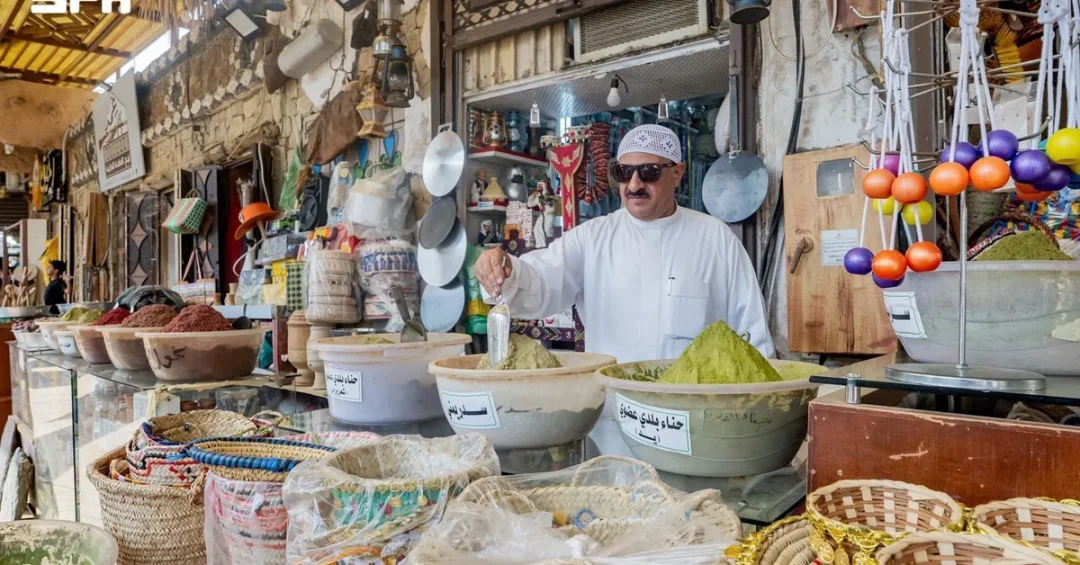
Al-Baha, Saudi Arabia — The historic Al-Sabt Market in Baljurashi Governorate continues to serve as a vital commercial and cultural landmark, preserving centuries of socioeconomic heritage while adapting to modern infrastructure standards, according to the Saudi Press Agency (SPA). The weekly Saturday Market, known locally as Al-Sabt, remains a cornerstone of Al-Baha’s commercial legacy, connecting local farmers, craftspeople, and families in a vibrant exchange that dates back generations.
Context and Background
Baljurashi has long been recognized as an inter-regional trade crossroads, benefiting from its strategic location along historic routes that linked the highlands of Al-Baha with markets across the Arabian Peninsula. The Al-Sabt Market convenes every Saturday, offering a diverse array of seasonal produce, grains, dates, honey, ghee, spices, and aromatic herbs, alongside traditional agricultural tools, palm-frond weaving, handicrafts, and regional cuisine. This weekly gathering not only sustains local livelihoods but also serves as a living museum of Al-Baha’s rich cultural heritage, attracting visitors and researchers interested in traditional commerce and craftsmanship.
Key Details
The market operates as a vital economic platform for small-scale producers and the cottage industry, enabling farmers and artisans to sell directly to consumers. Recent municipal development projects have upgraded walkways, open plazas, and building facades, enhancing visitor safety and urban aesthetics while strictly preserving the location’s distinctive architectural identity. These improvements reflect a balanced approach to modernization, ensuring that the market remains functional and attractive without compromising its historical character.
Beyond retail trade, the Al-Sabt Market functions as a community hub and tourist destination. It regularly hosts cultural festivities, folk arts, and regional performances during national holidays, further enriching the visitor experience and reinforcing social ties among residents. The market’s ability to adapt while retaining its authenticity exemplifies Saudi Arabia’s commitment to sustainable heritage development.
Implications and Impact
The continued vitality of the Al-Sabt Market has broader implications for regional tourism and economic diversification. By leveraging cultural assets to stimulate tourism, the market supports small-scale economic activities and ensures the continuity of traditional marketplaces as living embodiments of Al-Baha’s heritage. This aligns with national efforts to promote domestic tourism and showcase the Kingdom’s diverse cultural offerings to international audiences. The market also serves as a model for other historic sites seeking to balance preservation with modern infrastructure needs.
Vision 2030 Alignment
The development and promotion of the Al-Sabt Market are fully aligned with Saudi Vision 2030, which seeks to diversify the economy, empower small businesses, and celebrate the Kingdom’s cultural heritage. By transforming historic markets into sustainable tourist attractions and economic catalysts, Saudi Arabia is preserving its past while building a dynamic future. The Al-Sabt Market stands as a testament to the Kingdom’s ability to honor tradition while embracing progress, contributing to a vibrant society and a thriving economy.
20 Questions
Q1. What is the historic Al-Sabt Market?
A1. The Al-Sabt Market, also known as the Saturday Market, is a weekly commercial and cultural landmark in Baljurashi Governorate, Al-Baha, preserving centuries of socioeconomic heritage. It convenes every Saturday, offering a wide range of traditional goods and serving as a community hub.
Q2. Where is Baljurashi Governorate located?
A2. Baljurashi Governorate is situated in the Al-Baha region of southwestern Saudi Arabia. It is known for its mountainous terrain, mild climate, and rich cultural heritage, making it a popular destination for domestic tourism and a center for traditional crafts.
Q3. What types of goods are sold at the Al-Sabt Market?
A3. The market features seasonal produce, grains, dates, honey, ghee, spices, and aromatic herbs, along with traditional agricultural tools, palm-frond weaving, handicrafts, and regional cuisine. These offerings reflect the agricultural and artisanal traditions of the Al-Baha region.
Q4. How often does the Al-Sabt Market take place?
A4. The market convenes weekly on Saturdays, providing a regular opportunity for local farmers, craftspeople, and families to trade and interact. This weekly schedule has been maintained for generations, reinforcing its role as a consistent economic and social fixture.
Q5. What recent developments have occurred at the market?
A5. Recent municipal development projects have upgraded walkways, open plazas, and building facades. These improvements aim to enhance visitor safety and urban aesthetics while strictly preserving the market’s distinctive architectural identity, ensuring a better experience for all visitors.
Q6. How does the market support the local economy?
A6. The market serves as a vital economic platform for local farmers, craftspeople, and families working in the cottage industry. It enables direct sales, reduces middlemen, and helps sustain small-scale economic activities, contributing to local income and employment.
Q7. What cultural activities take place at the market?
A7. Beyond retail, the market hosts cultural festivities, folk arts, and regional performances during national holidays. These events celebrate Al-Baha’s heritage, attract tourists, and strengthen community bonds, making the market a dynamic cultural venue.
Q8. How does the market contribute to tourism in Al-Baha?
A8. The market acts as a tourist destination, drawing visitors interested in traditional commerce, crafts, and regional culture. Its authentic atmosphere and upgraded facilities make it an attractive stop for both domestic and international tourists exploring Saudi Arabia’s cultural riches.
Q9. What is the historical significance of Baljurashi as a trade crossroads?
A9. Baljurashi has historically served as an inter-regional trade crossroads, connecting highland communities with broader markets. Its strategic location facilitated the exchange of goods and ideas, laying the foundation for the Al-Sabt Market’s enduring role in regional commerce.
Q10. How do the development projects preserve the market’s identity?
A10. The projects carefully upgrade infrastructure while retaining the market’s distinctive architectural identity. This includes maintaining traditional building styles and layouts, ensuring that modernization does not erase the historical character that makes the market unique.
Q11. What role does the market play in the local community?
A11. The market functions as a community hub where residents gather not only to trade but also to socialize and celebrate. It fosters social cohesion, supports local traditions, and provides a sense of continuity and pride among the people of Baljurashi.
Q12. How does the market align with Saudi Vision 2030?
A12. The market’s development aligns with Vision 2030 by promoting economic diversification, empowering small businesses, and preserving cultural heritage. It contributes to tourism growth and showcases the Kingdom’s commitment to sustainable development and vibrant communities.
Q13. What are the benefits of upgrading the market’s infrastructure?
A13. Upgraded walkways, plazas, and facades improve safety, accessibility, and aesthetics, enhancing the visitor experience. These improvements also attract more tourists and shoppers, boosting sales for vendors and supporting the local economy.
Q14. How does the market support traditional crafts?
A14. By providing a venue for artisans to sell palm-frond weaving, handicrafts, and other traditional products, the market helps keep these crafts alive. It offers craftspeople a direct market and encourages younger generations to learn and value these skills.
Q15. What seasonal products are available at the market?
A15. The market offers a variety of seasonal produce, including fruits, vegetables, and grains, alongside year-round items like dates, honey, ghee, and spices. The selection reflects the agricultural bounty of the Al-Baha region and changes with the harvest seasons.
Q16. How does the market attract visitors from outside Al-Baha?
A16. The market’s reputation as a authentic cultural and commercial destination, combined with improved facilities and promotional efforts, draws visitors from across Saudi Arabia and abroad. Its unique atmosphere and diverse offerings make it a must-visit attraction.
Q17. What is the significance of the market’s name, Al-Sabt?
A17. Al-Sabt means Saturday in Arabic, indicating the day the market is held. The name reflects the weekly rhythm of the market, which has been a fixture of Baljurashi’s life for centuries, symbolizing continuity and tradition.
Q18. How do national holidays impact the market?
A18. During national holidays, the market hosts special cultural festivities, folk arts, and performances, attracting larger crowds. These events enhance the market’s role as a festive gathering place and showcase Saudi heritage to a wider audience.
Q19. What measures ensure the market’s sustainability?
A19. Sustainability is ensured through a balance of preservation and modernization, with municipal projects that respect the market’s heritage. Continuous support for local vendors and cultural activities also helps maintain its viability for future generations.
Q20. How can international visitors experience the Al-Sabt Market?
A20. International visitors can visit Baljurashi, especially on Saturdays, to explore the market’s stalls, interact with local vendors, and enjoy cultural performances. The improved infrastructure and hospitality make it an accessible and enriching destination within Saudi Arabia.
Reader Feedback
We value your thoughts. Please share your feedback on this article.
Your feedback helps us improve our coverage.