


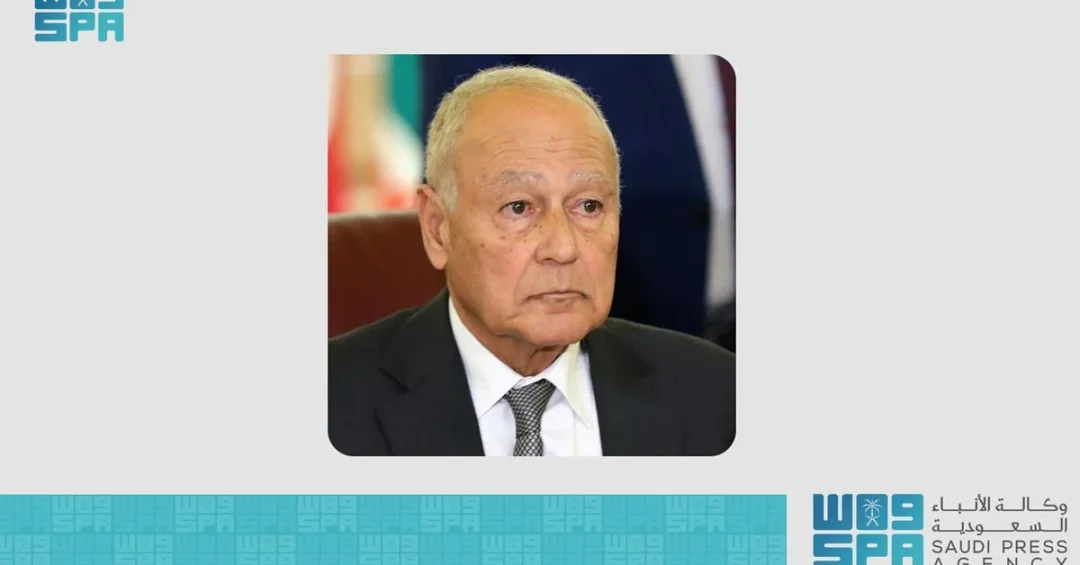
Secretary General of the Arab League Ahmed Aboul Gheit called for expanding the Arab-Japanese partnership into a future strategic alliance with tangible outcomes across multiple sectors, during his speech at the fifth Japan-Arab Economic Forum in Tokyo on July 11, 2024. The forum, held in the Japanese capital, brought together representatives from Arab nations and Japan to discuss avenues for enhancing economic cooperation and exploring new areas of collaboration. Aboul Gheit emphasized the importance of transforming the partnership into a comprehensive strategic alliance that delivers concrete results.
Context and Background
The Japan-Arab Economic Forum serves as a key platform for strengthening ties between Arab countries and Japan. It builds upon the memorandum of cooperation signed between the Arab League and the Japanese government in 2013, which established a comprehensive institutional framework for collaboration. Additionally, the launch of political dialogue in 2017 aimed to exchange views on international developments and crises, further solidifying the relationship.
Aboul Gheit highlighted that Japan remains a crucial partner for Arab countries, with bilateral trade increasing from $114 billion in 2022 to nearly $140 billion since the beginning of 2024. This growth underscores the deepening economic ties and the potential for further expansion.
Key Details
In his address, Aboul Gheit called for the expansion of partnership mechanisms to encompass new areas, including leveraging technology to address climate change, mitigating disaster risks, advancing smart transportation, promoting tourism, ensuring information security, advancing artificial intelligence, smart housing, and education. These areas present promising investment and cooperation opportunities between the two sides.
He reaffirmed the Arab League’s readiness to discuss and implement ideas and initiatives that enhance the role of this forum in collaboration with Arab organizations, specialized ministerial councils, and all Arab and Japanese partners. He expressed confidence that the forum will yield results, generate ideas, and propose initiatives that strengthen Arab-Japanese economic cooperation.
Implications and Impact
The call to expand the Arab-Japanese partnership comes at a time of evolving global economic dynamics. By focusing on technology, climate change, and innovation, both sides can address shared challenges and unlock new opportunities for growth. The increased trade volume between Arab countries and Japan reflects the mutual benefits of this collaboration.
For Saudi Arabia, this partnership aligns with its Vision 2030 objectives, which aim to diversify the economy, foster innovation, and enhance international cooperation. The Kingdom’s participation in such forums underscores its commitment to building strategic alliances that drive sustainable development and prosperity.
Vision 2030 Alignment
Saudi Arabia’s Vision 2030 emphasizes the importance of international partnerships and economic diversification. The Arab-Japanese collaboration, particularly in areas like technology, AI, and smart cities, complements the Kingdom’s efforts to transform into a knowledge-based economy. By strengthening ties with Japan, Saudi Arabia can leverage Japanese expertise and investment to accelerate its own development goals.
As the Arab League Secretary General’s call for a strategic alliance gains traction, Saudi Arabia is poised to play a pivotal role in shaping the future of Arab-Japanese relations, contributing to regional stability and global economic growth.
20 Questions
Q1. What event did the Secretary General of the Arab League attend?
A1. Ahmed Aboul Gheit attended the fifth Japan-Arab Economic Forum in Tokyo on July 11, 2024.
Q2. What did Aboul Gheit emphasize in his speech?
A2. He emphasized the importance of expanding the Arab-Japanese partnership into a future strategic alliance with tangible outcomes across various sectors.
Q3. What new areas did Aboul Gheit propose for collaboration?
A3. He proposed leveraging technology to address climate change, mitigating disaster risks, advancing smart transportation, promoting tourism, ensuring information security, advancing artificial intelligence, smart housing, and education.
Q4. When was the memorandum of cooperation between the Arab League and Japan signed?
A4. The memorandum of cooperation was signed in 2013, establishing a comprehensive institutional framework for collaboration.
Q5. What was the purpose of the political dialogue launched in 2017?
A5. The political dialogue aimed to exchange views on the latest international developments and crises.
Q6. How has bilateral trade between Arab countries and Japan changed?
A6. Bilateral trade increased from $114 billion in 2022 to nearly $140 billion since the beginning of 2024.
Q7. What did Aboul Gheit express confidence about?
A7. He expressed confidence that the forum will yield results, generate ideas, and propose initiatives that strengthen Arab-Japanese economic cooperation.
Q8. What is the significance of the Japan-Arab Economic Forum?
A8. It serves as a foundation for enhancing collaboration in various domains and building upon previous agreements.
Q9. How does this partnership align with Saudi Arabia’s Vision 2030?
A9. It aligns with Vision 2030 by promoting economic diversification, innovation, and international cooperation, which are key pillars of the Kingdom’s development strategy.
Q10. What role can Saudi Arabia play in this partnership?
A10. Saudi Arabia can play a pivotal role by leveraging its economic strength and strategic position to drive collaboration and investment in new sectors.
Q11. What are the potential benefits of Arab-Japanese collaboration in technology?
A11. Collaboration in technology can lead to advancements in AI, smart cities, and digital infrastructure, benefiting both regions economically.
Q12. How does the forum address climate change?
A12. The forum discusses leveraging technology to address climate change, including renewable energy and sustainable practices.
Q13. What is the expected outcome of the forum?
A13. The forum is expected to generate ideas and initiatives that strengthen economic cooperation between Arab countries and Japan.
Q14. Why is Japan considered a crucial partner for Arab countries?
A14. Japan is a crucial partner due to its technological expertise, investment capacity, and shared interests in economic development.
Q15. What sectors offer promising investment opportunities?
A15. Sectors such as technology, tourism, education, and smart housing offer promising investment opportunities.
Q16. How does the Arab League support this partnership?
A16. The Arab League supports the partnership by facilitating dialogue, coordinating with Arab organizations, and promoting initiatives.
Q17. What is the role of specialized ministerial councils?
A17. Specialized ministerial councils collaborate to implement ideas and initiatives that enhance the forum’s effectiveness.
Q18. How can smart transportation benefit both regions?
A18. Smart transportation can improve infrastructure, reduce congestion, and enhance connectivity, benefiting economic growth.
Q19. What does the increase in trade volume indicate?
A19. The increase indicates growing economic ties and mutual benefits from the partnership.
Q20. What is the future outlook for Arab-Japanese relations?
A20. The future outlook is positive, with potential for a strategic alliance that drives sustainable development and prosperity.
Reader Feedback
We value your thoughts. Please share your feedback on this article.
Your feedback helps us improve our coverage.