


Saudi ports supervised by the Saudi Ports Authority (Mawani) recorded a 9.16% increase in cargo tonnage in June 2024, handling 27,640,795 tons compared to 25,320,449 tons in June 2023, according to the Saudi Press Agency (SPA). The rise reflects the Kingdom’s ongoing efforts to strengthen its maritime logistics sector as part of Vision 2030.
Context and Background
The Saudi Ports Authority (Mawani) oversees a network of nine ports along the Red Sea and Arabian Gulf, serving as vital gateways for the Kingdom’s import and export activities. Under Vision 2030, Saudi Arabia aims to diversify its economy and establish itself as a global logistics hub connecting three continents. The maritime sector is a key pillar of this strategy, with Mawani implementing digital initiatives and infrastructure upgrades to boost efficiency and competitiveness. The June 2024 figures, released by SPA, demonstrate the sector’s resilience and growth trajectory.
Key Details
The increase in tonnage was driven by a notable rise in container handling. Exported containers grew by 7.78% to 228,031 containers, up from 211,568 in June 2023. Imported containers also climbed by 9.85% to 245,569 containers, compared to 223,547 in the same period last year. Total general cargo reached 584,906 tons, while solid bulk cargo amounted to 4,967,385 tons and liquid bulk cargo to 15,551,736 tons.
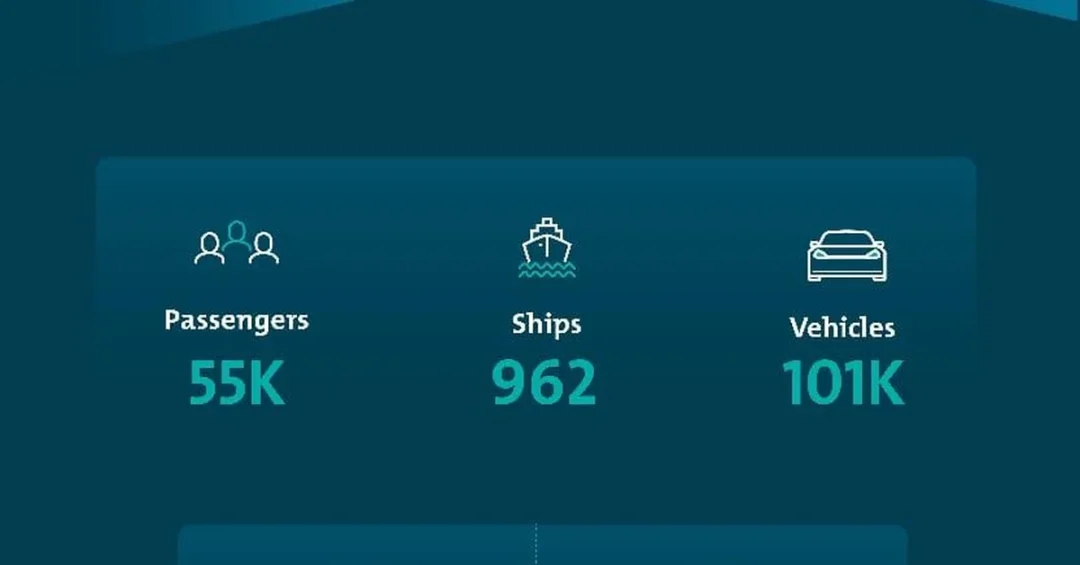
However, some segments experienced declines: total handled containers decreased by 15.51% to 594,972 containers, and transshipment containers fell by 54.89% to 121,372 containers. Livestock arrivals dropped by 8.51% to 1,821,863 heads. Maritime traffic saw 962 ships, a 3.41% decrease, and passenger numbers fell by 18.66% to 55,289. In contrast, vehicle handling surged by 33.93% to 101,146 vehicles, reflecting increased automotive trade.
Mawani also highlighted the launch of the Port Community System (PCS) under the unified logistics window (Logisti) in the first quarter of 2024. This system provides over 250 e-services, enhancing productivity and competitiveness in the maritime transport sector.
Implications and Impact
The overall growth in cargo tonnage underscores Saudi Arabia’s expanding role in global trade and logistics. The increase in container exports and imports signals robust commercial activity, supported by ongoing port modernization. The decline in transshipment containers may be attributed to shifting global shipping dynamics, but the rise in vehicle handling indicates growing demand in the automotive sector. These developments position Saudi ports as increasingly attractive to international shipping lines and investors.
Regionally, the Kingdom’s ports are becoming pivotal in facilitating trade between Asia, Europe, and Africa, aligning with the National Transport and Logistics Strategy. The PCS initiative, by digitizing port operations, reduces turnaround times and enhances transparency, further boosting Saudi Arabia’s competitiveness. This progress is expected to attract more foreign direct investment and create job opportunities in the logistics sector.
Vision 2030 Alignment
The achievements of Mawani directly support Vision 2030’s goal of transforming Saudi Arabia into a global logistics hub. By enhancing port infrastructure and embracing digital solutions like the PCS, the Kingdom is not only improving efficiency but also contributing to economic diversification and sustainable development. As Saudi Arabia continues to invest in its maritime sector, these efforts will play a crucial role in achieving the Vision’s objectives and reinforcing the Kingdom’s position as a leader in global trade.
20 Questions
Q1. What was the percentage increase in tonnage handled by Saudi ports in June 2024?
A1. Saudi ports handled 9.16% more tonnage in June 2024 compared to June 2023, reaching 27,640,795 tons, as reported by the Saudi Press Agency.
Q2. How many exported containers were handled in June 2024?
A2. Exported containers rose by 7.78% to 228,031 containers in June 2024, up from 211,568 containers in the same month of 2023.
Q3. What was the volume of imported containers in June 2024?
A3. Imported containers increased by 9.85% to 245,569 containers, compared to 223,547 containers in June 2023, indicating strong import activity.
Q4. What was the total general cargo handled?
A4. Total general cargo amounted to 584,906 tons in June 2024, contributing to the overall tonnage increase at Saudi ports.
Q5. How much solid bulk cargo was handled?
A5. Solid bulk cargo reached 4,967,385 tons, reflecting the ports’ capacity to manage diverse cargo types efficiently.
Q6. What was the volume of liquid bulk cargo?
A6. Liquid bulk cargo totaled 15,551,736 tons, underscoring the significant role of Saudi ports in handling liquid commodities.
Q7. How many livestock were received at Saudi ports in June 2024?
A7. The ports received 1,821,863 heads of livestock, an 8.51% decrease from 1,991,248 in June 2023, likely due to seasonal variations.
Q8. What was the total number of containers handled?
A8. The total number of handled containers was 594,972, a 15.51% decrease compared to 704,197 containers in June 2023.
Q9. How did transshipment containers perform in June 2024?
A9. Transshipment containers fell by 54.89% to 121,372 containers, down from 269,082 in June 2023, reflecting changes in global shipping patterns.
Q10. What was the number of ships that called at Saudi ports?
A10. Maritime traffic decreased by 3.41% to 962 ships in June 2024, compared to 996 ships in the same period of 2023.
Q11. How many passengers were recorded at Saudi ports?
A11. Passenger numbers decreased by 18.66% to 55,289, compared to 67,970 passengers in June 2023, possibly due to seasonal travel trends.
Q12. What was the increase in vehicle handling?
A12. Vehicle handling surged by 33.93% to 101,146 vehicles, up from 75,524 vehicles in June 2023, indicating robust automotive trade.
Q13. What is the Port Community System (PCS)?
A13. The PCS is a digital platform launched by Mawani under the unified logistics window (Logisti) in Q1 2024, offering over 250 e-services to streamline port operations.
Q14. How does the PCS contribute to the maritime sector?
A14. The PCS enhances competitiveness and productivity by digitizing processes, reducing turnaround times, and improving transparency in Saudi ports.
Q15. Which authority oversees Saudi ports?
A15. The Saudi Ports Authority (Mawani) supervises the Kingdom’s ports, driving modernization and efficiency in line with Vision 2030.
Q16. How does the tonnage increase align with Vision 2030?
A16. The increase supports Vision 2030’s goal to position Saudi Arabia as a global logistics hub, enhancing economic diversification and international trade connectivity.
Q17. What are the implications of the rise in vehicle handling?
A17. The 33.93% increase in vehicles reflects growing automotive trade and demand, boosting Saudi Arabia’s role in the regional automotive market.
Q18. Why did transshipment containers decline?
A18. The decline may be due to shifting global shipping routes and economic factors, but Saudi ports continue to attract significant cargo volumes.
Q19. What is the significance of the tonnage growth for Saudi Arabia’s economy?
A19. The growth signifies robust trade activity, supporting economic diversification, job creation, and the Kingdom’s emergence as a leading logistics hub.
Q20. What future developments can be expected for Saudi ports?
A20. Continued investment in digital solutions and infrastructure under Vision 2030 will further enhance port efficiency and capacity, driving future growth in maritime trade.
Reader Feedback
We value your thoughts. Please share your feedback on this article.
Your feedback helps us improve our coverage.