


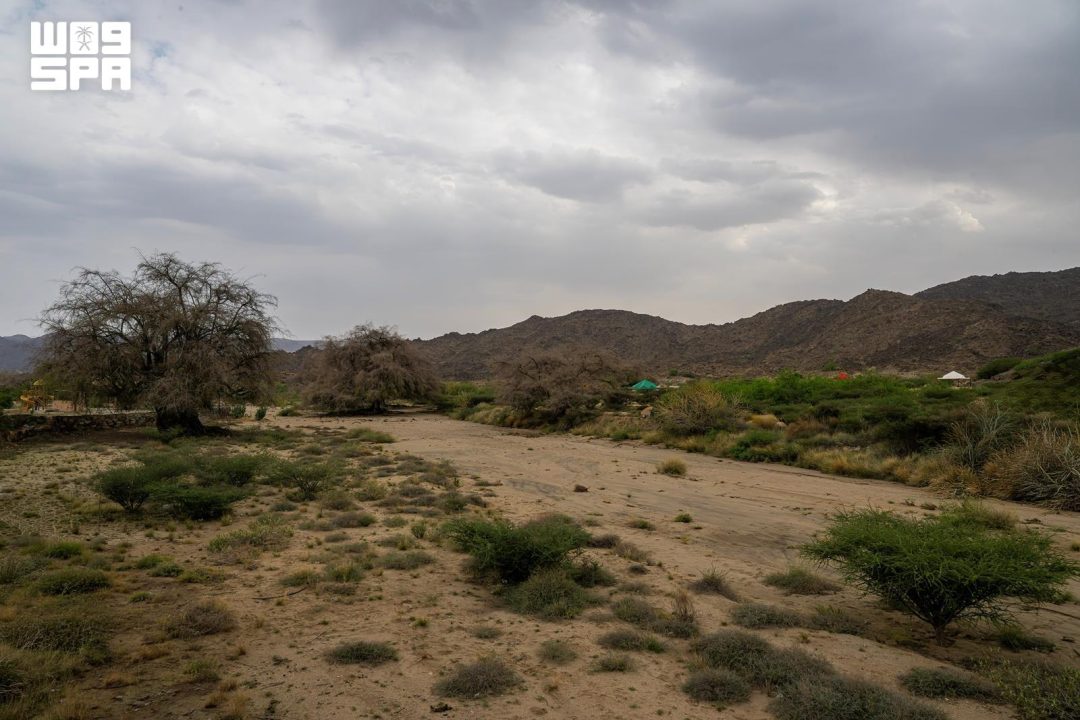
Badr Al-Janoub Governorate in Najran Region features extensive mountainous terrain and diverse vegetation that supports ecotourism and rural tourism. Visitors often visit during summer to experience moderate weather and scenic landscapes.
According to SPA, the governorate’s valleys and ravines contain large jujube, acacia, and tamarisk trees. These perennial and wild trees maintain ecological balance and provide forage for bees, attracting beekeepers who produce natural honey.
Municipal and environmental initiatives have recently planted more than 7,000 trees and plants across the governorate. These efforts aim to develop tourist destinations in various districts, increase vegetation cover, and improve quality of life.
The initiatives focus on environmental protection and sustainable tourism development to increase the tourism sector’s contribution to the national economy. The source did not specify the exact districts where the planting took place.
What natural features make Badr Al-Janoub a tourism destination? Badr Al-Janoub is characterized by extensive mountainous terrain where valleys and ravines blend with diverse vegetation. These landscapes flourish following summer rains, attracting hikers and nature enthusiasts who seek moderate weather and scenic natural views in the Najran Region.
Which tree species are found in the governorate and what is their impact? The valleys and ravines of Badr Al-Janoub are home to large tamarisk, acacia, and jujube trees. These wild and perennial species help maintain the ecological balance of the area and provide essential forage for bees, which allows beekeepers to produce high-quality natural honey.
What specific environmental initiatives have been implemented in Badr Al-Janoub? Municipal and environmental initiatives have recently planted more than 7,000 plants and trees throughout the governorate. These actions are designed to improve quality of life, enhance vegetation cover, and develop tourist destinations across various districts to support sustainable tourism.