


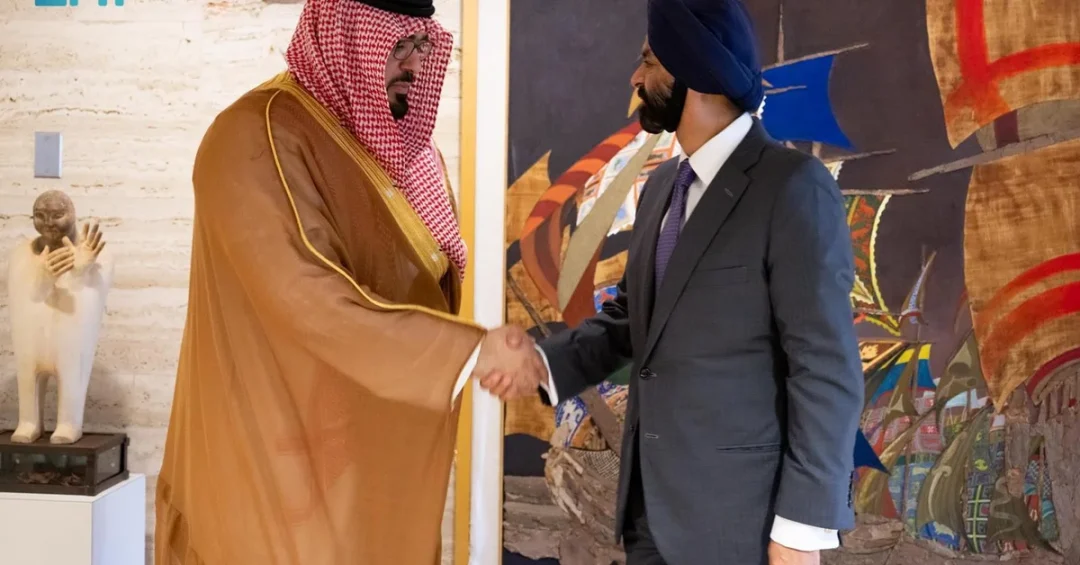
Saudi Minister of Economy and Planning Faisal Alibrahim met with World Bank Group President Ajay Banga in Washington on July 18, 2024, to discuss regional and global economic challenges and opportunities for enhanced cooperation between the Kingdom of Saudi Arabia and the World Bank. The high-level meeting underscored Saudi Arabia’s active engagement with international financial institutions to promote sustainable development and economic resilience, in line with the Kingdom’s Vision 2030.
Context and Background
The meeting took place amid ongoing global economic uncertainties, including inflationary pressures, supply chain disruptions, and geopolitical tensions. As the world’s largest multilateral development institution, the World Bank plays a critical role in addressing these challenges. Saudi Arabia, as a key global energy producer and a member of the G20, has increasingly sought to deepen its partnerships with international organizations to foster economic stability and inclusive growth. Minister Alibrahim was joined by Vice Minister of Economy and Planning Ammar Nagadi, Deputy Minister for Policies and Economic Planning Rakan Alsheikh, CEO of the National Infrastructure Fund (INFRA) Esmail Alsallom, General Director of the Economic Research and Insights Department Yaser Faquih, and General Supervisor for International Organizations Hattan Saman. World Bank Group President Banga was accompanied by Managing Director for Operations Anna Bjerde and Vice President for the MENA region Ousmane Dione.
Key Details
During the meeting, both sides discussed regional and global economic challenges and opportunities to enhance cooperation between the Kingdom and the World Bank. The discussions focused on areas of mutual interest, including infrastructure development, economic diversification, and knowledge exchange. The presence of the CEO of the National Infrastructure Fund highlighted Saudi Arabia’s commitment to large-scale infrastructure projects that are central to Vision 2030. The World Bank’s expertise in financing and technical assistance could complement Saudi efforts to attract foreign investment and develop non-oil sectors. While specific agreements were not announced, the meeting signals a continued dialogue on how the World Bank can support Saudi Arabia’s economic transformation and how the Kingdom can contribute to global development initiatives.
Implications and Impact
This meeting reinforces Saudi Arabia’s role as a bridge between developed and developing economies. By engaging with the World Bank, the Kingdom demonstrates its commitment to multilateralism and its willingness to share its development experience with other nations. Enhanced cooperation could lead to joint projects in areas such as renewable energy, digital infrastructure, and human capital development. For the MENA region, such collaboration may help address pressing issues like youth unemployment and water scarcity. Furthermore, Saudi Arabia’s strategic partnerships with international institutions like the World Bank support its efforts to diversify its economy and reduce dependence on oil, a key goal of Vision 2030.
Vision 2030 Alignment
The meeting between Minister Alibrahim and President Banga directly supports Vision 2030, Saudi Arabia’s ambitious blueprint for economic and social transformation. Vision 2030 aims to diversify the economy, empower the private sector, and enhance the Kingdom’s global competitiveness. Collaboration with the World Bank can provide access to financing, technical expertise, and best practices that are essential for achieving these goals. As Saudi Arabia continues to implement mega-projects and reforms, partnerships with institutions like the World Bank will be vital in ensuring sustainable and inclusive growth. This engagement also aligns with the Kingdom’s aspirations to play a leading role in global economic governance and to contribute to the prosperity of the region and beyond.
20 Questions
Q1. Who met with World Bank Group President Ajay Banga?
A1. Saudi Minister of Economy and Planning Faisal Alibrahim met with World Bank Group President Ajay Banga on July 18, 2024, in Washington.
Q2. Where did the meeting take place?
A2. The meeting took place in Washington, D.C., as confirmed by the Saudi Press Agency.
Q3. What was the main purpose of the meeting?
A3. The meeting aimed to discuss regional and global economic challenges and opportunities to enhance cooperation between Saudi Arabia and the World Bank.
Q4. Who accompanied Minister Alibrahim?
A4. He was joined by Vice Minister Ammar Nagadi, Deputy Minister Rakan Alsheikh, INFRA CEO Esmail Alsallom, Yaser Faquih, and Hattan Saman.
Q5. Who accompanied World Bank President Banga?
A5. Banga was accompanied by Managing Director for Operations Anna Bjerde and Vice President for the MENA region Ousmane Dione.
Q6. What is INFRA?
A6. INFRA is the National Infrastructure Fund of Saudi Arabia, which supports infrastructure projects essential for economic diversification.
Q7. Why is cooperation with the World Bank important for Saudi Arabia?
A7. It provides access to financing, technical expertise, and global best practices that support Saudi Arabia’s economic diversification and Vision 2030 goals.
Q8. What are some regional economic challenges discussed?
A8. Challenges include inflationary pressures, supply chain disruptions, and geopolitical tensions affecting the MENA region and global economy.
Q9. How does this meeting align with Vision 2030?
A9. It supports Vision 2030 by fostering international partnerships that drive economic diversification, infrastructure development, and sustainable growth.
Q10. What role does Saudi Arabia play in the global economy?
A10. Saudi Arabia is a key energy producer, a G20 member, and an increasingly influential player in global economic governance and development.
Q11. What is the World Bank’s role in the MENA region?
A11. The World Bank provides financing, policy advice, and technical assistance to support development and economic stability in the MENA region.
Q12. Was any specific agreement signed during the meeting?
A12. No specific agreement was announced; the meeting focused on discussing cooperation and shared economic challenges.
Q13. How can the World Bank support Saudi infrastructure projects?
A13. Through financing, guarantees, and technical expertise, the World Bank can help de-risk and accelerate major infrastructure initiatives.
Q14. What is the significance of the National Infrastructure Fund?
A14. INFRA is crucial for funding large-scale projects that diversify the economy and create jobs, aligning with Vision 2030.
Q15. How does Saudi Arabia contribute to global development?
A15. Saudi Arabia provides development assistance, invests in global markets, and shares its expertise in energy and infrastructure with other nations.
Q16. What are the expected outcomes of this meeting?
A16. Enhanced dialogue and potential future collaboration on economic reforms, infrastructure, and knowledge exchange between Saudi Arabia and the World Bank.
Q17. Why is economic diversification important for Saudi Arabia?
A17. Diversification reduces dependence on oil revenues, creates sustainable jobs, and ensures long-term economic resilience as outlined in Vision 2030.
Q18. How does this meeting reflect Saudi Arabia’s foreign policy?
A18. It demonstrates Saudi Arabia’s commitment to multilateralism, international cooperation, and active engagement in global economic affairs.
Q19. What sectors could benefit from enhanced Saudi-World Bank cooperation?
A19. Renewable energy, digital infrastructure, human capital development, and small business support are key areas for potential collaboration.
Q20. What is the broader impact of this meeting on the region?
A20. It promotes economic stability, attracts investment, and fosters development, contributing to prosperity and stability in the MENA region.
Reader Feedback
We value your thoughts. Please share your feedback on this article.
Your feedback helps us improve our coverage.