


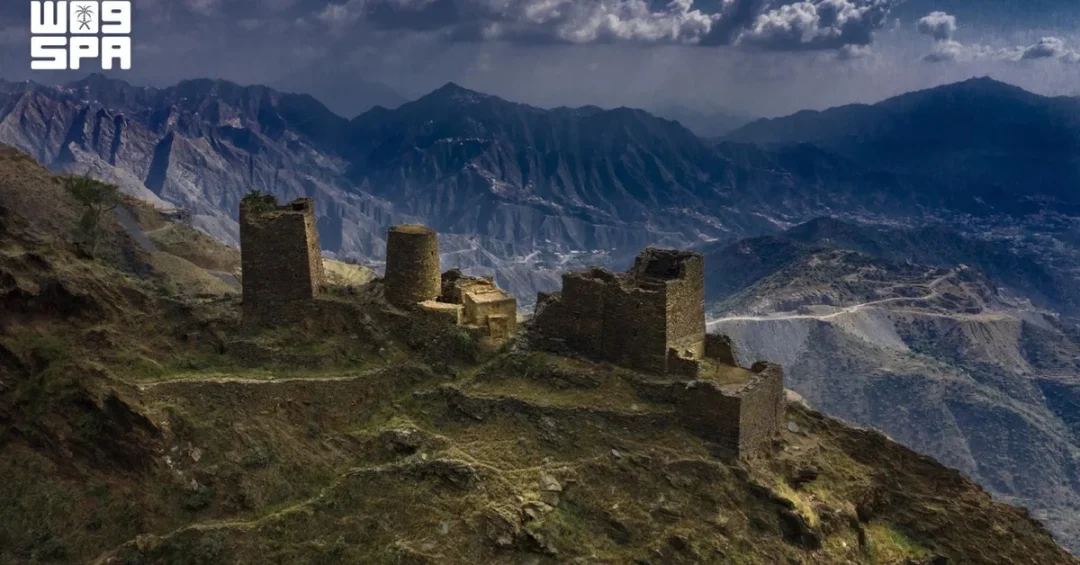
Jazan, September 19, 2026 — The Jazan Region is celebrating Saudi National Day by showcasing its rich cultural heritage, weaving together mountain terraces, coastal towns, vibrant markets, and offshore islands into a living testament to the Kingdom’s ongoing development journey, as reported by the Saudi Press Agency (SPA). This celebration underscores how Jazan’s unique cultural diversity reinforces national identity and contributes to Saudi Arabia’s broader progress under Vision 2030.
Context and Background
Jazan, located in the southwest of Saudi Arabia, is distinguished by its varied topography, which includes highland peaks, the Tihama plains, and the Red Sea archipelago. This environmental variety has directly influenced traditional architecture and daily life, from mountain stone dwellings and Tihama homes to the coral-stone and gypsum houses of the Farasan Islands. Notably, the historic village of Al-Qassar on the Farasan Islands preserves this architectural heritage with its dressed-stone buildings and ancient wells, offering a glimpse into the region’s storied past.
The region’s collective memory remains a living reality, woven into its landscapes and communities. As the Kingdom marks Saudi National Day, Jazan exemplifies how heritage preservation integrates with contemporary economic progress, actively linking traditional crafts, folk arts, local cuisine, and agricultural heritage with modern tourism, design, and infrastructure development. This approach unifies local diversity under a cohesive national identity, reflecting the Kingdom’s commitment to celebrating its cultural roots while advancing toward a prosperous future.
Key Details
At the heart of Jazan’s heritage revival is the Jazan Heritage Village, where traditional crafts such as pottery, palm-frond weaving, and textile making are kept alive. These crafts are showcased alongside representations of mountain, plain, and marine environments, transforming ancestral skills into viable cultural and economic assets. The village serves as a dynamic hub for cultural preservation and economic empowerment, attracting visitors and providing opportunities for local artisans.
In the highlands, ancient agricultural stone terraces illustrate sophisticated water management techniques developed over centuries. Saudi coffee farming has emerged as a prominent economic and cultural hallmark in this area. Along the coasts and islands, historic maritime trades, fishing traditions, and ancient maritime inscriptions reflect centuries of commerce and navigation across the Red Sea. These elements collectively highlight Jazan’s role as a crossroads of culture and trade.
The region’s cultural diversity is further celebrated through its vibrant markets, where local produce, handicrafts, and cuisine are traded, and through its folk arts that resonate with the rhythms of daily life. By integrating these elements into the national narrative, Jazan contributes to a unified Saudi identity that honors its past while embracing modernity.
Implications and Impact
Jazan’s focus on heritage preservation and cultural tourism has significant implications for regional development. By converting traditional skills into economic assets, the region creates jobs, supports local artisans, and stimulates entrepreneurship. This aligns with Vision 2030’s goals of diversifying the economy and empowering communities. Moreover, the emphasis on cultural heritage enhances Saudi Arabia’s appeal as a tourism destination, attracting international visitors interested in authentic experiences.
On a broader scale, Jazan’s model of integrating heritage with modern development serves as a blueprint for other regions in the Kingdom. It demonstrates how cultural memory can be a catalyst for economic growth and social cohesion, reinforcing national pride and identity. As Saudi Arabia continues to open up to the world, regions like Jazan play a vital role in showcasing the Kingdom’s rich cultural tapestry and its commitment to sustainable development.
Vision 2030 Alignment
Jazan’s celebration of Saudi National Day is a testament to the Kingdom’s Vision 2030, which seeks to preserve cultural heritage while fostering economic diversification and global engagement. By linking traditional crafts, agricultural heritage, and maritime history with modern tourism and infrastructure, Jazan embodies the vision’s core principles of a vibrant society and a thriving economy. As the Kingdom moves forward, Jazan’s cultural renaissance will continue to contribute to Saudi Arabia’s global role, demonstrating how heritage and progress can coexist harmoniously.
20 Questions
Q1. What is the significance of Jazan’s cultural diversity?
A1. Jazan’s cultural diversity, stemming from its varied topography, reinforces the Kingdom’s development journey by unifying local traditions under a cohesive national identity, as highlighted during Saudi National Day celebrations.
Q2. How does Jazan’s topography influence its architecture?
A2. The region’s highlands, plains, and islands have led to distinct architectural styles, including mountain stone dwellings, Tihama homes, and coral-stone houses on the Farasan Islands, reflecting adaptation to the environment.
Q3. What is the historic village of Al-Qassar known for?
A3. Al-Qassar, on the Farasan Islands, is known for its preserved coral-stone and gypsum architecture, including dressed-stone buildings and ancient wells, showcasing traditional craftsmanship.
Q4. What role does the Jazan Heritage Village play?
A4. The Jazan Heritage Village revives traditional crafts like pottery, palm-frond weaving, and textile making, converting ancestral skills into economic assets while representing mountain, plain, and marine environments.
Q5. How is Saudi coffee farming significant in Jazan?
A5. Saudi coffee farming in the highlands is a prominent economic and cultural hallmark, supported by ancient agricultural stone terraces that demonstrate sophisticated water management.
Q6. What maritime traditions exist in Jazan?
A6. Historic maritime trades, fishing traditions, and ancient maritime inscriptions reflect centuries of commerce and navigation across the Red Sea, highlighting Jazan’s role in regional trade.
Q7. How does Jazan integrate heritage with modern development?
A7. Jazan links traditional crafts, folk arts, local cuisine, and agricultural heritage with modern tourism, design, and infrastructure, unifying diversity under a cohesive national identity.
Q8. What economic benefits does heritage preservation bring to Jazan?
A8. Heritage preservation creates jobs, supports local artisans, and stimulates entrepreneurship, aligning with Vision 2030’s goals of economic diversification and community empowerment.
Q9. How does Jazan contribute to Saudi Arabia’s tourism goals?
A9. By offering authentic cultural experiences, Jazan enhances Saudi Arabia’s appeal as a tourism destination, attracting international visitors and supporting the Kingdom’s tourism objectives.
Q10. What is the significance of Saudi National Day for Jazan?
A10. Saudi National Day provides an opportunity for Jazan to showcase its cultural heritage and its role in the Kingdom’s development, reinforcing national pride and unity.
Q11. How do ancient terraces reflect water management?
A11. The ancient agricultural stone terraces illustrate sophisticated water management techniques developed over centuries, enabling sustainable farming in the highlands.
Q12. What types of crafts are revived in Jazan?
A12. Traditional crafts such as pottery, palm-frond weaving, and textile making are revived, preserving ancestral skills and contributing to the local economy.
Q13. How does Jazan’s heritage align with Vision 2030?
A13. Jazan’s heritage preservation aligns with Vision 2030 by promoting cultural tourism, economic diversification, and a vibrant society, while maintaining national identity.
Q14. What are the Farasan Islands known for?
A14. The Farasan Islands are known for their coral-stone architecture, historic maritime traditions, and ancient inscriptions, reflecting centuries of Red Sea commerce.
Q15. How does Jazan’s cultural heritage attract visitors?
A15. Jazan’s vibrant markets, folk arts, and heritage sites offer immersive cultural experiences, drawing tourists interested in authentic Saudi traditions and history.
Q16. What is the role of local cuisine in Jazan’s heritage?
A16. Local cuisine is an integral part of Jazan’s heritage, reflecting the region’s agricultural and maritime resources, and is showcased to visitors as a cultural asset.
Q17. How does Jazan preserve its maritime history?
A17. Jazan preserves its maritime history through fishing traditions, historic trades, and ancient inscriptions, which are documented and celebrated in local heritage initiatives.
Q18. What economic opportunities arise from heritage tourism in Jazan?
A18. Heritage tourism in Jazan creates opportunities in hospitality, handicrafts, and guiding services, supporting local businesses and contributing to the region’s economy.
Q19. How does Jazan’s development serve as a model for other regions?
A19. Jazan’s integration of heritage with modern development serves as a blueprint, demonstrating how cultural preservation can drive economic growth and social cohesion across the Kingdom.
Q20. What future prospects does Jazan hold under Vision 2030?
A20. Under Vision 2030, Jazan is poised to further develop its cultural tourism and heritage industries, contributing to Saudi Arabia’s global role and sustainable prosperity.
Reader Feedback
We value your thoughts. Please share your feedback on this article.
Your feedback helps us improve our coverage.