


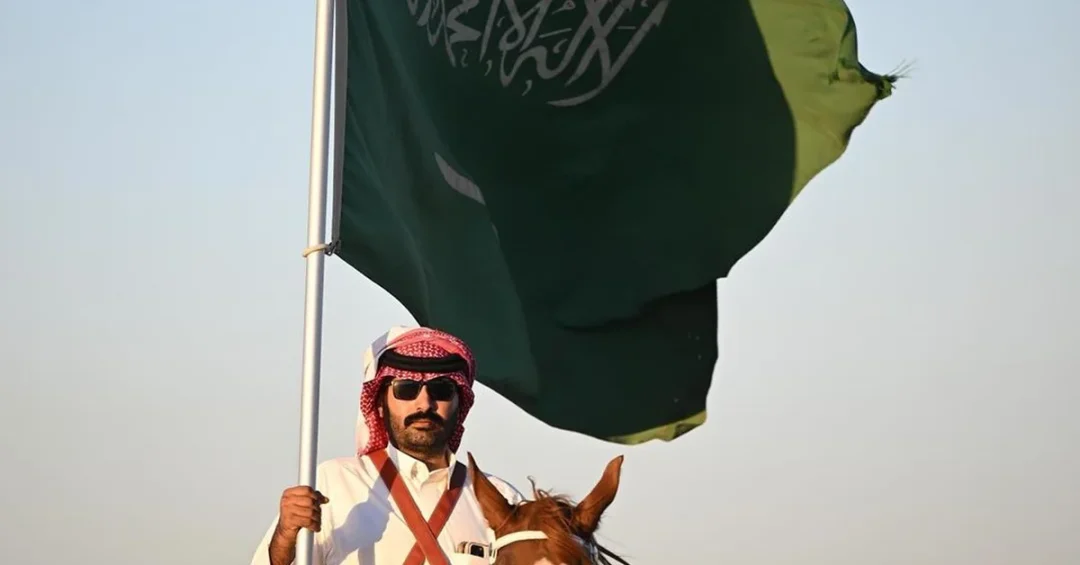
The Saudi Arabian Society of Culture and Arts in Tabuk Region organized a vibrant community event yesterday to mark Saudi National Day, drawing widespread participation from residents and visitors. The celebration, held in Tabuk, featured a diverse program of cultural and artistic segments that highlighted the nation’s rich heritage and unity. According to the Saudi Press Agency (SPA), the festivities included a keynote address on national pride, poetry recitations by local poets, traditional folk arts performances, and an equestrian show that blended horsemanship with heritage displays.
Context and Background
Saudi National Day, observed annually on September 23, commemorates the unification of the Kingdom of Saudi Arabia in 1932 by the late King Abdulaziz Al Saud. It is a time for citizens to reflect on the nation’s journey and celebrate its achievements. The event in Tabuk is part of a nationwide series of celebrations organized by local cultural and arts societies, which operate under the auspices of the Ministry of Culture. These societies play a vital role in preserving and promoting Saudi Arabia’s cultural heritage, in line with the goals of Saudi Vision 2030 to enrich cultural life and foster national identity. The Tabuk Region, known for its historical significance and natural beauty, has been increasingly active in hosting cultural events that attract both locals and tourists.
Key Details
The event in Tabuk showcased a variety of activities designed to engage the community and celebrate Saudi heritage. A keynote address emphasized the importance of national pride and the values of unity and progress. Local poets recited verses that celebrated the Kingdom’s history and achievements, resonating with the audience. Traditional folk arts performances, including the Ardah dance, displayed the vibrant cultural traditions of the region. An equestrian show highlighted the deep-rooted connection between horsemanship and Saudi heritage, with skilled riders performing maneuvers that captivated the crowd. The event was attended by a diverse group of residents and visitors, reflecting the inclusive spirit of Saudi society. Such gatherings not only entertain but also educate younger generations about their cultural roots.
Implications and Impact
The successful organization of this event underscores the Kingdom’s commitment to cultural enrichment and community engagement. It provides a platform for local artists and performers to showcase their talents, thereby supporting the growth of the cultural sector. Moreover, events like these contribute to the diversification of the economy by promoting cultural tourism, a key pillar of Vision 2030. By celebrating national day in such a manner, Saudi Arabia reinforces its image as a nation that values its heritage while embracing modernity. The participation of visitors also highlights the increasing openness of the Kingdom to the world, as it welcomes tourists to experience its traditions firsthand. This aligns with the broader efforts to enhance the quality of life for citizens and residents alike.
Vision 2030 Alignment
This celebration in Tabuk directly supports Saudi Vision 2030, which aims to build a vibrant society with strong cultural foundations. By fostering cultural activities and community participation, the event contributes to the vision’s objectives of promoting national identity, enhancing social cohesion, and developing the cultural and entertainment sectors. As Saudi Arabia continues to advance under the leadership of the Custodian of the Two Holy Mosques, King Salman bin Abdulaziz Al Saud, and His Royal Highness Crown Prince Mohammed bin Salman, such grassroots initiatives exemplify the Kingdom’s progress toward a prosperous and culturally rich future. The event also reflects the vision’s emphasis on empowering regions and engaging youth, ensuring that all parts of the Kingdom benefit from and contribute to national development.
20 Questions
Q1. What event was organized in Tabuk to mark Saudi National Day?
A1. The Saudi Arabian Society of Culture and Arts in Tabuk Region organized a community event to celebrate Saudi National Day, featuring cultural and artistic segments. It drew widespread participation from residents and visitors, showcasing national pride and heritage.
Q2. When did the event take place?
A2. The event took place yesterday, as reported by the Saudi Press Agency on September 19, 2026. It was part of the ongoing celebrations leading up to Saudi National Day on September 23.
Q3. What were some of the main activities at the event?
A3. The festivities included a keynote address on national pride, poetry recitations by local poets, traditional folk arts performances, and an equestrian show that blended horsemanship with heritage displays. These activities engaged the audience and celebrated Saudi culture.
Q4. Who participated in the event?
A4. The event drew widespread participation from residents and visitors in Tabuk. It was a community gathering that welcomed people from various backgrounds to join in the celebration of Saudi National Day.
Q5. What is the significance of Saudi National Day?
A5. Saudi National Day commemorates the unification of the Kingdom in 1932 by the late King Abdulaziz Al Saud. It is a day to reflect on the nation’s history and celebrate its achievements and progress under its leadership.
Q6. How does this event align with Saudi Vision 2030?
A6. The event aligns with Vision 2030 by promoting cultural enrichment, national identity, and community engagement. It supports the vision’s goals of building a vibrant society and enhancing the cultural sector, contributing to a diversified economy.
Q7. What role do cultural and arts societies play in Saudi Arabia?
A7. Cultural and arts societies preserve and promote Saudi heritage through events and activities. They operate under the Ministry of Culture and help foster national pride, in line with Vision 2030’s cultural objectives.
Q8. What is the significance of the equestrian show?
A8. The equestrian show highlighted the deep-rooted connection between horsemanship and Saudi heritage. It showcased traditional skills and captivated the audience, reflecting the Kingdom’s rich cultural traditions.
Q9. How does the event contribute to cultural tourism?
A9. By showcasing local culture and heritage, the event attracts visitors and promotes cultural tourism. This supports Vision 2030’s goal of diversifying the economy and enhancing the Kingdom’s appeal as a tourist destination.
Q10. What was the theme of the keynote address?
A10. The keynote address focused on national pride, emphasizing the importance of unity and the Kingdom’s achievements. It inspired attendees to appreciate Saudi Arabia’s journey and continued progress.
Q11. Who organized the event?
A11. The event was organized by the Saudi Arabian Society of Culture and Arts in Tabuk Region. This organization is dedicated to promoting cultural activities and heritage in the region.
Q12. What poetry was recited at the event?
A12. Local poets recited verses celebrating the Kingdom’s history and achievements. Their poetry resonated with the audience, adding a literary dimension to the national day celebrations.
Q13. What traditional folk arts were performed?
A13. Traditional folk arts performances included the Ardah dance and other heritage displays. These performances showcased the vibrant cultural traditions of the Tabuk Region and Saudi Arabia as a whole.
Q14. How does the event reflect Saudi Arabia’s openness to the world?
A14. The participation of visitors from various backgrounds highlights the Kingdom’s increasing openness and hospitality. It allows others to experience Saudi traditions firsthand, fostering cultural exchange and understanding.
Q15. What is the historical significance of Tabuk?
A15. Tabuk is a region with rich historical significance, including ancient trade routes and Islamic heritage. It has been increasingly active in hosting cultural events that attract tourists and locals alike.
Q16. How do such events benefit the local community?
A16. They provide a platform for local artists and performers to showcase their talents, fostering community pride and engagement. They also educate younger generations about their cultural roots and heritage.
Q17. What is the role of the Ministry of Culture in these events?
A17. The Ministry of Culture supports cultural and arts societies across the Kingdom, facilitating events that promote heritage and national identity. It plays a key role in achieving Vision 2030’s cultural goals.
Q18. How does the event promote national unity?
A18. By bringing together residents and visitors to celebrate shared heritage, the event fosters a sense of unity and national pride. It reinforces the values of togetherness and common purpose among all participants.
Q19. What other activities are part of Saudi National Day celebrations?
A19. Nationwide, celebrations include fireworks, air shows, cultural performances, and family activities. These events reflect the joy and pride of the nation, engaging citizens in festivities across all regions.
Q20. How does this event contribute to Vision 2030’s quality of life goals?
A20. By offering cultural and entertainment activities, the event enhances community well-being and social cohesion. It aligns with Vision 2030’s aim to improve quality of life and build a vibrant society.
Reader Feedback
We value your thoughts. Please share your feedback on this article.
Your feedback helps us improve our coverage.