


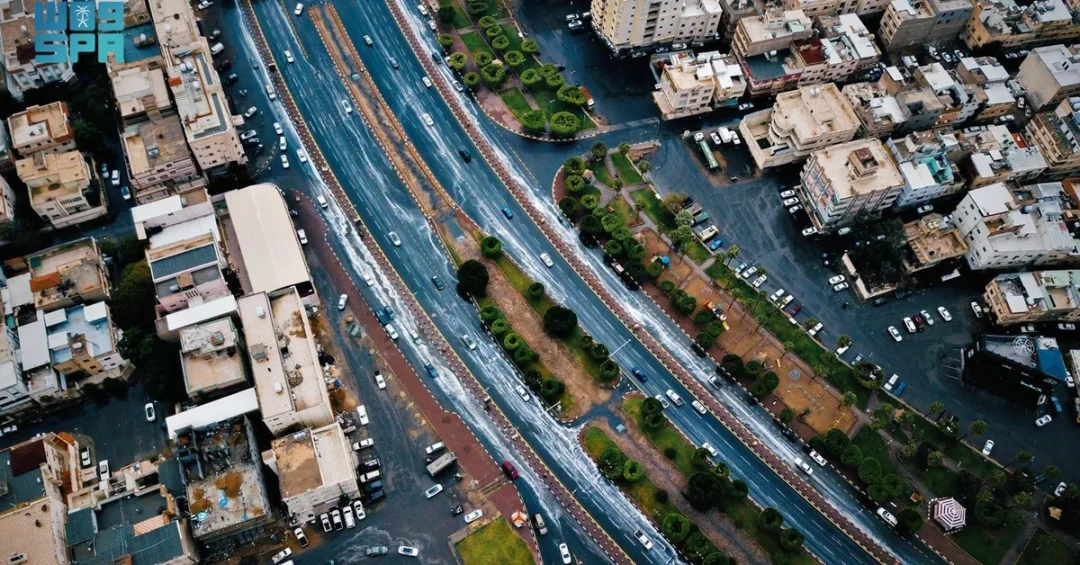
Wadi Wajj, a historic valley in Taif Governorate, has been highlighted by the Saudi Press Agency as a treasured water oasis that has shaped the region’s agriculture and heritage for centuries. Once a geographical divider splitting the city of Taif into two, the valley has evolved into a beloved destination celebrated for its lush gardens, vibrant orchards, and breathtaking panoramas. According to official Saudi information released via the Saudi Press Agency, Wadi Wajj’s abundant springs provide a constant water supply throughout the year, underscoring its enduring importance to the area.
Context and Background
Located in the highlands of western Saudi Arabia, Taif has long been known for its cooler climate and fertile lands. Wadi Wajj sits at the heart of this landscape, serving historically as a natural boundary that divided the city into two sections. Over time, it has transformed from a simple geographical feature into a thriving agricultural and tourism hub. The valley’s proximity to Makkah has given it additional significance, particularly for pilgrims and travelers passing through the region. Professor Saleh Al-Khalif, an expert in Islamic history and civilization, emphasized that Wadi Wajj’s historical importance is deeply intertwined with its role as a reliable water source in an otherwise arid environment. The region’s ancient irrigation systems, including hundreds of springs and wells, stand as a testament to innovative water management practices developed by earlier communities.
Key Details
The Saudi Press Agency has documented the valley’s numerous springs, which continue to irrigate farms and support the local economy. These water resources have been instrumental in fostering agriculture and infrastructure development in Taif. The valley’s enduring springs are not merely relics of the past; they remain active and vital, providing a consistent water supply that sustains orchards, gardens, and farmland throughout the year. This natural abundance has allowed Taif to maintain its reputation as one of the Kingdom’s most productive agricultural regions, known for grapes, pomegranates, and roses. The ancient irrigation systems, some of which are still in use, reflect a deep understanding of water conservation and distribution—a legacy that aligns with modern sustainability goals.
Implications and Impact
The continued vitality of Wadi Wajj has significant implications for tourism and local livelihoods. As a destination, it attracts visitors seeking natural beauty and a glimpse into Saudi Arabia’s rich history. The valley’s gardens and orchards offer a serene escape, while its historical water systems provide educational opportunities for those interested in traditional engineering and environmental stewardship. Regionally, Wadi Wajj reinforces Taif’s position as a key cultural and agricultural center. Internationally, it serves as an example of how ancient water management can inform contemporary practices. The Saudi Press Agency’s documentation of the valley’s springs highlights the Kingdom’s commitment to preserving its natural and historical treasures while promoting sustainable development.
Vision 2030 Alignment
Wadi Wajj’s preservation and promotion are closely aligned with Saudi Arabia’s Vision 2030, which seeks to diversify the economy, boost tourism, and enhance quality of life. By showcasing natural and historical sites like Wadi Wajj, the Kingdom aims to attract both domestic and international visitors, contributing to the growth of the tourism sector. The valley’s sustainable water practices also echo Vision 2030’s emphasis on environmental stewardship and resource efficiency. As Saudi Arabia continues to modernize, places like Wadi Wajj remind the world of its deep-rooted heritage and its ability to blend tradition with progress, reinforcing the Kingdom’s global role as a guardian of cultural and natural heritage.
20 Questions
Q1. What is Wadi Wajj?
A1. Wadi Wajj is a historic valley located in Taif Governorate, Saudi Arabia, known for its lush gardens, orchards, and ancient water springs. It was once a geographical divider splitting Taif into two and has become a popular tourist destination.
Q2. Where is Wadi Wajj located?
A2. Wadi Wajj is situated in Taif Governorate in western Saudi Arabia, a region renowned for its cooler climate and agricultural productivity. Its proximity to Makkah adds to its historical and cultural significance.
Q3. Why is Wadi Wajj historically significant?
A3. The valley has served as a vital water source for centuries, supporting agriculture and settlement. Its ancient irrigation systems, including hundreds of springs and wells, reflect innovative water management practices that have sustained the region.
Q4. Who is Professor Saleh Al-Khalif?
A4. Professor Saleh Al-Khalif is an expert in Islamic history and civilization who has highlighted Wadi Wajj’s historical importance. He emphasizes the valley’s role in agriculture and its proximity to Makkah.
Q5. How does Wadi Wajj contribute to Taif’s agriculture?
A5. The valley’s perennial springs provide a constant water supply, irrigating farms and orchards. This supports the cultivation of grapes, pomegranates, and roses, helping Taif maintain its reputation as a productive agricultural region.
Q6. What are the ancient irrigation systems in Wadi Wajj?
A6. The ancient irrigation systems consist of hundreds of springs and wells that have been used for centuries. They demonstrate early engineering techniques for water conservation and distribution, some of which are still in use today.
Q7. How has Wadi Wajj evolved over time?
A7. Originally a geographical divider splitting Taif into two, Wadi Wajj has transformed into a beloved tourist destination. It now attracts visitors with its natural beauty, gardens, and historical water systems.
Q8. What role does Wadi Wajj play in local tourism?
A8. Wadi Wajj is a key tourist attraction in Taif, offering scenic landscapes, lush gardens, and a glimpse into traditional water management. It draws both domestic and international visitors seeking natural and cultural experiences.
Q9. How does Wadi Wajj align with Vision 2030?
A9. Wadi Wajj supports Vision 2030 by promoting tourism, preserving heritage, and showcasing sustainable water practices. Its development contributes to economic diversification and enhances quality of life for residents and visitors.
Q10. What water sources exist in Wadi Wajj?
A10. Wadi Wajj is fed by numerous springs that provide a constant water supply throughout the year. These springs have been documented by the Saudi Press Agency and continue to irrigate farms and support the local economy.
Q11. Why is Wadi Wajj important to Taif’s economy?
A11. The valley’s water resources sustain agriculture, which is a key economic activity in Taif. It also attracts tourism, creating opportunities for local businesses and contributing to the region’s overall prosperity.
Q12. What is the historical relationship between Wadi Wajj and Makkah?
A12. Wadi Wajj’s proximity to Makkah has historically made it a significant stopover for pilgrims and travelers. Its water resources provided essential support for those journeying to the holy city.
Q13. How does the Saudi Press Agency document Wadi Wajj?
A13. The Saudi Press Agency has reported on Wadi Wajj’s abundant springs and their year-round water supply. Its documentation highlights the valley’s historical and ongoing importance to Taif.
Q14. What types of plants grow in Wadi Wajj?
A14. The valley is known for its vibrant orchards, including grapes, pomegranates, and roses. These crops thrive due to the reliable water supply and fertile soil, contributing to Taif’s agricultural heritage.
Q15. Can visitors explore Wadi Wajj?
A15. Yes, Wadi Wajj is a popular tourist destination. Visitors can enjoy its gardens, orchards, and panoramic views, as well as learn about its historical irrigation systems and natural springs.
Q16. What makes Wadi Wajj’s water management innovative?
A16. The ancient systems used gravity and channels to distribute water efficiently across farms. This early engineering allowed sustainable agriculture in an arid region, demonstrating advanced understanding of hydrology.
Q17. How does Wadi Wajj support Saudi Arabia’s tourism goals?
A17. By offering a unique blend of natural beauty and history, Wadi Wajj attracts visitors, helping Saudi Arabia diversify its tourism offerings beyond religious and urban destinations, in line with Vision 2030.
Q18. What is the climate like in Wadi Wajj?
A18. Taif, where Wadi Wajj is located, enjoys a milder climate compared to other parts of Saudi Arabia. This makes it favorable for agriculture and pleasant for visitors, especially during summer.
Q19. Are there any restoration efforts for Wadi Wajj’s water systems?
A19. While specific restoration projects are not detailed, Saudi authorities recognize the valley’s historical value. Ongoing preservation aligns with the Kingdom’s broader heritage conservation and sustainability efforts.
Q20. Why is Wadi Wajj considered a water oasis?
A20. Wadi Wajj is called a water oasis because its numerous springs provide a reliable water supply in an otherwise dry region. This abundance supports lush vegetation, agriculture, and human settlement.
Reader Feedback
We value your thoughts. Please share your feedback on this article.
Your feedback helps us improve our coverage.
Related articles
 Black Mountain Allures Visitors to Jazan
 Sphinx Mountain: Hail’s Archaeological Gem and Tourist Haven
 Historic Abu Arish Castle .. Tourist Attraction for History, Ancient Architecture Enthusiasts
 Minister Sponsors Training Contract for 500 Jobs at Red Sea Global
 Makkah Deputy Governor Chairs Meeting on Tourism Development
 Minister Al-Khateeb Discusses Tourism Investment Opportunities in Jeddah, Taif