


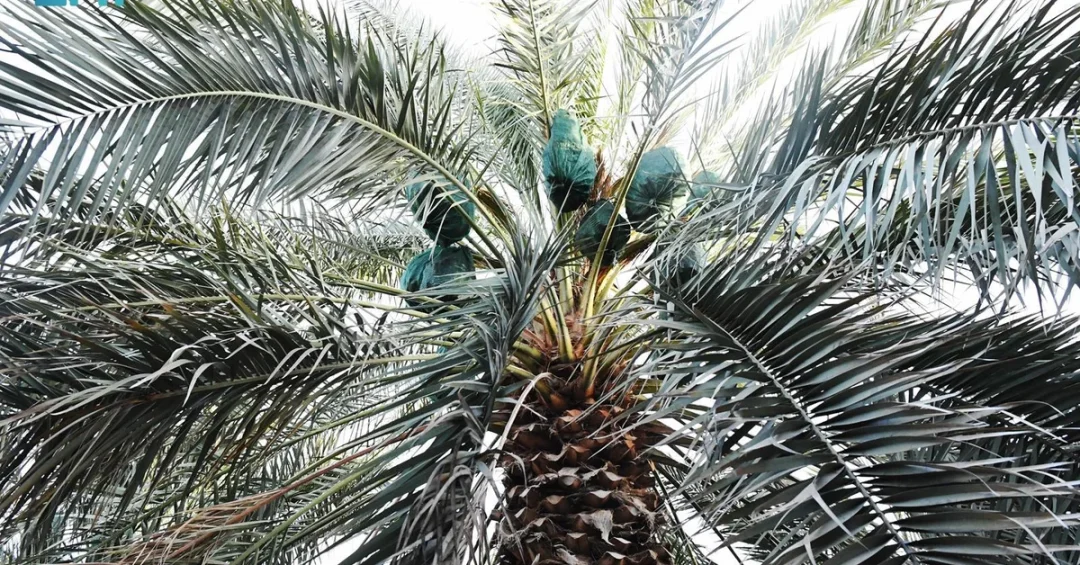
A traditional agricultural technique known as ‘bagging’ is being used by farmers in Madinah Province to protect palm trees and ensure high-quality date harvests, according to the Saudi Press Agency (SPA). This method, which involves covering palm branches, safeguards the fruits from weather conditions and pests while accelerating the ripening process.
Context and Background
Madinah Province is renowned for its palm cultivation, producing a variety of premium dates such as Ajwa, Safawi, Mejdoul, Anbara, and Segai. These dates hold significant cultural and economic value, and farmers employ meticulous care to ensure their maturity, protection, and accessibility for consumers. A key challenge is protecting crops from birds that feed on palm stems, as well as mitigating sunlight rays to prevent fruit pollution and premature falling.
Key Details
Bagging is a method where palm branches are covered to shield them from harsh weather and pests. This practice not only protects the fruits but also speeds up the ripening process. The bagging period lasts for more than 45 days, continuing until the fruits ripen and harvest begins. This technique reflects the ingenuity and dedication of local farmers in preserving their heritage and ensuring the quality of their produce.
Implications and Impact
The use of bagging supports the local agricultural economy by reducing crop losses and enhancing the quality of dates. It also contributes to food security and sustainability, aligning with national efforts to boost agricultural productivity. Furthermore, this method preserves the cultural heritage of date farming in Madinah, which is an integral part of the region’s identity and a draw for tourism.
Vision 2030 Alignment
Saudi Arabia’s Vision 2030 emphasizes economic diversification and sustainable development. Initiatives like bagging in date farming contribute to these goals by improving agricultural efficiency, supporting local farmers, and promoting high-quality Saudi products internationally. This aligns with the Kingdom’s broader strategy to enhance food security and celebrate its rich cultural heritage.
20 Questions
Q1. What is bagging in palm cultivation?
A1. Bagging is a technique where palm branches are covered to protect fruits from weather conditions and pests, and to accelerate the ripening process.
Q2. Which region in Saudi Arabia is known for palm cultivation?
A2. Madinah Province is renowned for its palm cultivation and produces various high-quality dates.
Q3. What are some types of dates grown in Madinah?
A3. Ajwa, Safawi, Mejdoul, Anbara, and Segai are among the premium date varieties cultivated in Madinah.
Q4. Why do farmers bag palm branches?
A4. Farmers bag palm branches to shield fruits from birds, sunlight, pests, and harsh weather, ensuring better quality and yield.
Q5. How long does the bagging process last?
A5. The bagging process continues for more than 45 days, until the fruits ripen and are ready for harvest.
Q6. What pests threaten date palm crops?
A6. Birds that feed on palm stems are a primary threat, along with other insects and environmental factors.
Q7. How does bagging help in ripening dates?
A7. Bagging creates a controlled environment that speeds up the ripening process and protects fruits from external damage.
Q8. Is bagging a traditional or modern method?
A8. Bagging is a traditional agricultural practice that has been used for generations to protect date crops.
Q9. What benefits does bagging offer to farmers?
A9. Bagging reduces crop losses, improves date quality, and increases market value, thus supporting farmers’ livelihoods.
Q10. How does bagging contribute to food security?
A10. By protecting crops and enhancing yields, bagging helps ensure a stable supply of dates, contributing to food security.
Q11. Are there any environmental benefits to bagging?
A11. Bagging reduces the need for chemical pesticides, promoting environmentally friendly farming practices.
Q12. Can bagging be used for other fruits?
A12. Yes, similar techniques are used for other fruits, but bagging is particularly suited for date palms.
Q13. How does bagging affect the taste of dates?
A13. Bagging protects dates from contaminants and allows them to ripen naturally, resulting in better taste and quality.
Q14. What materials are used for bagging?
A14. Farmers use breathable materials like cloth or specialized bags that allow air circulation while protecting the fruits.
Q15. Is bagging labor-intensive?
A15. Bagging requires manual labor to cover each branch, but it is a worthwhile investment for the quality of the harvest.
Q16. How does bagging align with Vision 2030?
A16. Bagging supports sustainable agriculture and economic diversification, key goals of Saudi Vision 2030.
Q17. What role does the Saudi Press Agency play in reporting this?
A17. The Saudi Press Agency (SPA) provides official news and updates on agricultural practices and other developments in the Kingdom.
Q18. Are there any government initiatives supporting date farmers?
A18. Yes, the Saudi government supports farmers through various programs aimed at enhancing agricultural productivity and sustainability.
Q19. How does date farming impact the local economy?
A19. Date farming provides employment, supports local businesses, and contributes to the region’s GDP through domestic sales and exports.
Q20. What is the significance of dates in Saudi culture?
A20. Dates are a symbol of hospitality and heritage in Saudi culture, often served to guests and cherished during religious occasions.
Reader Feedback
We value your thoughts. Please share your feedback on this article.
Your feedback helps us improve our coverage.